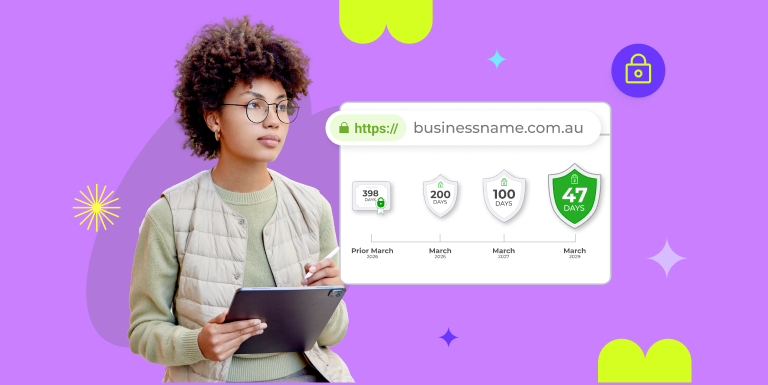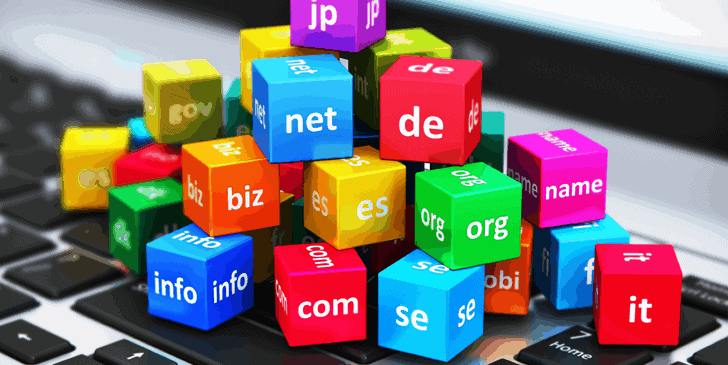
| A strong digital brand identity combines a memorable, legally protected domain with hosting that delivers speed, reliability, and security. Together, they shape first impressions, enhance search visibility, and reinforce trust across every online touchpoint. |
Your domain is the name customers remember; your hosting is the invisible infrastructure that decides whether they ever reach you. Together, they shape first impressions, search visibility, and trust. By the end of this guide, you’ll know how to choose a memorable domain, match hosting to growth stages, harden security, align design and UX, and monitor everything for continuous improvement.
1. Choose A Domain That Strengthens Your Digital Brand Identity
A strategic domain makes your brand easy to recall, legally defensible, and future-proof. Follow the mini-frameworks below before clicking “Register.”
Pick A Name That Supports Brand Clarity And Recall
A branded, pronounceable, and short name sticks far better than keyword stuffing or clever misspellings. Skip hyphens, numbers, and exotic characters that slow word-of-mouth. Where possible, secure the .com; if it’s taken, consider credible extensions like .co or .io that resonate with tech-savvy audiences.
Domain Architecture: Primary Domain Vs Subdomains Vs Subfolders
Use one root domain for core marketing pages. Reserve subdomains for developer documentation or campaign microsites, where separation helps improve UX without diluting core SEO.
When content supports the same buyer journey, such as blogs, features, and resources, keep them in subfolders to consolidate search authority.
| Also Read: Branding with Domains: How Your Web Address Reflects Your Business Identity |
Practical Checks Before Registering
Run a quick trademark search, verify that social handles are available, and register common misspellings to guard against typosquatting.
Brand And Vendor Mentions
Registrars offer alternative TLDs and country-code domains when you need a local presence or niche extensions, helpful for market-specific branding without fragmentation. Compare support, DNS tools, and renewal safeguards before making a decision.
2. Pick Hosting That Supports Brand Performance And Scale
Visitors judge speed subconsciously; uptime issues erode trust instantly. Align your hosting plan with traffic expectations, security needs, and team capability to protect brand equity.
Match Hosting Type To Business Stage
- Startups: budget-friendly, fully managed shared or cloud plans labelled “hosting for startups” keep maintenance light while delivering predictable resources.
- Growing SMEs or agencies: upgrade to VPS or cloud clusters for dedicated CPU, memory, and on-demand scaling.
- Digital agencies/developers: look for staging, SSH access, and Git integration to streamline continuous deployment.
Choosing scalable cloud hosting also unlocks elastic resources and global CDNs; explore detailed benefits here.
Core Hosting Requirements That Protect Brand Credibility
Insist on 99.9% or higher uptime SLAs, automated backups, one-click SSL, and data centres near your primary market to reduce latency and support local SEO. Reliable email hosting, ideally bundled, prevents deliverability hiccups that damage customer trust.
Operational Features To Request From Providers
Request staging environments, intuitive DNS dashboards, CDN integration, and straightforward upgrade paths. Compare bundled domain-plus-hosting packages from providers to consolidate billing and support while keeping future migrations straightforward.
3. Technical Setup: Secure, Fast, And Discoverable
Even the best domain and hosting plan can fail the brand test if security or speed stumbles. Lock in the essentials below.
Security And Trust Essentials
Activate HTTPS via TLS/SSL, enforce HSTS, and enable DNSSEC if your provider supports it—each step helps prevent common hijacking vectors. Apply timely CMS and plugin updates, and layer in a basic web application firewall (WAF) for extra peace of mind.
Performance And Availability
Select the closest server region to your primary audience, enable full-page caching, compress assets with GZIP, and serve media through a CDN. Faster loads, lower bounce rates, and a silent conveyance of professionalism.
Search And Indexing Hygiene
Maintain a clean robots.txt file, submit XML sitemaps, and set canonical tags to avoid duplicate content pitfalls. Register Google Search Console and Bing Webmaster Tools accounts to catch crawl errors early.
Email And Deliverability
Authenticate outgoing mail with SPF, DKIM, and DMARC records. Customers and spam filters alike favour messages from a verified domain.
4. Align Design, Content And UX With Your Digital Brand Identity
A cohesive brand is more than a logo; it’s the sum of every digital touchpoint. Sync visual assets, copy, and experience to reinforce recognition and trust.
Brand Assets And Placement
Standardise logo, colour palette, and typography across pages, email templates, and downloadable assets. Include branded descriptors in title tags, meta descriptions, and Open Graph tags to ensure social shares look intentional.
| Also Read: The Role of Logo Design in Building Brand Identity |
Content Architecture For Trust And Clarity
Open with a crystal-clear value proposition on the homepage, follow with intuitive navigation, and publish authoritative content that answers buyer questions. Trust pages, such as About, Privacy, and Support, signal transparency and bolster the online brand strategy.
Accessibility And Mobile-First UX
Responsive layouts, 16px minimum body text, and contrasting colours make the site usable for everyone and reinforce a polished brand image.
5. Monitor, Evolve And Scale Your Digital-First Brand Identity
A digital brand is never “done.” Continuous monitoring enables you to resolve issues before customers become aware of them and scale smoothly as demand increases.
Essential Monitoring And Reputation Checks
Deploy uptime monitors, performance alerts, and search-visibility trackers. Track brand mentions and reviews to identify sentiment shifts quickly.
Iteration And Scale Considerations
Schedule quarterly reviews of traffic trends and server resources; upgrade storage or bandwidth before peak usage arrives. Document who controls domains, DNS, and hosting credentials to avoid costly lockouts during staff changes.
Digital Brand Identity: Building Recognition and Trust
A digital brand identity is only as strong as the combination of your domain and hosting. Selecting a memorable, legally protected domain, pairing it with reliable and scalable hosting, implementing robust security, and aligning design and UX ensure both customer trust and search engine recognition.
Continuous monitoring and iteration amplify impact and future-proof your presence.
To protect your investment and simplify management, secure your domain with Crazy Domains today. Integrate it with a scalable hosting solution to maintain full control over your digital brand identity and support long-term growth.