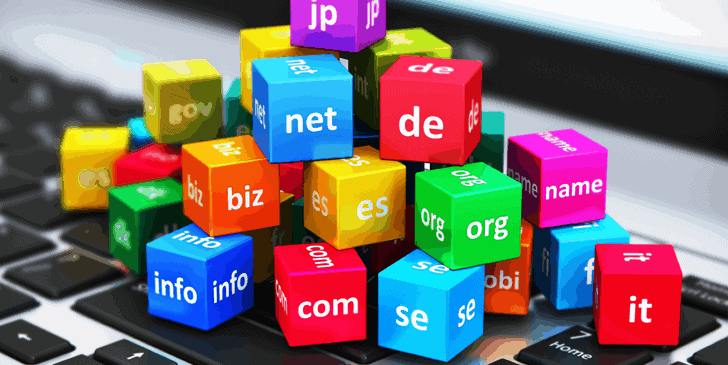
We often hear about companies buying other businesses for staggering amounts. That’s quite the norm in the corporate world. But what may surprise you is that a single domain name can also sell for millions.
In fact, premium domains have changed hands for eye-watering prices simply because the right buyer saw long-term value in owning that name. In 2014, Gannett’s buyout of cars.com included an accounting valuation of $872.3 million for the domain name alone; it’s one of the most notable domain-related acquisitions to date.
So how do you determine the value of a domain? It’s determined through a process called domain valuation, which estimates a domain name’s market value based on factors such as demand, brand potential, memorability, and marketability.
This guide will walk you through what makes a domain valuable and teach you how to check its value using tools and a practical, step-by-step process.
What is Domain Appraisal?
Domain appraisal, also known as domain valuation, is the process of estimating a domain name’s market value using specific criteria. It helps you understand what your domain is worth in today’s market. This estimate is based on factors that add value to the domain name: length, branding potential, memorability, search engine optimization (SEO), and more.
Why does this matter? If you are planning to sell a domain, an appraisal helps you set a realistic price. If you are buying one, it helps you avoid overpaying. And if you are holding a domain as an investment, it gives you clarity on whether to keep it, develop it, or list it for sale.
There is no single fixed formula for domain appraisal. Each domain is evaluated on its own merits, and its value can change depending on trends, buyer interest, and market timing.
Now, let’s look at what actually makes a domain name valuable.
What Makes a Domain Valuable?
As mentioned earlier, a few factors come together to determine a domain name’s price. This section explores them in detail. Understanding how these elements work together will help you assess your own domain more realistically and see it through the eyes of a potential buyer.
Top-level Domain (TLD)
You may have seen websites ending with .com, .net, .au, and more recently, .ai. These endings are known as top-level domains, or TLDs. A TLD is the last part of a domain name, the extension that comes after the dot, and it plays a role in how a domain is perceived and valued.
For instance, .com remains one of the most popular and desirable TLDs today. It is widely recognised, easy to remember, and often seen as more credible on a global scale. Because of this strong demand and familiarity, .com domains tend to command higher prices in the resale market.
That said, industry relevance and geographic focus also influence value. Extensions like .ai have gained popularity due to the surge in interest around artificial intelligence, making them attractive for tech startups and AI-focused businesses.
Similarly, if you’re targeting customers in Australia, a .au extension may carry more weight locally. For businesses focused on a specific country or niche, the right TLD can increase trust and relevance, thereby boosting the domain’s value.
Domain Length
Let’s admit it. Nobody likes remembering long names and addresses, and the same goes for domain names. Shorter domain names are generally more valuable because they are easier to recall, quicker to type, and less prone to spelling errors.
However, length alone is not everything. A strong domain is not just short, but also clear, memorable, and brandable. If someone hears it once, they should be able to type it correctly without any confusion. This is sometimes referred to as passing the “radio test.”
Short domains tend to have higher liquidity, meaning they are easier to sell because more buyers are interested in concise names. That said, being short does not automatically guarantee a high sale price. A short name without clear demand or branding potential may still struggle to attract serious buyers.
Relevant Keywords in Domain Name
A domain name’s value tends to go up if it contains relevant keywords or phrases that are closely associated with a business, product, or service. When a domain reflects terms that real users are actively searching for, it becomes more attractive to buyers operating in that space.
Keyword fit matters because it aligns the domain with search intent. For example, a domain that includes words tied to commercial intent, such as “hosting,” “insurance,” or “loans,” may appeal to businesses that know customers are ready to spend in that category. Informational keywords can also add value if they attract consistent search demand in a profitable niche.
That said, having relevant keywords does not automatically guarantee a higher sale price. The keywords must match real demand, be commercially viable, and make sense as a brand. A domain packed with keywords but lacking market interest may still struggle to attract buyers.
Traffic to the Domain Name
Why are properties on busy streets usually more expensive than those tucked away with little visibility? Because higher footfall often translates into greater commercial opportunity. The same principle applies to domain names. A domain that already attracts consistent web traffic is often more valuable because it brings built-in attention and potential customers.
However, not all digital traffic is equal. Buyers look for genuine, relevant visitors, not bots, spam traffic, or untargeted paid campaigns. Organic traffic from search engines or direct visits from interested users carries far more weight than inflated numbers. Steady, high-quality traffic can increase a domain’s value.
Domain Age
Domain appraisal also depends on domain age. Established and older domain names are often valued because they have had more time to build authority, backlinks, and user trust. In many cases, age acts as a proxy for history, signalling that the domain may already have some reputation and SEO strength attached to it.
That said, older is not automatically better. Age only adds value if the domain’s past has been clean and constructive. A history of spam, search engine penalties, or long periods of neglect can reduce its appeal and even hurt its market value.
In the bigger picture, age is a supporting factor rather than the main driver. A strong, relevant, and brandable younger domain can still be more valuable than an older domain with questionable history.
Branding Potential
The branding potential of a domain is another factor that impacts domain valuation. Apart from industry relevance, buyers look at how well a particular domain name can elevate brand presence and whether it can stand out in a competitive market.
A highly brandable domain is usually short, distinctive, easy to remember, and versatile enough to grow with a business. Even without exact-match keywords, highly brandable domain names can command premium prices because they have the potential to become synonymous with a product or company over time.
In many cases, businesses are willing to pay more for a domain that helps them build a strong identity.
Demand for the Domain Name
Domain valuation is closely tied to supply and demand. When more buyers are interested in a certain type of domain, its price tends to increase. Trends and market shifts can influence how desirable a domain becomes at a given time.
One practical way to measure demand is by looking at the performance of similar domain names. Check historical sales data to see what comparable domains have sold for, and review current marketplace listings to understand what buyers are actively bidding on. Platforms that publish these sets of data can give you a clearer picture of what people are actually paying, not just what sellers are asking.
By comparing your domain with similar names in the same niche, TLD, and length category, you can estimate whether demand is strong, moderate, or limited.
Backlinks Profile and History
A domain’s SEO performance and authority are influenced by its backlink profile and overall history. Backlinks, which are links from other websites pointing to your domain, signal credibility and relevance to search engines. For buyers, a strong backlink profile can mean faster ranking potential and less effort required to build visibility from scratch.
However, not all backlink histories add value. Positive history includes links from reputable, relevant websites, steady growth, and clean SEO practices. On the other hand, spammy links, link farms, penalties, or a history of misuse can reduce a domain’s appeal and even pose a risk to a future owner.
If you are assessing your own domain, run through a simple checklist:
- Are the backlinks coming from real, trustworthy websites?
- Has the domain been associated with spam or questionable content in the past?
- Does it show consistent authority metrics rather than sudden spikes?
A clean, credible history can increase value, while a toxic one can significantly reduce it.
Trademark and Legal Issues
It’s common knowledge that trademark infringements can lead to legal complications, so it is important to verify a domain’s legal status before purchasing it. A domain without legal complications is valuable for its long-term usability.
Why Legal Status Matters
Domains with clean legal histories are significantly more valuable because they offer:
- Brand safety: You can confidently build your website and promote your business without fear of legal disputes.
- Stronger resale potential: Buyers are unlikely to invest in domains with trademark conflicts or pending legal issues.
- Peace of mind: A legally secure domain reduces the risk of unexpected lawsuits, forced transfers, or financial losses.
What Tools Can be Used to Estimate Domain Value?
Domain appraisal tools offer a quick, data-backed way to estimate your domain’s value. They analyse measurable factors to generate an estimated valuation. While these values are useful as a starting point, they should be treated as benchmarks rather than final prices.
It is also wise to use more than one tool. Different platforms rely on different datasets and algorithms, so the figures can vary. Comparing results from multiple sources gives you a more balanced assessment of a domain’s price.
Here are the main types of tools you can use:
Automated Appraisal Tools
Automated appraisers generate instant estimates based on algorithms and historical data. They are helpful for quickly obtaining a baseline value.
Some commonly used options include:
- Estibot
- Domain Index
- HumbleWorth
- GoDaddy Domain Appraisals
These platforms assess keyword strength, comparable sales, traffic data, extension type, and other SEO signals. Keep in mind that they cannot fully account for brand potential or buyer motivation, which is why manual review still matters.
Market Data Sources
To understand what buyers are actually paying, look beyond automated scores and review real sales data. Historical and active marketplace listings provide valuable insight into demand and pricing trends.
You can explore:
- NameBio for historical domain sales data
- Flippa for active listings and completed sales
- Sedo for both marketplace listings and transaction data
By reviewing comparable domains in the same niche, extension, and length category, you can assess whether your valuation estimate aligns with real-world transaction prices.
Free Insight Tools
If you want to dig deeper into traffic and SEO signals, free analysis tools can provide additional clarity.
- WebsiteOutlook offers basic traffic and SEO metrics
- dotDB helps you see how widely a particular second-level domain string is registered across different TLDs, which can indicate demand and brand interest
Used together, these tools give you a clearer picture of where your domain stands. Start with automated appraisers for a quick estimate, validate with sales data, and then refine your price using traffic and SEO insights.
How to Manually Evaluate Your Domain Name Worth: A Step-by-step Guide
While appraisal tools provide quick estimates, combining those results with your own evaluation gives you a more reliable price range. You can manually estimate your domain’s value by analysing a few key factors. Manual analysis helps you understand the real strengths and risks behind your domain.
The steps below will help you turn those insights into a practical valuation you can use when pricing or negotiating:
- Start with the domain fundamentals
- Check keyword and market demand
- Review brandability
- Analyze SEO strength and history
- Look at age, traffic, and monetization
- Perform a quality and risk check
- Validate with comparable sales data
- Check live market listings and buyer signals
Step 1: Start With the Domain Fundamentals
Begin by looking at the basic characteristics of your domain. These fundamentals often determine whether a domain has strong market appeal before you even consider traffic, SEO, or comparable sales.
Start with the length and structure of the name. Shorter domains with fewer words are generally easier to remember, type, and share. Ideally, the name should also be easy to pronounce and spell. If someone hears it once and can type it correctly without asking for clarification, it passes what many investors call the “radio test.”
Next, consider the extension or TLD. Domains with widely recognised extensions such as .com usually carry stronger resale demand because they are trusted worldwide. That said, relevant country-code extensions like .au or niche TLDs such as .ai and .io can also be valuable when they align with a specific industry.
Finally, evaluate the clarity and memorability of the name itself. A domain that is simple, clear, and easy to recall tends to perform better in the marketplace. If the name feels confusing, overly long, or difficult to spell, buyers may see it as less attractive even before they analyse deeper factors.
Step 2: Check Keyword and Market Demand
Once you’ve reviewed the fundamentals, look at the keywords within the domain and whether they align with real market demand. A domain that contains terms people actively search for is generally more attractive to buyers because it already reflects an established interest.
Start by evaluating a few key signals:
- Search volume: Identify the main keyword or phrase in the domain and check its search volume using a keyword research tool. This helps you understand whether people are actually searching for that term or if it has very limited demand.
- Commercial intent: Consider whether the keyword is tied to products or services people are willing to pay for. Domains associated with marketable industries (technology, finance, or e-commerce) carry higher potential value.
- Industry relevance: Assess whether the niche is still active and growing. A domain linked to a stable or expanding market is more likely to retain value, while one tied to an outdated trend or an extremely narrow niche may have limited buyer interest.
Step 3: Review Brandability
A domain’s real value often depends on how easily it can become a brand. Buyers typically prefer names that are simple, distinctive, and easy to recognise. If a domain feels confusing or too generic, it may struggle to attract serious interest.
When reviewing brandability, look for a few key signals:
- Distinctive but simple wording: The name should stand out while still being easy to spell, pronounce, and remember.
- Positive or neutral connotation: Domains that carry clear and professional associations tend to be more appealing to businesses and audiences.
- Not overly generic: While descriptive terms can be useful, names that feel too broad may lack a strong identity.
It is also important to perform a quick check for potential trademark conflicts, especially in your main target markets. A domain that closely resembles an existing brand or registered trademark can lead to legal disputes and significantly reduce its resale value. Taking a moment to verify this early can save precious resources later.
Step 4: Analyze SEO Strength and History
Next, take a closer look at the domain’s SEO footprint. A domain with a strong search history can add real value, while one with a questionable past may pose a risk to the next owner.
Focus on these important signals:
- Backlink profile: Look for links from credible, relevant websites, and watch out for those from spammy directories or suspicious networks. High-quality backlinks suggest the domain has earned trust over time and may have an advantage when building search visibility.
- Domain authority metrics: Check indicators such as Domain Authority (DA), Domain Rating (DR), or similar scores from SEO tools. While these metrics are not perfect, they can act as a quick proxy for the domain’s potential to rank in search engines.
- Historical use of the domain: Use tools like WHOIS history and web archives to see how the domain was previously used. Look for signs of legitimate content and steady activity, and watch for red flags such as spam pages, link farms, or sudden drops in activity that could indicate misuse.
Taking time to review these signals can help you avoid overpaying for a domain with hidden SEO issues.
Step 5. Look at Age, Traffic, and Monetization
At this stage, determine whether the domain is simply a name or an existing digital asset with real activity behind it. Domains with a history of traffic, content, or revenue often justify higher valuations because they already demonstrate practical value.
When reviewing this factor, focus on the following signals:
- Registration age and usage history: Age alone does not guarantee value, but an older domain that has been actively used for legitimate content can carry stronger credibility and SEO signals.
- Existing traffic: Consistent traffic suggests ongoing interest in the domain. This type of engagement can make the domain more appealing to potential buyers.
- Monetization potential: If the domain already generates income, it can significantly increase its value. In many cases, buyers estimate value using a simple earnings multiplier, often based on several months to a few years of net profit, depending on how stable the revenue is.
These signals help you determine whether the domain is just a bare name or an asset with measurable performance.
Step 6: Perform a Quality and Risk Check
Before finalising your estimate, take a moment to evaluate the overall quality and potential risks associated with the domain. Even if the numbers look promising, certain issues in a domain’s reputation can significantly affect its market value.
Look for potential red flags such as:
- Past spam activity: Domains previously used for spam campaigns, link farms, or low-quality content may carry penalties or bad reputations.
- Trademark or legal concerns: A name that closely resembles an established brand could lead to disputes or limit resale opportunities.
- Technical problems: Issues such as prior blacklisting, email abuse history, or unresolved security concerns can erode buyer confidence.
At the same time, there may be positive signals that justify a higher valuation:
- Clean ownership history with no major disputes or misuse
- Strong brand perception that aligns well with a specific industry or audience
- Stable online presence, such as consistent traffic, good SEO signals, or prior legitimate use
By weighing both risks and quality signals, you can refine your valuation and decide whether the domain deserves a premium price or a more cautious estimate.
Step 7: Validate with Comparable Sales Data
After estimating your domain’s value using tools and manual analysis, it’s important to compare it with real-world sales. Looking at what similar domains have actually sold for helps you ground your estimate in market behaviour.
To do this, review completed domain sales and compare them with your own domain based on:
- Domain length and structure: Look for domains with a similar number of words or characters.
- Extension type: Compare domains with the same TLD, such as .com or .au, since extensions can significantly affect pricing.
- Industry or keyword relevance: Check domains in the same niche or containing similar keywords.
- Recent sale prices: Focus on completed transactions rather than listing prices, as asking prices do not always reflect what buyers actually pay.
Platforms that publish historical sales data can help you identify these patterns. Once you find comparable domains, you can adjust your valuation to reflect a realistic price range.
Step 8: Check Live Market Listings and Buyer Signals
The final step is to look at what is happening in the market right now. While historical sales data gives useful context, current listings and buyer activity can reveal how competitive your domain is in today’s marketplace.
Start by comparing your domain to similar domains currently listed for sale. Look at names with comparable keywords, length, and extensions to see how they are priced. This helps you understand the level of competition and whether your expected price fits within the current market range.
Next, pay attention to buyer signals and engagement. If similar domains are receiving offers or strong interest on marketplace platforms, it may indicate healthy demand in that niche. On the other hand, if listings remain unsold for long periods, it could suggest that prices are set too high or that demand is limited.
Refine your estimate and set a realistic price range by combining current listing data with historical sales and your manual assessment.
What to Do After Determining Your Domain Value
After you get a domain appraisal, the next step is deciding how to use that estimate. Your valuation gives you a starting point, but it is important to validate the number, compare it with market data, and think about your long-term goals for the domain.
Depending on the results, you may decide to sell the domain, develop it into a website, hold it as an investment, or park it while waiting for the right opportunity. If the domain has strong value, you should also make sure it is properly secured and protected.
The sections below outline the practical paths you can take after determining your domain’s value and how each option can influence its future potential.
Find a Domain
Start by searching for a domain name that fits your brand and appears free of legal issues. It is worth checking for obvious trademark conflicts or past disputes before moving forward, as these can limit how safely you can use the domain in the long run.
Next, use a domain search tool to check if the name is available. If it is free to register, you can purchase it directly from a domain registrar and secure it right away.
If the domain is already taken, you still have a couple of options. You can explore similar alternatives that match your brand or reach out to the current owner to negotiate a purchase if you are willing to pay a premium for the name you want.
Renew Your Domain
Purchasing a domain is an important step toward building your brand’s online presence, but keeping it active is just as critical. Domains must be renewed before they expire to maintain ownership. If a domain is not renewed on time, your website and email services can go offline, and the domain may eventually become available for someone else to register.
To avoid these risks, many domain owners choose auto-renewal. This feature automatically renews your domain before its expiration date, helping prevent accidental loss and keeping your website running without interruption.
Double-check Your Appraisal
A domain appraisal should be treated as a starting point rather than a final price. Automated tools can provide helpful estimates, but the actual value of a domain often depends on several factors that require closer review.
Start by comparing the appraisal result with your own manual assessment. Consider the domain’s length, keywords, extension, brandability, traffic, and history to see whether the estimated value reflects its overall strengths and weaknesses.
It’s also helpful to review comparable sales and current marketplace listings for similar domains. Looking at what buyers have recently paid, as well as what sellers are currently asking, can give you a clearer sense of whether the appraisal is realistic or too optimistic.
Finally, remember that different tools may produce different valuation figures. Instead of relying on a single number, compare results from multiple platforms and treat them as a range to guide your pricing decisions.
Decide Whether to Sell, Build, or Hold
Once you have a realistic estimate of your domain’s value, the next step is deciding how to use it. The right strategy often depends on the strength of the appraisal and your long-term goals for the domain.
If the valuation is higher than expected, it might be a good time to test the market. Listing the domain for sale or inviting offers can help you see whether buyers are willing to meet your price, especially if there is strong demand in that niche.
If the appraisal is solid but not exceptionally high, developing the domain could increase its value. Building a simple website, publishing content, or launching a small project on the domain can demonstrate real-world use and strengthen its appeal to future buyers.
If the appraisal comes back lower than expected or feels uncertain, holding the domain may be the better option. You can revisit your strategy later, refine your positioning, or allow the domain to expire if it no longer aligns with your plans.
Pick a Sales Route if You’re Ready to Sell
If you decide to sell your domain, the next step is choosing how you want to list it. Different sales routes offer varying levels of control, speed, and pricing flexibility, so the right option often depends on your goals and the value of the domain.
One option is to list your domain on auction or aftermarket platforms. In this setup, buyers place bids within a set timeframe, and the highest bidder wins the domain. Auctions work well when you expect multiple interested buyers and want the market to determine the final price.
Another route is using brokerage or “make an offer” listings. These allow buyers to submit offers for your domain and negotiate directly with you or through a professional broker. This approach is often used for higher-value domains where pricing may require discussion and flexibility.
You can also choose a buy-now premium listing, where you set a fixed price and allow buyers to purchase the domain immediately. This option is ideal for sellers who prefer a faster, more straightforward transaction with predictable pricing.
Develop or Park the Domain
If you’re not ready to sell your domain yet, you still have a couple of useful options. You can either develop the domain into a small project or park it until the right opportunity arises.
One approach is to develop the domain by creating a simple website, landing page, or content hub. Even a basic setup can demonstrate how the domain works in a real-world context. Over time, adding useful content and improving its SEO to attract traffic can make the domain more appealing.
Another option is to park your domain. Domain parking allows you to display a simple page, often with ads or a “for sale” message, while you decide what to do next. This setup can generate small passive income or capture interest from potential buyers who discover the domain.
Both approaches can help build momentum around your domain. In fact, developing or parking a domain can support later steps that increase its value, such as improving content, earning backlinks, strengthening SEO, or building an audience.
Protect Your Domain
Your domain is a valuable digital asset, so protecting it should be a priority. It’s very important to safeguard your domain from cyberattacks and other threats by enabling domain privacy protection and securing it with features such as SSL certificates and multi-factor authentication.
If a domain is compromised or hijacked, the consequences can be serious. It can lose its market value overnight, damage your brand’s reputation, and even lead to significant financial losses.
Taking proactive security measures helps protect your long-term investment and maintain business continuity. A well-protected domain also signals reliability to potential buyers, which can increase its attractiveness and resale value in the marketplace.
How to Increase Domain Value: Step-by-step Guide
You can increase a domain’s value by improving its brand potential, strengthening its SEO signals, and demonstrating real-world use. While some domains gain value naturally through demand and trends, many become more attractive to buyers when they show clear growth potential.
Building content, earning backlinks, and generating traffic can help justify a higher price. The steps below outline practical ways to increase your domain’s value over time:
- Build brand and clarity
- Create valuable content
- Build quality backlinks
- Improve SEO
- Monetize your domain
- Build an email list
Step 1: Build Brand and Clarity
One of the simplest ways to increase a domain’s value is to strengthen its brand potential. Buyers are often willing to pay more for domains that are clear, memorable, and easy to associate with a product or service.
Focus on improving the clarity and positioning of the domain. Make sure the name communicates a recognizable idea or theme that audiences can easily understand. Domains that are simple, distinctive, and easy to pronounce tend to attract more attention from potential buyers.
If possible, position the domain around a clear niche or identity. A name that feels purposeful and brand-ready often carries more perceived value than one that feels vague or generic.
Step 2: Create Valuable Content
Adding useful content to a domain can significantly increase its appeal. Even a basic website or landing page can demonstrate how the domain works in a real-world setting.
You might consider:
- Publishing informative blog posts related to the domain’s niche
- Creating guides, resources, or educational content
- Building a simple landing page that explains the domain’s concept or purpose
Content helps show buyers that the domain already has a foundation and growth potential. Over time, it can also attract visitors and strengthen SEO signals.
Step 3: Build Quality Backlinks
Backlinks remain an important signal of credibility and authority in search engines. When reputable websites link to your domain, it suggests that the site provides useful, trustworthy information.
Focus on earning high-quality backlinks rather than large quantities of low-value links. For example:
- Contribute guest posts on relevant industry websites
- Share valuable resources that others naturally reference
- Partner with related websites or communities
A strong backlink profile can increase your domain’s SEO potential and make it more attractive to buyers looking for an established digital asset.
Step 4: Improve SEO
Basic SEO can make a domain more valuable by improving its visibility and usability. A domain that already performs well in search results makes it easier for future owners to maintain or expand.
Some simple improvements include:
- Optimising page titles and meta descriptions
- Aligning content with relevant keywords
- Improving page speed and mobile-friendliness
- Organising pages clearly so visitors can navigate easily
These changes strengthen the domain’s SEO health and can increase both traffic and perceived value.
Step 5: Monetize your Domain
Domains that generate revenue are often valued higher than those that are simply registered names. Demonstrating earning potential shows buyers that the domain can support a real business or project.
Common monetisation methods include:
- Display advertising
- Affiliate marketing links
- Selling digital or physical products
- Offering services related to the domain’s niche
Even modest revenue can make a domain more appealing, as buyers often evaluate domains based on potential return on investment.
Step 6: Build an Email List
An engaged audience can be one of the most valuable assets tied to a domain. Building an email list allows you to maintain direct communication with visitors and potential customers.
You can begin by:
- Adding a newsletter signup form to your website
- Offering a helpful resource or free guide in exchange for email addresses
- Sending regular updates, tips, or content related to the domain’s niche
A growing email list demonstrates audience interest and provides future buyers with an established community to build on, further increasing the domain’s overall value.
What are Common Myths About Domain Valuation?
Several misconceptions surround domain valuation, leading to unrealistic expectations when buying, selling, or investing in domain names. While certain factors mentioned below can influence value, they do not guarantee a high sale price on their own.
Understanding the following common myths can help you evaluate domains more realistically and make better decisions in the marketplace.
Myth: Short Domains Always Equal High Value
Reality: Length alone does not guarantee a premium price. A two-letter domain like ZX.com might not attract strong demand if it lacks meaning or brand appeal. Meanwhile, a slightly longer name such as TechStartups.com or FreshGrocer.com could sell for more because it clearly represents a brand opportunity. What buyers usually care about is memorability, brandability, and market demand, not just the number of characters.
Myth: Having Keywords Guarantees a High Sale Price
Reality: Keywords can help a domain attract attention, especially when they match what people search for online. A domain like CheapFlights.com clearly connects to a popular travel search. However, keywords alone do not guarantee a high sale price. For instance, BestBlueCarDealsOnline.com might contain multiple keywords but might struggle to sell because it’s long, awkward, and difficult to brand.
Myth: One tool is Enough
Reality: Automated appraisal tools can produce very different estimates for the same domain. One tool might value a domain at $1,500, while another might estimate it at $4,000 based on different data sources and algorithms. This is why experienced investors rarely rely on a single appraisal score. Instead, they compare results across several tools and validate them using real sales data from domain marketplaces.
Myth: Traffic Always Increases Value (Not if Irrelevant or Low-quality)
Reality: Traffic can add value, but only if it is real and relevant. A domain receiving 5,000 monthly visitors from search engines in a specific niche may attract serious buyers. In contrast, a domain with 20,000 visits from bots, spam, or unrelated sources may offer little practical value.
Myth: Age Always Increases Value (Not if History is Toxic)
Reality: Older domains sometimes carry advantages, but age alone doesn’t make a domain valuable. A 15-year-old domain with no content, backlinks, or traffic may have little market appeal. Meanwhile, a newer domain that quickly builds strong branding, content, and backlinks can become more attractive to buyers in a short period of time. In most cases, age is only valuable when it comes with a clean history and real usage.
Make Your Next Move
By now, you should have a clearer understanding of what influences domain valuation and how different factors come together to determine your domain’s value. There isn’t a single formula that determines a domain’s value. Market demand, brand potential, traffic, and industry trends all play a role, which is why valuation often involves a mix of data, tools, and judgment.
If you’re ready to act on what you’ve learned, here are a few practical steps you can take next:
- Run an appraisal to get a baseline estimate: Use trusted domain appraisal tools such as GoDaddy’s appraisal tool or Dynadot’s domain appraisal service to get an initial valuation. This helps you understand the potential range your domain might fall into.
- Check comparable sales and current demand: Review historical sales data and active listings. Platforms like NameBio, Flippa, and Sedo allow you to see what similar domains have sold for and how the market currently values them.
- Set a realistic pricing range: Based on your research, define a pricing range rather than a single number. Leaving room for negotiation can make it easier to attract buyers and close a deal.
- Find your domain: If you’re still searching for the right name, start exploring available options with our Domain Name Search tool to secure a domain that fits your brand and goals.
- Protect your domain: Once you own a valuable domain, keep it secure with Domain Guard to help prevent unauthorized transfers, phishing attempts, and other potential threats.
Move from simply estimating a domain’s value to making confident decisions about buying, selling, or developing it.
Frequently Asked Questions
How is domain value calculated?
There is no single formula for calculating domain value. Instead, it is estimated by evaluating factors such as the domain’s length, keywords, extension, brand potential, traffic, backlink profile, and market demand.
How does a domain value go up?
A domain’s value can increase when it gains stronger branding potential, attracts consistent traffic, and builds a healthy SEO profile with quality backlinks. Developing content, improving search visibility, and choosing a relevant niche can also make a domain more attractive to buyers.
How much do domains usually sell for?
Typically, domains sell for anywhere from a few hundred dollars to millions of dollars, depending on industry relevance, demand, popularity, buyer interest, and traffic.
How can I sell my domain name fast and for maximum value?
To sell your domain quickly and at a strong price, start by estimating its value using appraisal tools and comparing similar domain sales. Then list the domain on trusted marketplaces or auctions and set a realistic price that reflects current demand. High-quality domains often attract buyers faster when they are clearly priced and easy to discover on major platforms.
Why should you check your domain’s worth?
Checking your domain’s worth helps you understand its potential value in the marketplace. It allows you to decide whether to sell it, develop it, or hold it as a long-term asset. Knowing its value also helps you price it more confidently if you choose to list it for sale.
How do you find the domain value?
You can estimate a domain’s value by using appraisal tools and reviewing factors such as its keywords, length, extension, traffic, and backlink profile. It also helps to compare similar domain sales and current marketplace listings to understand real market demand. Combining these insights can give you a more realistic valuation range.
How often should I check my domain’s worth?
There is no fixed rule, but reviewing your domain’s value at least once a year is a good starting point. It’s also worth checking when market trends shift, when your domain gains traffic, or when you plan to sell or develop it.
Are domain brokers worth it?
Domain brokers can be helpful when you are selling high-value domains or negotiating complex deals. They bring experience, industry connections, and negotiation skills that can help you reach serious buyers. For lower-value domains, however, listing them on domain marketplaces may be a simpler and more cost-effective option.
What is the domain calculator?
A domain calculator is a digital tool that allows potential buyers to determine the market value of a domain depending on factors including domain age, SEO health, online traffic, and sales.
How do I permanently buy a domain name?
No, domain names cannot be purchased permanently. Most domains can be registered for up to 10 years at a time, after which they must be renewed to maintain ownership. As long as you continue renewing the registration before it expires, you can keep the domain indefinitely.
How much does it cost to check a domain name’s value?
Many domain appraisal tools provide basic value estimates for free. However, real-time deep analysis or professional appraisals may cost anywhere from about $20 to $100 or more, depending on the service and the level of analysis provided.
Who legally owns a domain name?
The person or organization listed as the registrant in the domain registration records is considered the legal owner of the domain. This information is recorded by the domain registrar and maintained in domain registration databases. As long as the registrant keeps the domain registration active and renewed, they retain control and ownership of the domain name.