|
Operational fatigue drives a shift toward intent-led systems where automation reduces friction, accelerates action, reshapes control models and redefines how teams manage dynamic, distributed infrastructure at scale with confidence today. |
Ops teams are stretched thin. They juggle security patches, capacity spikes, and the growing complexity of AI workloads while wading through layers of click-heavy dashboards. The result is admin-panel fatigue: too many knobs, not enough time.
A new control plane is emerging. Instead of scrolling through endless tabs, you state an intent such as “roll out the updated model across EU nodes,” and an autonomous system plans, validates, and executes the change. This shift from manual clicks to intent-driven automation is at the heart of AI server management.
This guide shows how to decide if, when, and how to adopt AI-managed servers and automated hosting so they can ship faster with fewer on-call pages.
What Is an AI-Managed Server vs a Traditional Admin Panel?
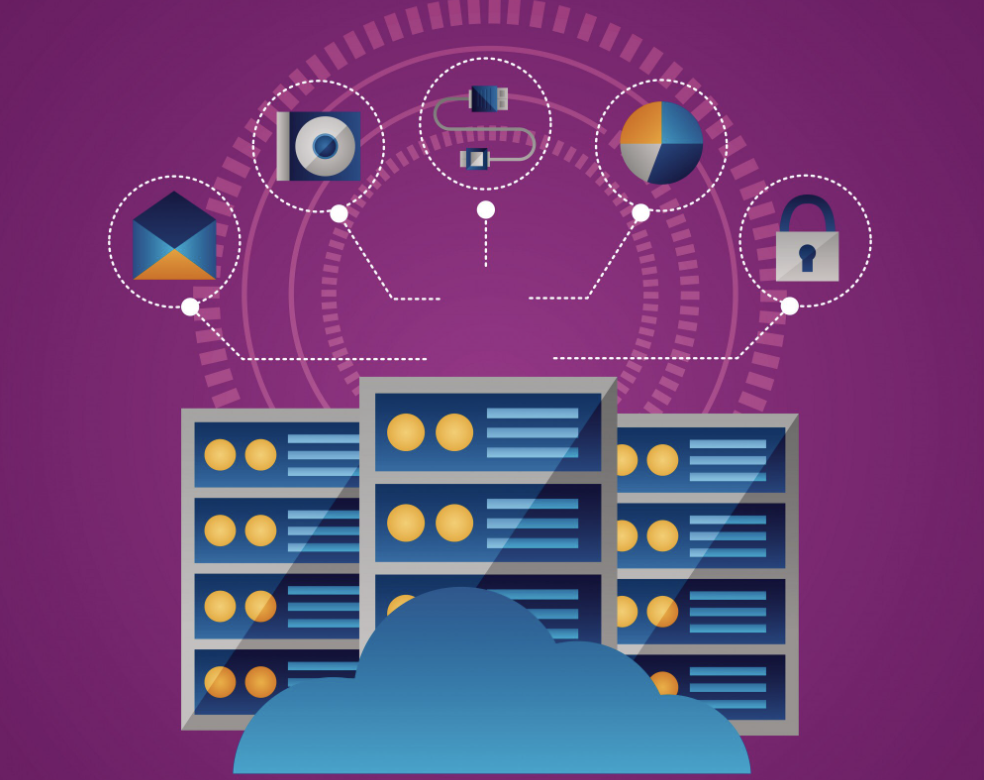
An AI-managed server is an infrastructure that uses machine learning for orchestration, predictive monitoring, and self-healing, exposing tasks through conversational or agent interfaces rather than static dashboards. Traditional admin panels rely on manual configs, ticket queues, and reactionary alerts, creating toil and slower recovery.
Key capabilities of AI-managed servers
- Policy-driven orchestration and hardware-aware placement that schedules GPUs, NPUs, and storage topology for each workload
- Predictive analytics and automated remediation runbooks with optional human approvals to cut repetitive fixes
- Conversational or agent interfaces accepting intent instead of clicks, reducing context switching for operators
- Hybrid-aware orchestration spanning cloud, edge, and bare-metal so policies stay consistent everywhere
The outcome is less toil, faster incident resolution, and smoother experiences for teams adopting AI server management and automated hosting.
Why AI-Managed Servers Are Poised to Replace Admin Panels
Each trend below maps directly to everyday operational pain, showing why autonomous control planes are overtaking conventional dashboards.
AI-Native Workload Requirements
AI models need accelerators, high-bandwidth networks, and data locality. Static panels cannot express dynamic placement rules for these resources, leading to unpredictable performance. AI-aware orchestration places models on the right hardware automatically, keeping utilisation and latency predictable .
Automation & AIOps Shift Roles
Predictive monitoring spots anomalies and launches runbooks before customers notice issues, dropping mean time to recovery and freeing engineers for strategic work. Guardrails such as tuneable thresholds and approval gates prevent runaway automation.
Conversational and Agentic Workflows
Natural-language interfaces let non-ops staff deploy content or restart services without digging through menus, democratising routine tasks while high-risk actions still demand explicit approvals and audit logs.
Hybrid Orchestration As a Prerequisite
Teams now blend cloud, edge, and on-prem to balance cost, data residency, and performance. AI-managed servers unify governance across these silos, shrinking the admin surface area.
| Also Read: How to Secure Your WP Admin Panel with SSL & IP Filtering |
Direct Benefits for the Target Personas
AI-managed servers translate into faster releases, tighter cost control, and stronger compliance while lifting the day-to-day burden of manual ops.
SMEs
Small teams gain enterprise-grade automation without extra headcount. They can push new site versions or AI features faster, starting with low-risk flows like automated patching and backups.
Digital Agencies
Multi-client templates and conversational deployments slash repetitive setup. Standardised blueprints speed onboarding and improve profit margins.
Established Enterprises
Hybrid governance keeps policies consistent across cloud, on-prem, and edge while audit-ready logs satisfy compliance teams.
Developers & Tech-Savvy Professionals
Programmatic APIs and agentic tooling remove infrastructure friction, letting coders focus on features instead of server chores.
Risks, Limitations, and Governance Best Practices
Automation cuts toil but also changes the trust model. Address these areas early to keep adoption smooth.
Trust, Explainability, and Auditability
Require human-readable decision logs, adjustable automation thresholds, and one-click rollbacks so teams can understand and override AI actions.
Security & Compliance Considerations
Integrate role-based access control, immutable audit trails, and policy-as-code. Encrypt in transit and at rest, and define controlled escalation paths.
Integration & Legacy Systems
Legacy consoles and bespoke hardware introduce telemetry gaps. Use adapters and phased rollouts, keeping critical actions human-approved until confidence grows .
How to Evaluate AI Server Management & Automated Hosting Solutions
Use the checklist below to score vendors against your goals.
- Core capabilities: accelerator-aware scheduling, predictive monitoring, automated runbooks, conversational agents
- Hybrid support: single policy engine for cloud, edge, and bare-metal
- Explainability: clear decision rationale and audit logs
- Safety & governance: RBAC, approval gates, rollbacks
- Integration maturity: APIs, telemetry adapters, and coexistence with current panels
- Cost model: watch for per-event pricing that undercuts automation savings
- Vendor fit: SME templates vs enterprise compliance depth
| Pro Tip: Prioritise platforms that pair explainability-first automation with robust hybrid orchestration. |
Practical Migration Roadmap
Gradual adoption builds trust and limits risk.
Phase 0 — Assess
Inventory workloads, flag AI-heavy endpoints, and document compliance requirements.
Phase 1 — Pilot
Automate safe flows like backups and health checks. Validate observability and audit logs.
Phase 2 — Expand
Add predictive maintenance, topology-aware scheduling for inference endpoints, and conversational deploys. Define runbooks with human-in-the-loop gates.
Phase 3 — Govern & Optimise
Harden security, formalise escalation, and measure ROI in reduced toil and faster releases. Keep rollback procedures current.
| Also Read: Using Backup Tools to Protect WordPress Sites on Australian Hosts |
Move to AI-Managed Servers Now
Adopt AI-managed servers when your stack includes AI workloads, hybrid footprints, or a lean ops team that cannot babysit dashboards. Wait, if your telemetry is immature or if strict manual controls dominate. Either way, insist on explainability, rollback, and hybrid orchestration as non-negotiables.
Crazy Domains offers reliable hosting, automated backups and scalable environments that support AI-ready workloads.
Try a guided AI-managed deployment template to see how many operational steps you can retire. Connect with us to know more.