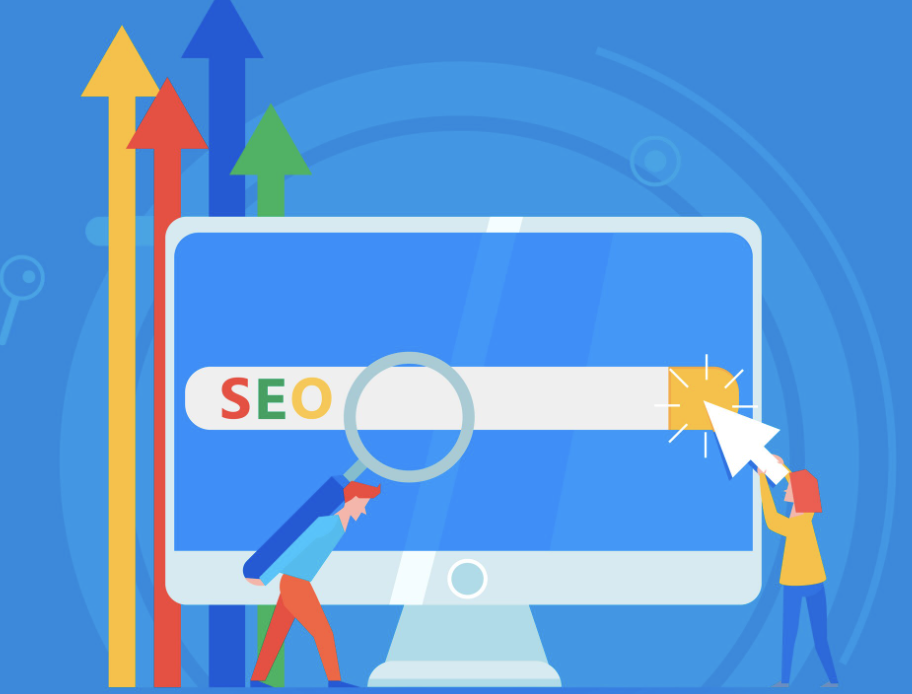
| Zero-click SEO refers to optimising content, structured data, and authority signals so search engines can extract and display your information directly on the SERP without requiring a user click. |
Search engines no longer act solely as signposts to websites. They now surface answers directly on the results page through featured snippets, knowledge panels, local packs, and emerging AI overviews.
As a result, many queries end without a click, reshaping how brands are discovered and evaluated.
For businesses that have long measured success by traffic and click-through rates, this shift can feel like lost ground. In reality, it opens a new playing field: the brands featured in these answer boxes earn instant authority and stay top-of-mind when users move from research to purchase.
This guide shows you how to secure those answer positions, measure their value, and keep the customer journey moving—even when the first interaction happens entirely on the SERP.
What Zero-Click Search Looks Like and Why It Matters
Zero-click outcomes appear whenever Google, Bing, or other engines satisfy a query without requiring a visit to another site.
Common formats include featured snippets, knowledge panels, local packs, direct answers, and AI-generated overviews, each designed to give users instant information. While these features boost brand impressions, they reduce immediate views.
The impact varies across the funnel:
- Awareness: Your brand becomes the cited authority, increasing recognition.
- Consideration: Users may remember or bookmark you for later, even without clicking.
- Conversion: Fewer on-page sessions mean you must capture interest through off-SERP signals and smart micro-conversions later.
For SMEs and agencies, the decision is whether to optimise solely for clicks or to balance “answer visibility” with traffic goals. If lead capture is mission-critical, prioritise pages that entice a click.
| Also Read: Learn Cost-Effective Ways to Drive Traffic to Your Website |
Core Zero-Click SEO Strategies to Win Answer Positions and Still Drive Outcomes
Zero-click SEO success blends precise content, structured data, topical authority, and a user journey that nudges people toward the next step, even if that step happens after the SERP interaction.
Craft Answer– First, Snippet-Ready Content
- Front-load a 40–60-word answer. Place it immediately under a question-style heading to boost your odds of being extracted for featured snippets and AI summaries.
- Use question-based H2/H3 headings. Phrases starting with ‘who’, ‘what’, ‘how’, or ‘why’ align with conversational queries.
- Leverage lists for clarity. Steps and bullet points are often pulled into list snippets.
- Add a micro-conversion on the same page. An unobtrusive email signup, downloadable cheat sheet, or mini-tool converts visibility into relationships if users eventually click through.
- Naturally weave keywords. Include the primary term “zero-click seo” where relevant, and related phrases like “featured snippets” in conversational contexts.
Implement Structured Data That Search Engines Can Extract
- Prioritise FAQ, HowTo, Product, and Organisation schema. These formats make your content machine-readable and ready for SERP features.
- Validate and monitor. Use Google’s Rich Results Test and Search Console to confirm markup health and track rich-result impressions.
- Govern freshness. Update or remove outdated schema quickly; stale markup can downgrade E-E-A-T signals.
Build Topical Authority with Clusters and E-E-A-T
- Create pillar hubs. Publish comprehensive cornerstone pages supported by focused cluster articles that answer related questions. Internal links strengthen topical depth.
- Show credentials. Author bylines, short bios, and source citations emphasise expertise and trust, critical for sensitive topics.
- Update regularly. Fresh statistics, revised dates, and new references signal ongoing relevance to both users and search algorithms.
Optimise for Conversational and AI-Driven Queries
- Mirror natural language. Incorporate the exact phrases people speak to voice assistants or type into AI chat.
- Anticipate follow-ups. Add brief FAQ sections that address common next questions to capture multi-turn contexts.
- Provide clear source markers. Reference authoritative sites or your own primary data so AI systems can cite you confidently.
| Also Read: Why You Need Both SEO and Content Marketing to Drive Online Success |
Measuring Success Beyond Clicks: KPIs That Reveal True Business Value
Classic metrics like sessions and CTR no longer tell the whole story, so shift your focus to indicators that reveal answer visibility and downstream impact.
Key KPIs:
- Answer-Feature Impressions: Track how often your content appears in snippets or AI boxes via Google Search Console.
- Featured Snippet Ownership: Monitor the percentage of target queries where you control the snippet.
- Branded Search Lift: Compare brand-name query volume before and after zero-click efforts.
- Micro-Conversion Rate: Measure email signups or downloads on pages designed for snippets.
- Downstream Conversions: Use UTM parameters and server-side events to connect SERP exposure to leads or sales.
Experiment Framework
- A/B Snippet Tests: Compare pages with answer-first copy against controls for 30–60 days; assess branded search lift and micro-conversions.
- Pilot Answer Tracking: Tag snippet-optimised pages and analyse on-site behaviour of users exposed to answer features.
Decision Triggers
- High impressions but low conversions? Strengthen on-page trust signals and micro-conversions.
- Rising branded queries? Double down on topical hubs and E-E-A-T investments.
Technical & Site Reliability Foundations for Zero-Click Visibility
Search engines favour sources they can crawl quickly and reliably.
Technical Checklist
- Mobile-friendly, fast-loading pages.
- Indexable URLs with clean canonical tags.
- Accurate, up-to-date structured data.
- Regular content freshness audits.
| Pro Tip: Set automated alerts for schema errors, crawl anomalies, or uptime issues so you can remediate problems before they affect SERP visibility. |
A 60-Day Roadmap: From Audit → Pilot → Scale
Week 1–2: Discovery & Audit
- Identify 20 high-value queries.
- Assess pages for answer-readiness (concise copy, schema, speed).
- Capture baseline metrics: snippet impressions, branded searches, micro-conversions.
Week 3–4: Quick Wins & Experiments
- Update 3–5 pages with answer blocks and FAQ schema.
- Launch A/B tests on answer wording and micro-conversion offers.
Week 5–8: Measurement & Iteration
- Monitor impressions and conversions; refine copy and CTAs.
- Build the first topical hub with author bios and citations.
Week 9–12: Scale & Governance
- Expand snippet optimisation to new queries.
- Implement structured-data governance and routine reporting.
Success Indicators
- Sustained uptick in snippet impressions and branded queries.
- Consistent or improved micro-conversion rates.
- Positive downstream conversion trend.
Build a Stable, High-Visibility SEO Foundation Now
Balance goals: pursue answer visibility when brand awareness and trust matter most; prioritise click-driving pages when immediate traffic fuels revenue.
Use the 60-day roadmap to pilot zero-click SEO tactics, track answer impressions and downstream conversions, then double down on what lifts both visibility and business outcomes.
With Crazy Domains, you can strengthen the foundation that supports these efforts, ensuring your domain, DNS, and hosting remain stable, crawlable, and reliably available for search engines and users.
Get in touch with our team for more info!