| A client business domain is your brand’s unique, legally owned online address that shapes credibility, visibility, and control. Choosing the right domain and registrar ensures long-term security, scalability, and SEO performance. |
A business domain is the first handshake your company makes online. Whether you run a fast-growing agency or a global enterprise, that short string of characters can shape how prospects perceive, find, and trust your brand.
Beyond a URL, it’s a core asset that impacts everything from marketing performance to legal protection.
This guide explores what a client’s business domain is, why it matters, and the steps to choose, register, and protect the perfect name for long-term growth.
What is a Client Business Domain?
A client business domain is the unique, human-readable web address (e.g., yourbrand.com) that a company owns and controls to represent its digital presence. In other words, it’s your brand’s permanent street address on the internet.
Unlike hosting, which stores website files on a server, a domain is purely the naming system that points browsers to those files. That distinction is why many organisations purchase hosting (for example, a Linux hosting plan) separately from their domain.
Business Domain Name Meaning Vs. Hosting Vs. Website
- Domain: The memorable label users type into a browser.
- Hosting: The rented server space that holds site content.
- Website: The collection of pages that load once the domain directs visitors to the host.
Domain Ownership for Businesses
Registering a name through an ICANN-accredited registrar places the domain in your legal control. Your organisation (or its designated admin contact) appears in the public WHOIS record, giving you renewal rights and the authority to delegate DNS changes. Clear ownership prevents confusion if staff change or agencies rotate.
| Also Read: How to Secure the Perfect Domain Name for Your Business |
Why Your Business Domain is So Important
Every serious brand strategy starts with a rock-solid domain. The following pillars explain why.
Brand Identity & Trust
A relevant, memorable business domain signals legitimacy before a single page loads. It lets you create professional email addresses ([email protected]) and ensures campaigns across social, print, or TV direct audiences to the same anchor point.
Search Visibility & SEO Equity
Search engines use domain signals, keywords, age, and backlinks to determine ranking potential. A clean, brandable name tends to earn high click-through rates, while 301 redirects preserve authority if you rebrand. Subdomains (shop.yourbrand.com) can segment content without diluting SEO equity when configured correctly.
Legal Protection & Competitive Edge
Owning the right domain early thwarts cybersquatters and trademark conflicts. Courts have repeatedly ordered domain transfers (and, in some cases, damages) when a bad-faith registrant tried to profit from a protected brand. Registering core variations (.com, .net, country codes) minimises that risk.
Scalability & Client Management
Agencies and enterprises often juggle dozens of client domain registrations inside one registrar dashboard. Centralised control streamlines renewals, DNS edits, and invoicing. Sub-brand or product-line domains can be added later without disrupting the parent brand’s primary URL.
Choosing the Right Business Domain Name
Selecting a domain is part art, part strategy. Follow these four checkpoints.
Brainstorming & Validation
- Relevance: Reflect your product or value proposition.
- Memorability: Short, pronounceable, and free of confusing punctuation.
- Brevity: Fewer words reduce typos and voice-search errors.
- Due diligence: Check trademark databases and major social platforms to avoid conflicts.
Helpful tools include keyword planners, name generators, and trademark search engines.
Selecting the Best TLD
- .com
– Pros: Universal recognition; better resale value
– Cons: High competition; many names already taken - Country-code (ccTLD) like .au or .uk
– Pros: Geo-relevance; local trust signals
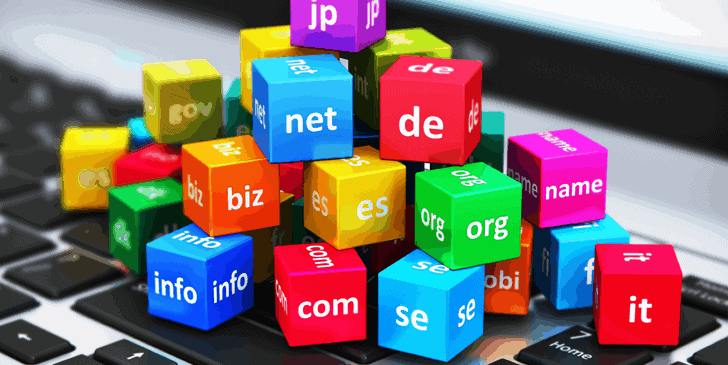
– Cons: Limited if you expand globally; varying rules by country - New gTLDs such as .agency or .io
– Pros: Creative branding; higher availability
– Cons: Less familiar to mainstream audiences; some ad platforms flag novelty TLDs
Availability Checks & Alternatives
If the first choice is taken, weigh hyphenated versions, abbreviations, or different TLDs. Premium domains can cost more upfront, but may save on marketing spend long term.
Mistakes to Avoid
- Complex spellings or numbers that sound like letters
- Hidden meanings or regional slang that alienate markets
- Chasing fleeting trends that could date the brand within a year
Step-by-Step Guide to Client Domain Registration
1. Compare Pricing & Plans
Standard domains typically start in the low double-digit range per year, while premium keywords or one-word .coms can command thousands. Scrutinise renewal costs; promotional first-year pricing often rises on the anniversary.
2. Register Through an ICANN-Accredited Registrar
Create an account, enter accurate contact information, and confirm your email addresses. Accurate WHOIS data is mandatory under ICANN policy and avoids potential suspension.
3. Connect Your Domain to Hosting & Services
Update nameservers issued by your hosting provider, then allow for DNS propagation (usually a few minutes to 24 hours). Configure key DNS records (A, AAAA, MX) to launch the website and email.
4. Set Up Auto-Renewal & Ownership Safeguards
Enable registrar lock, register for multiple years, and list a secondary admin email. Those measures prevent accidental expiry or unauthorised transfers.
Managing & Securing Your Domain Long-Term
Protecting your online address is an ongoing task.
DNS & SSL Security
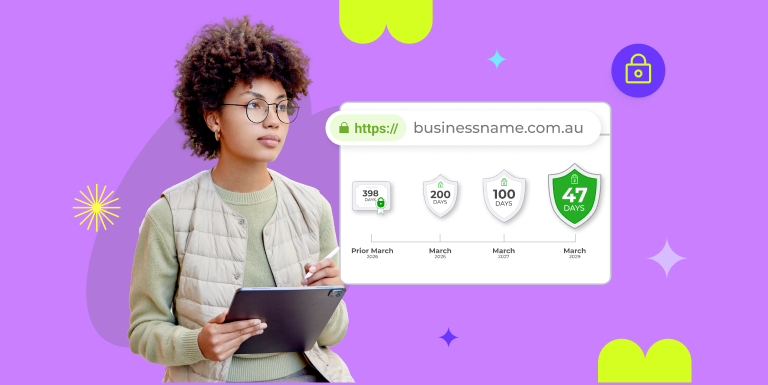
Implement DNSSEC to verify DNS integrity and install an SSL/TLS certificate to serve pages over HTTPS. Both steps guard against hijacking and improve user trust indicators.
Privacy, Compliance & WHOIS Guard
Regulations such as GDPR and CCPA treat WHOIS data as personal information. A privacy service masks contact details from public view while still forwarding critical notices.
Monitoring & Renewal Hygiene
Mark the expiration timeline on your calendar, even with auto-renewal, to budget for multi-year fees. After a short grace period, redemption fees can far exceed the original cost.
Common Pitfalls and How to Avoid Them
- Letting a domain lapse, only to see it auctioned off to competitors
- Losing access to a business email tied to an expired domain
- Pointing multiple variants with 302 (temporary) instead of 301 (permanent) redirects, which can fragment SEO value
| Also Read: How to Set Up 301 Redirects in WordPress: Complete Guide |
Secure the Domain That Builds Your Brand
Your business domain is more than a web address; it’s the foundation of your online identity, trust, and growth. From legal control and SEO equity to client credibility and future scalability, the right domain gives your brand a lasting edge.
Ready to claim your perfect domain? Crazy Domains makes it easy with competitive pricing, expert local support, and all the tools to help you grow online, starting today.