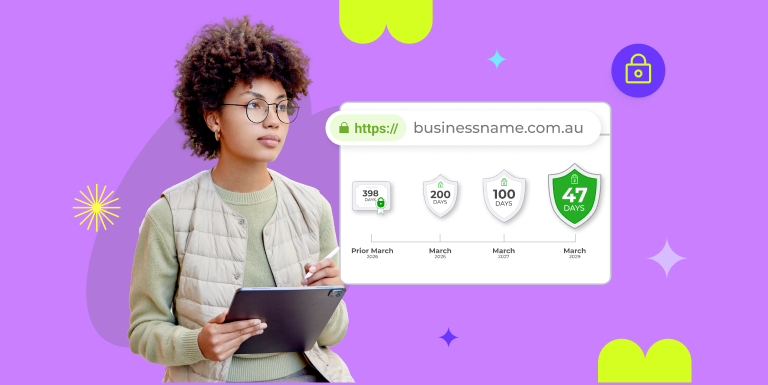
| SaaS subscription software tools for domain management are cloud platforms that automate renewals, orchestrate DNS changes, and centralise governance through API-driven workflows and audit-ready controls. |
The day a domain quietly expires is the day websites break, emails bounce, and reputations wobble.
Small teams, agencies and global enterprises alike still juggle renewal calendars, multiple registrars and risky, manual DNS edits. Every missed reminder or typo can translate into downtime, SLA penalties or a frantic weekend rollback.
Subscription-based SaaS platforms built for domain automation promise a cleaner path: predictable spend, always-on renewals, API-driven DNS and a single place to govern who changes what.
This blog delivers practical, vendor-agnostic guidance to help you evaluate, select and implement such tools with confidence – and keep every critical hostname online. Read on!
The Changing Landscape of Domain Management
Domain management has evolved from spreadsheet tracking to cloud-delivered platforms that discover, renew, and orchestrate DNS in a single workflow. Today’s saas subscription software solutions scan registrars for expiring domains, trigger auto-renewals, rotate certificates and log every change for audit purposes.
Organisations increasingly demand:
- Predictable billing that mirrors renewal cycles
- Automated safeguards against lapses or misconfigurations
- Central visibility across teams and clients
Procurement teams like the operating-expense predictability; developers relish faster change velocity; security leads value a clear audit trail. Next, we dig into the concrete benefits driving adoption.
| Also Read: How Do I Manage My Domain Name |
Why Choose SaaS Subscription Software for Domain Automation?
Subscription-first platforms deliver four headline wins:
- Predictable Operating Expenses: Flat-rate, tiered or usage-based plans align costs with the exact number of managed domains, making forecasting painless.
- Reduced Outage Risk: Automated renewals and certificate rotation close the window for accidental expiry, which is a leading cause of downtime.
- Faster Onboarding: Self-service portals and APIs let developers or account managers request subdomains or DNS tweaks without slow, ticket-based queues.
- Centralised Discovery: A unified inventory exposes shadow-registered domains and unused licences, curbing spending waste.
Caution: Automation without the right guardrails can propagate errors at machine speed. Governance, which we cover later, must ride shotgun with every workflow.
Core Features to Look For
Here are the essential features that modern SaaS subscription software must offer to ensure secure, automated and scalable domain operations:
Automated Renewal and Certificate Workflows
Rule-based auto-renewals let you set renewal windows (for example, 30 days before expiry) and payment-method fallbacks to prevent rejected charges.
Look for pause or override switches, plus an audit trail so you can trace who approved a manual renewal or why a certificate rotated. These features translate directly into less downtime and stronger SLA adherence.
DNS Orchestration and API-First Integrations
An open API and webhook framework should connect the tool to registrars, CDNs, load balancers and monitoring stacks. That API lets teams embed domain automation into CI/CD pipelines or client portals, with transaction logs and instant rollback primitives for safety.
Billing Models, Metering and Subscription Management
Expect support for tiered, per-domain, usage-based or hybrid pricing alongside invoicing connectors that sync with finance systems. Dashboards should display a renewal calendar and reconcile charges for each domain, providing a clear total cost of ownership as portfolios grow.
Governance, Roles and Auditability
Essential controls include role-based access, approval gates for high-impact DNS or certificate actions and registry-lock policy templates. Discovery features that surface unmanaged or “shadow” domains further shrink security gaps.
Choosing the Right Subscription Model for Your Organisation
Start by mapping current and projected domain counts, API call volumes and client segmentation.
- Flat-rate or broad-tier plans suit companies wanting expense predictability when growth is steady.
- Usage-based pricing fits agencies or start-ups with spiky demand, so pay only for domains or records touched.
Agencies should prioritise multi-tenant dashboards, per-client billing and white-label options. Before signing, validate CSV or API billing exports, invoice-matching rules, and whether contract renewals align with peak domain renewal periods.
Implementation Best Practices – From Pilot to Scale
Here’s a snapshot of the essential steps to implement SaaS subscription software effectively and scale domain automation with confidence:
Start With a Small, Measurable Pilot
Select a handful of critical domains or a single client account, and set KPIs such as time saved, incidents avoided, or cost delta. Confirm that automation triggers and billing reconciliation behave as expected during this pilot.
Pair Automation With Governance
Enable approval gates, least-privilege roles and staged rollouts for DNS or certificate edits. Create incident playbooks that assign a clear owner to each domain issue, preserving speed without sacrificing control.
Integration and Operational Hygiene
Use APIs or webhooks to integrate the platform with CI/CD, finance, and monitoring tools. Maintain a single source of truth listing each domain’s business owner, SLA and renewal date, and, where possible, connect it to internal CMDBs.
Measure, Iterate and Scale
Track ROI: fewer manual tasks, fewer renewal incidents, lower licence waste. Iterate based on developer feedback, then expand. Keep an exit strategy: insist on exportable data, open-standard APIs and documented runbooks to reduce vendor lock-in.
| Also Read: Unlock or Lock Your CD Domain |
What This Means for Agencies, Developers and Tech Teams
- Agencies streamline multi-client billing and white-label portals while siloing client access.
- Developers embed domain creation or DNS edits directly into CI/CD for zero-touch releases, thereby shortening feature lead time.
- Enterprises gain central governance, compliance reporting and reduced shadow procurement, tackling security and audit gaps head-on.
| Pro Tip: Tag every domain asset in your SaaS platform with business-criticality and an SLA label; use those tags to prioritise renewal alerts, approval workflows, and remediation windows so vital brands never fall behind lower-priority rules. |
Take Control of Your Domain Operations Today
SaaS subscription software brings predictable costs, auto-renewals, robust DNS and certificate workflows, plus audit-ready governance.
Success, however, hinges on choosing API-first vendors, aligning pricing to growth and rolling out with a measurable pilot that balances speed with approval gates.
At Crazy Domains, we make domain management simpler with automated renewals, streamlined DNS controls, and dependable support that keeps your online assets stable.
If you’re ready to modernise your domain operations, our team can guide you through setup and help you scale with confidence. Get in touch with us now!