Our attention spans are 40 seconds long on average. That’s a remarkably short number for getting through clunky domain URLs.
Like in all things possible, people want clarity. When they click on a link, they don’t want to guess where it’s taking them. Vanity domains make that crystal clear.
Often customised with your brand name or even a catchy term, they add layers of authenticity to your brand’s image.
If you’ve never used vanity URLs before, don’t worry. In this guide, we’ll explore what a vanity domain is, look at common vanity URL examples, and understand how to make them work for your business. Let’s go!
What Is a Vanity Domain?
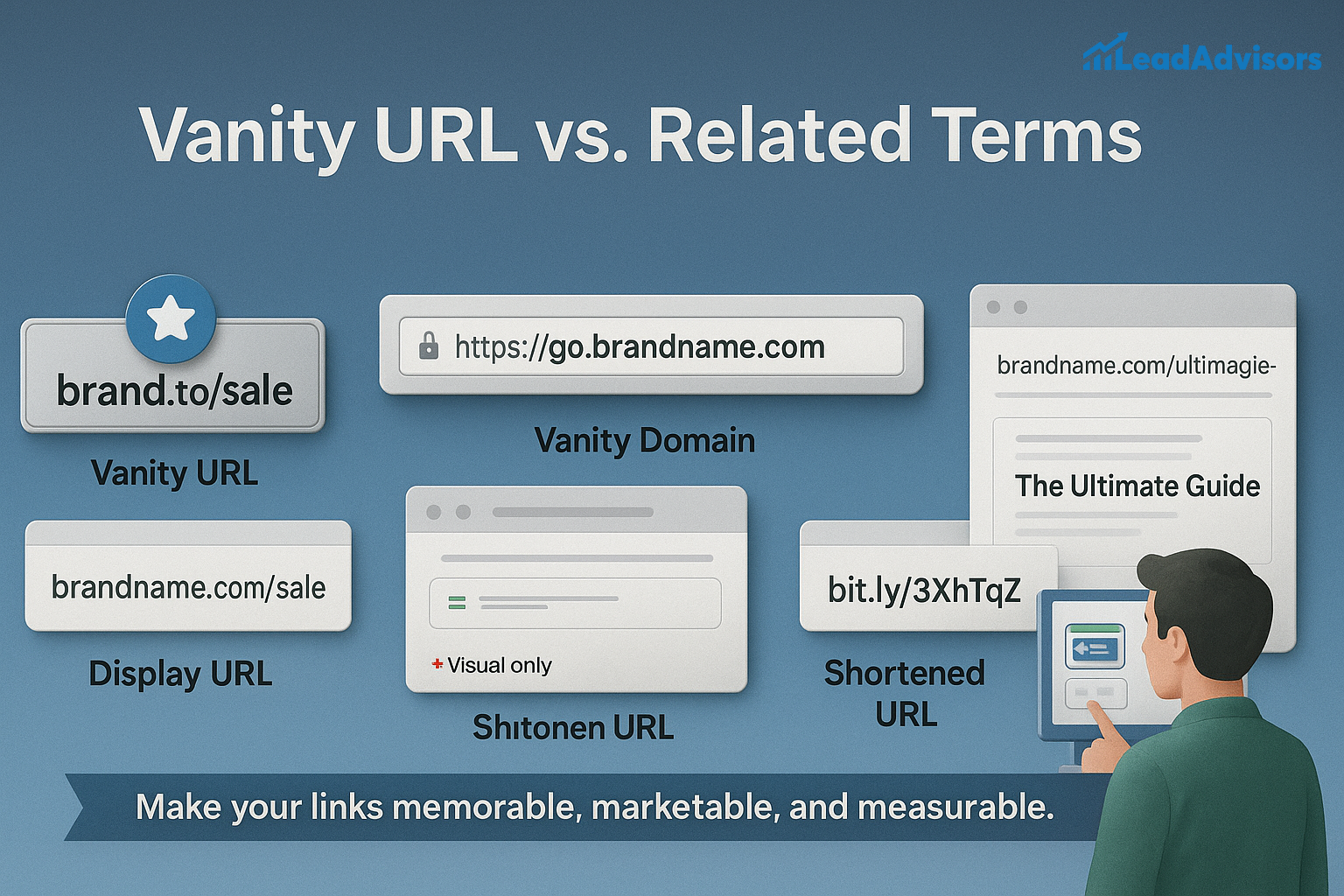
A vanity domain is a website address that you choose for its simplicity, memorability, and relatability (often to a person’s name, business, or brand).
Unlike a regular domain, which might be longer or less personal, a vanity domain:
- Helps make a strong first impression
- Allows people to remember and find your website easily
- Makes it easy for users to interact with your site
| Pro Tip: Vanity URLs aren’t the same as vanity domains. Vanity URLs are custom, easy-to-remember links, while vanity domains are personalised web addresses that represent your brand. |
Here’s a quick breakdown of the “Vanity URL vs. Related Terms”:
Term |
What It Is |
Branded? |
SEO Impact |
Common Use |
Redirects Users? |
| Vanity URL | A short, branded redirect | Yes | Minimal, but helps with tracking & trust | Marketing campaigns, social media, SMS | Yes |
| Vanity Domain | The top-level domain used to create vanity URLs | Yes | Depends on usage | Branding, custom URLs | Yes |
| Display URL | The visual URL shown in ads, not necessarily the real destination URL | No | None | PPC ads, paid search results | No |
| Shortened URL | A generic, shortened link (e.g., bit.ly) | No | None | Quick link sharing, temporary uses | Yes |
| Custom URL | Any user-created URL slug can include branded slugs like /ultimate-guide | Yes | Yes (SEO benefit) | Blog posts, pages | No (unless redirected) |
Why Are Vanity Domains Important?
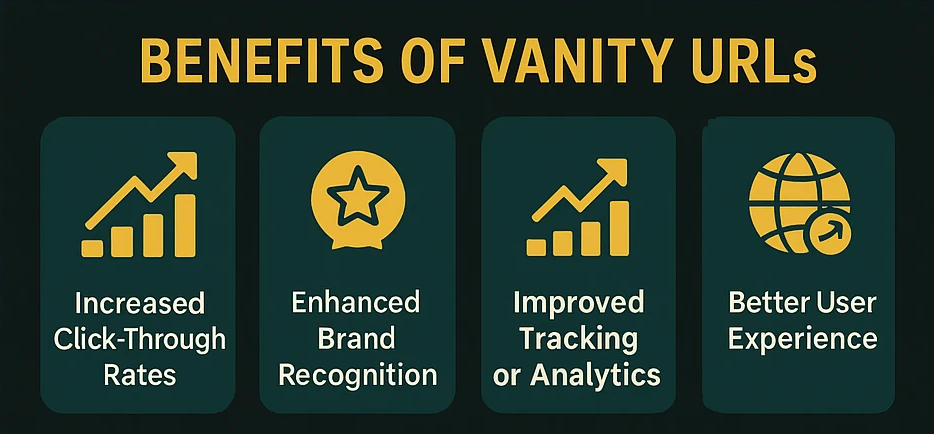
Aside from aesthetics, vanity domains help establish trust, boost engagement, and improve overall visibility. Here’s how they can make a noticeable difference for your business:
1. Builds Trust and Credibility
When your URL clearly reflects your brand and is easy to read, your customers will view your brand in a more professional, trustworthy light.
Unlike random (read: impersonal) links, a vanity URL shows users exactly where they’re going and what they can expect.
Takeaway: This can significantly lower doubts about the authenticity of the link and motivate your readers to click.
2. Improves Brand Recognition
A custom vanity URL, especially one that includes your business name or a relevant keyword, is a powerful branding tool.
As users see your URL across various platforms such as social media, emails, and physical advertising, they start to recognise your brand more easily.
Takeaway: A simple, branded URL becomes synonymous with your business and creates a sense of familiarity.
3. Greater Control Over Your Links
One of the key benefits of using vanity URLs is the level of control they provide.
You’re not stuck with the generic URLs assigned by platforms. Instead, you have the flexibility to change the destination of your URL, edit the link’s description, or even remove it altogether.
Takeaway: This makes vanity URLs a versatile option for adapting to new campaigns and tracking customer-first marketing initiatives.
4. Boosts SEO Performance
Vanity URLs can help you rank better on search engines.
Including relevant keywords in your custom URL slug tells search engines what your content is about, which can help improve its visibility.
This strategic step boosts your brand’s recognition and relevance in the eyes of both users and search engines.
Takeaway: The more you can tie your brand to key search terms, the more likely it is that users will find you. Plus, search engine bots can crawl your site easily, index it better, and improve rankings over time.
5. Enhances User Experience
The simpler and more intuitive your URL, the easier it is for users to interact with it. A vanity URL is also easier to type, remember, and share.
When a user sees a URL that includes a clear message, they immediately understand where the link will take them.
Takeaway: This kind of clarity ensures users are more likely to click, engage, and return to your site in the future.
6. More Effective Offline Marketing
Vanity URLs are incredibly effective for online and offline marketing efforts because they’re easy to remember.
You can bridge the gap between your physical and online presence by printing them on flyers, brochures, billboards, or even branded merchandise like pens and T-shirts.
Takeaway: Using vanity domain URLs on marketing materials offline helps customers connect the dots and find you online.
5 Vanity URL Examples (And What You Can Learn From Them)
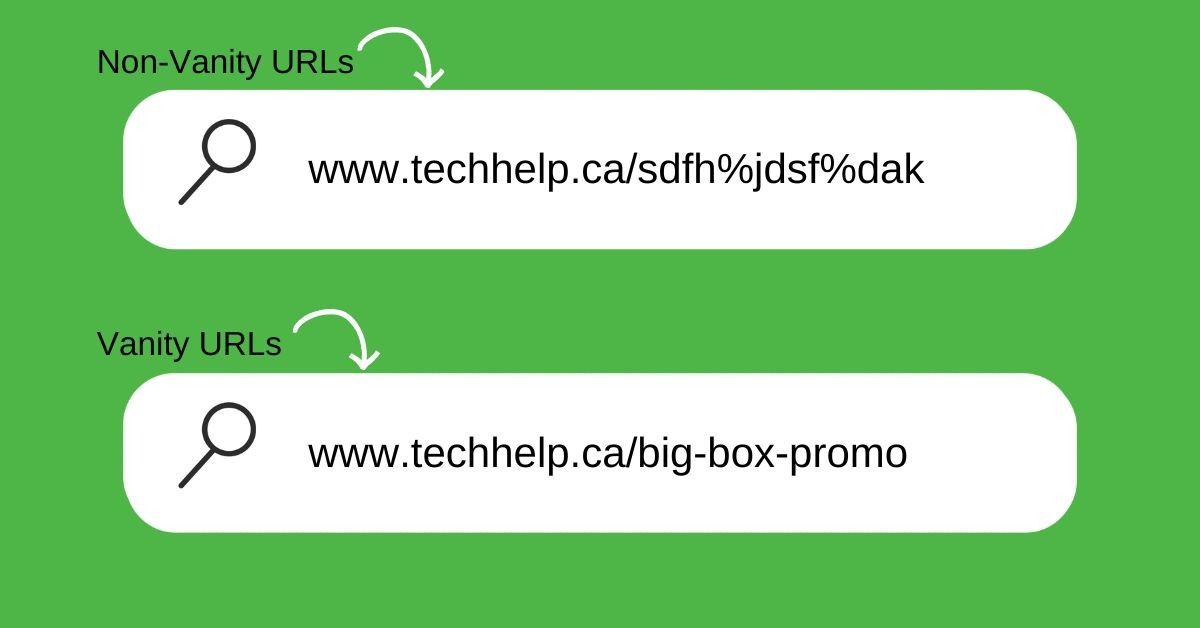
Vanity URLs are an essential part of your marketing and branding strategy. Executed mindfully, you can drive traffic to a specific product, highlight an offering, and improve your SEO.
Here are ten examples that show you just how:
1. Nike
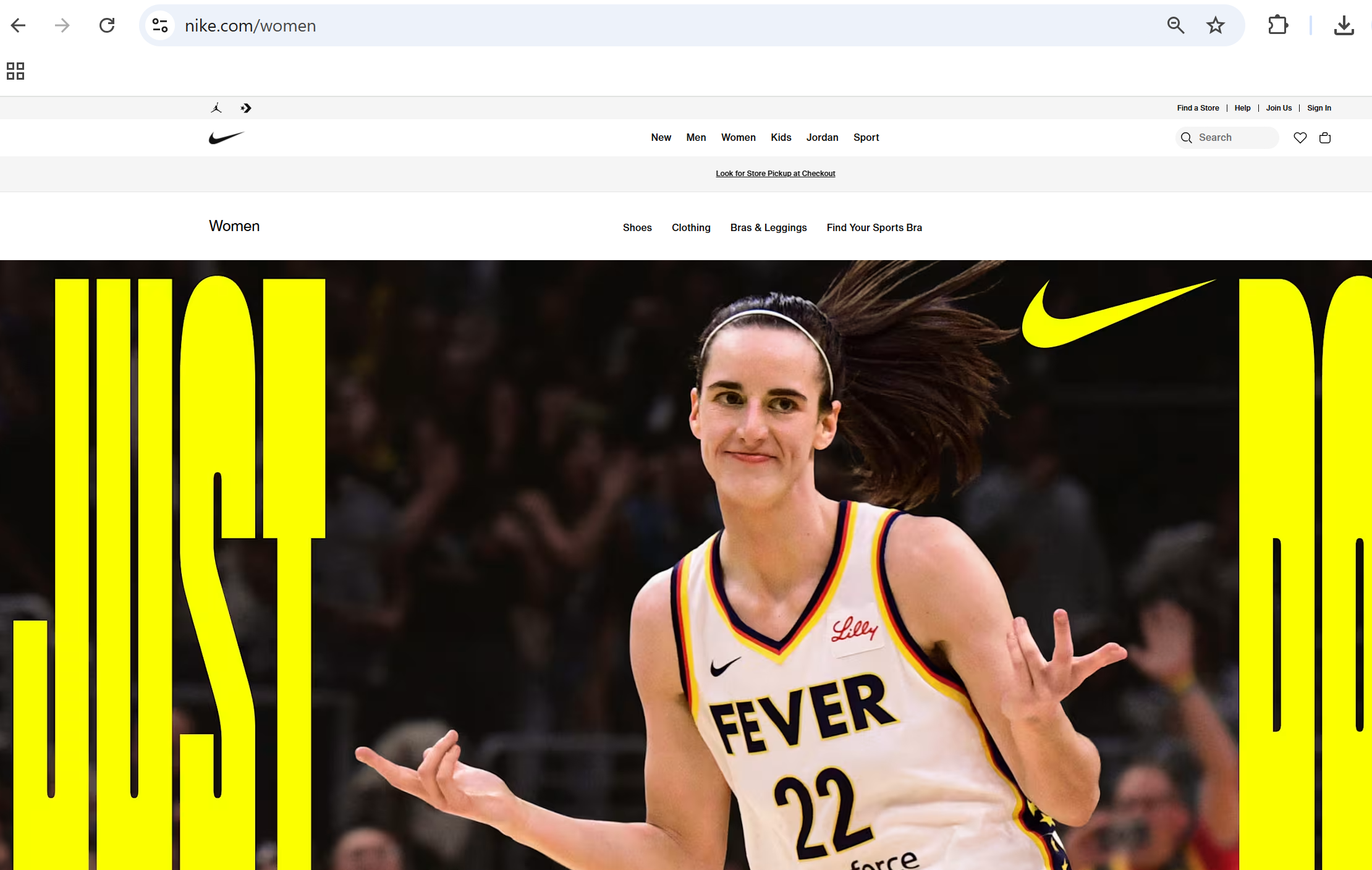
Strategy: Target Specific Audiences with Custom URLs
Nike’s strategy of using vanity URLs to target specific segments is a powerful tool in connecting with their audience on a deeper level.
Take their URL for the “Women’s” section, for instance. It’s straightforward and immediately recognisable to the target demographic: women interested in sportswear.
With a simple and memorable URL, Nike ensures that users don’t have to sift through irrelevant content to find what they’re looking for.
What You Can Learn:
- Focus on Your Audience: Make sure your URL is aligned with the interests and needs of the target group.
- Simplicity is Key: The URL should be easy to recall and type, so your audience can access it effortlessly.
- Experience must be personalised: A URL like this enhances the user experience by leading them directly to relevant content.
Checklist Questions:
- Does your vanity URL speak to a specific group and audience?
- Is it easy for your audience to recall and type?
- Does the URL connect users to a personalised experience (or section)?
2. Airbnb
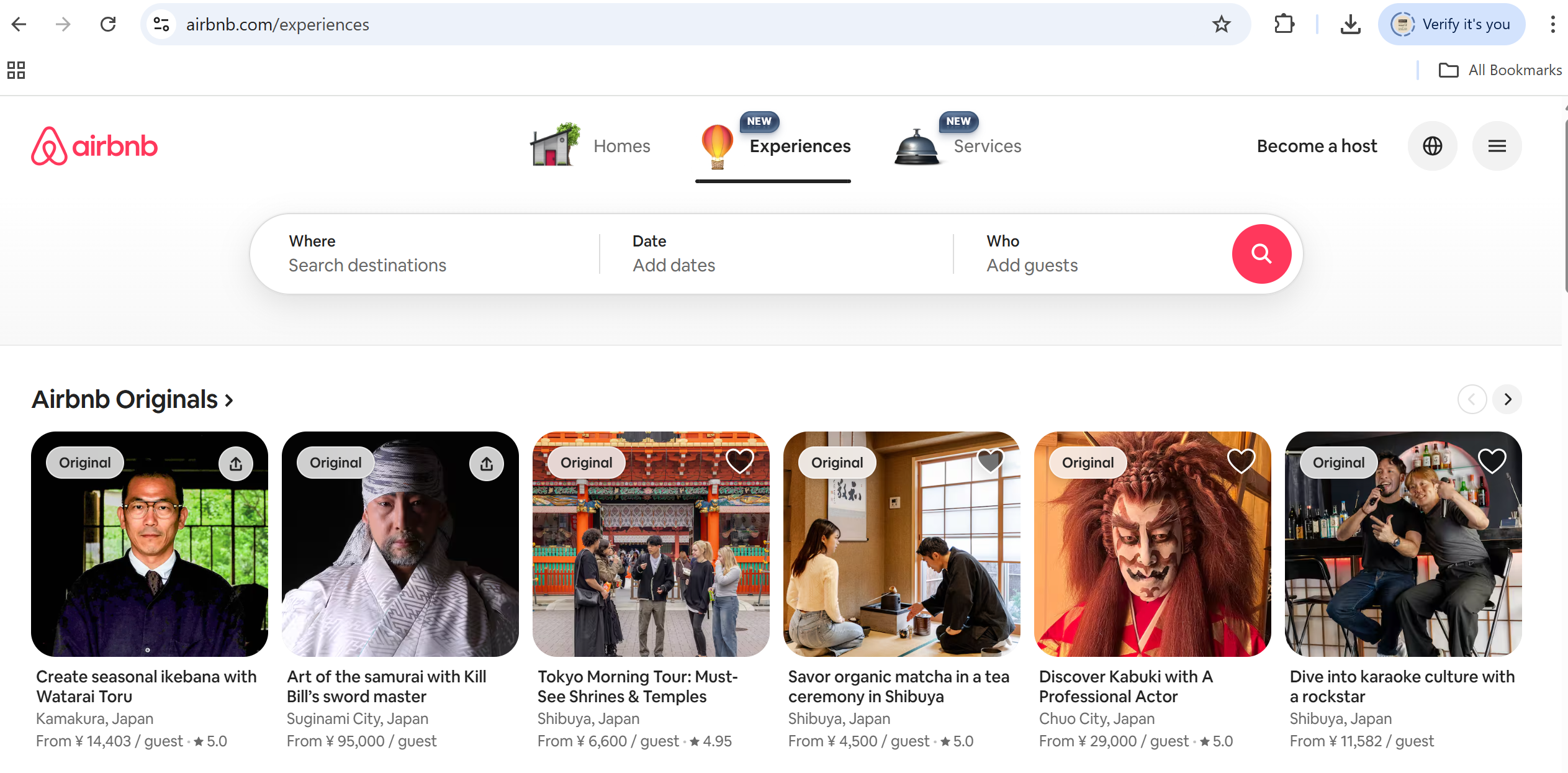
Strategy: Create Dedicated Landing Pages for Specific Offers
Airbnb excels in using vanity URLs to drive users directly to their Experiences section.
This allows visitors to explore a curated set of features and offerings that are directly aligned to their interests.
Instead of a generic landing page, Airbnb’s vanity URL ensures users find exactly what they’re looking for, whether it’s a local tour, cooking class, or adventure.
What You Can Learn:
- Direct and Clear Intent: Vanity URLs help users navigate directly to exactly what they need, making navigation seamless.
- Boost Conversions: A URL that leads directly to a service/feature increases the likelihood of user engagement.
- Enhance User Experience: Users are more likely to convert if they don’t have to dig for the content they’re interested in.
Checklist Questions:
- Are you using vanity URLs to drive users to specific offers and services?
- Does your landing page match the URL’s promise?
- Is it easy for users to quickly navigate to the content you want to highlight?
3. Spotify
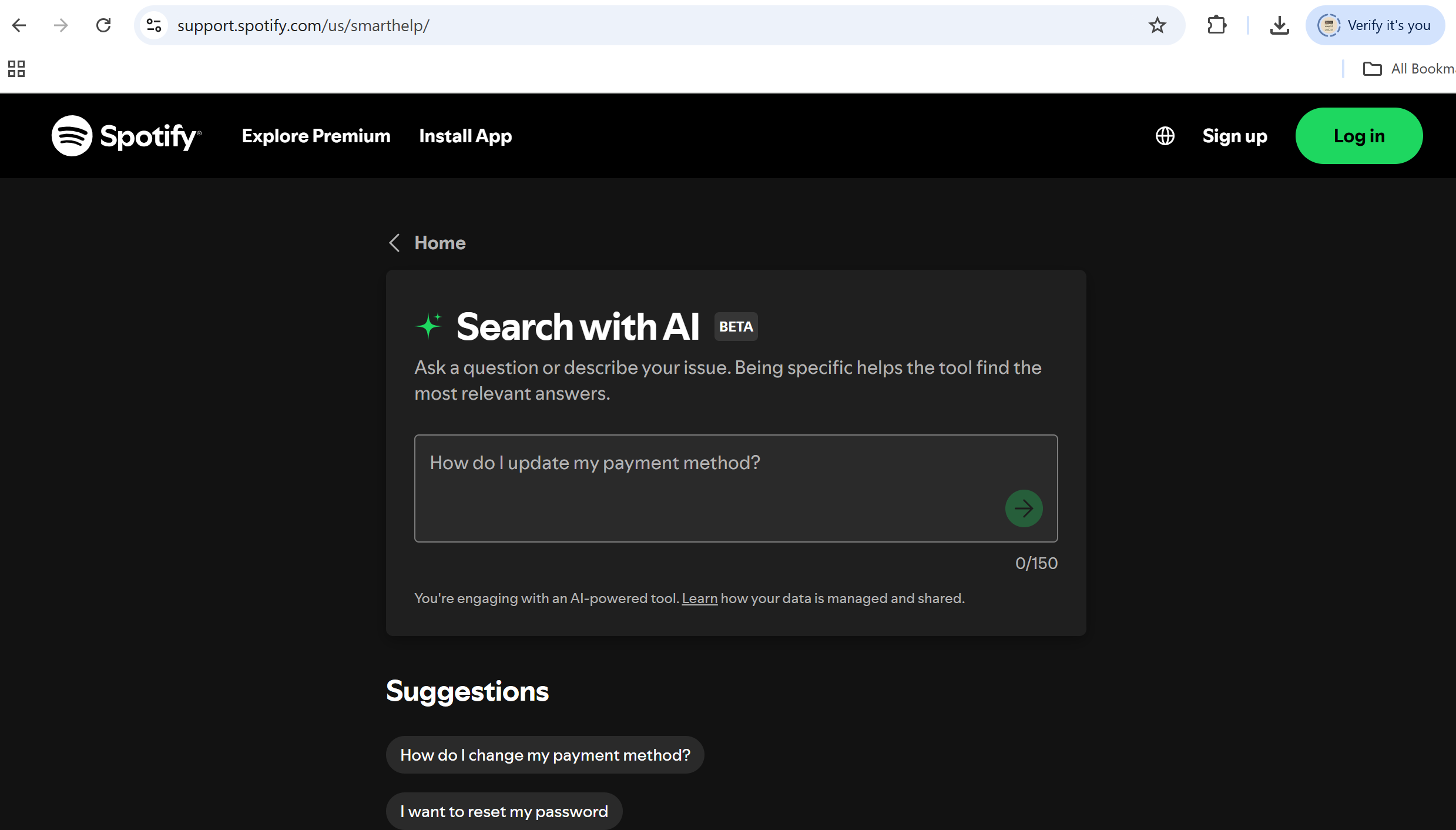
Strategy: Use Vanity URLs to Streamline Customer Support and FAQs
Spotify’s Smart Help URL is a great example of using a vanity URL for enhancing user experience by providing immediate, easy-to-access support.
Instead of directing users to a generic or worse, complex support page, Spotify uses a clear, concise URL that indicates exactly where they’re going—straight to the support resources they need.
What You Can Learn:
- Clear User Expectations: A vanity URL that directly reflects the service (like customer support) helps set clear expectations for the user.
- Improved User Journey: With a direct link to help resources, users spend less time searching for answers and can leverage an improved user experience.
- Efficient Support: Reduces the chance of frustration by making support easily accessible and clear from the outset.
Checklist Questions:
- Does your vanity URL take users to a dedicated support page?
- Is the URL simple and easy for users to type or remember when they need help?
- Does your vanity URL clearly reflect the type of service offered (think: support, troubleshooting, FAQs)?
- How well does the URL meet users’ expectations by leading them directly to the help they need?
4. Redbull
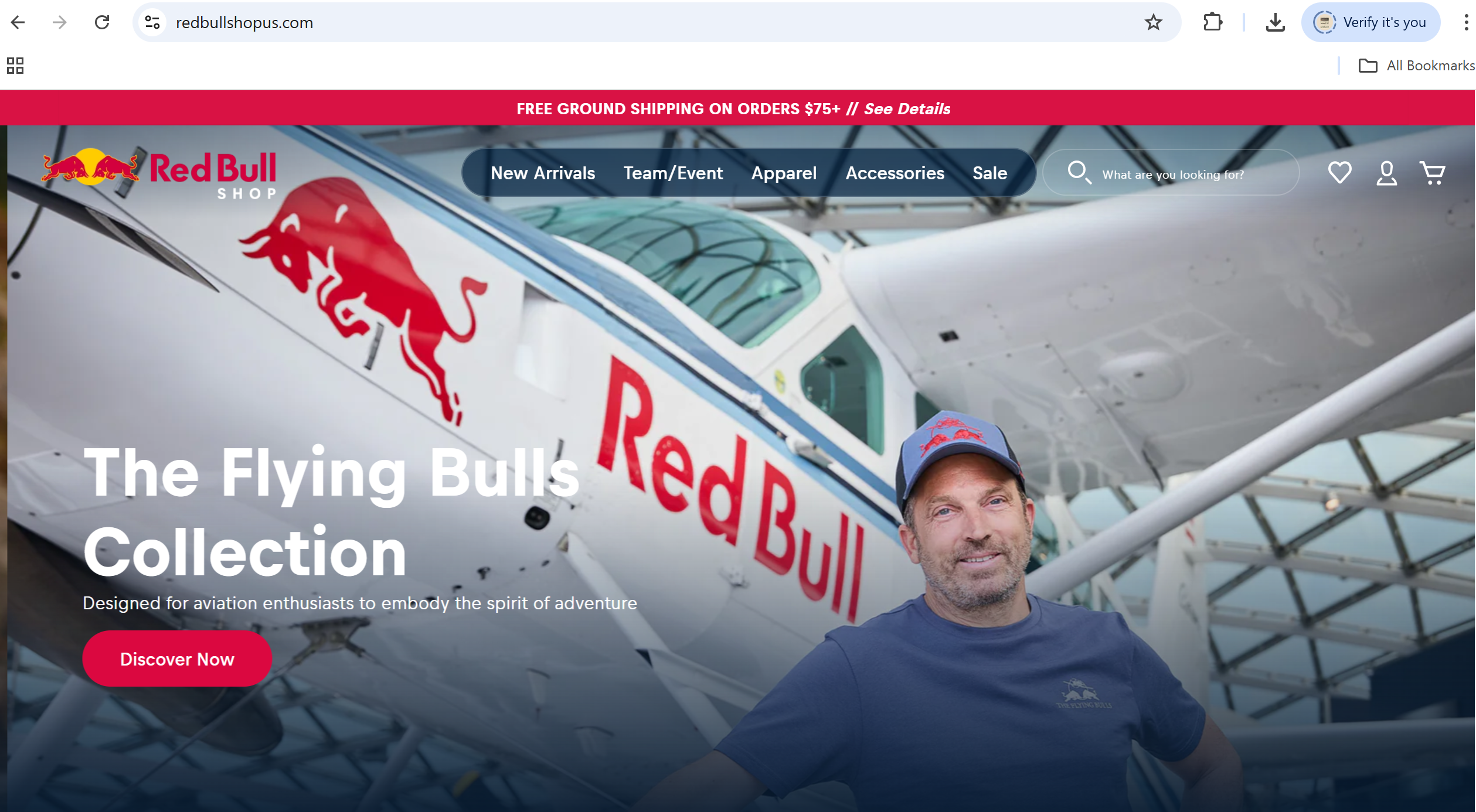
Strategy: Leverage Vanity URLs for a Seamless Shopping Experience
Red Bull has expertly used vanity URLs to create a branded, streamlined shopping experience.
The redbullshopus.com vanity URL makes it easier for customers to find their online store, all the while reinforcing their identity as a high-energy, premium brand. The clear and recognisable URL also contributes to a seamless shopping experience.
Users don’t have to second-guess the legitimacy of the site. Instead, the URL provides immediate clarity and encourages trust, a vital component when making online purchases.
What You Can Learn:
- Brand Consistency: A well-chosen vanity URL strengthens your brand’s identity and makes it easier for customers to connect with your business.
- Trust and Transparency: Simple, memorable URLs reduce the chance of scepticism and ensure customers feel confident when shopping.
- Convenience: A direct URL like this streamlines the customer journey and helps them to find what they’re looking for quickly.
Checklist Questions:
- Does your vanity URL reflect your brand clearly and simply?
- How easy is your URL for customers to remember and access when shopping?
- Does your vanity URL help to build trust and confidence in your online store?
- Is the shopping experience seamless, with the URL clearly guiding users to exactly where they need to go?
5. Warby Parker
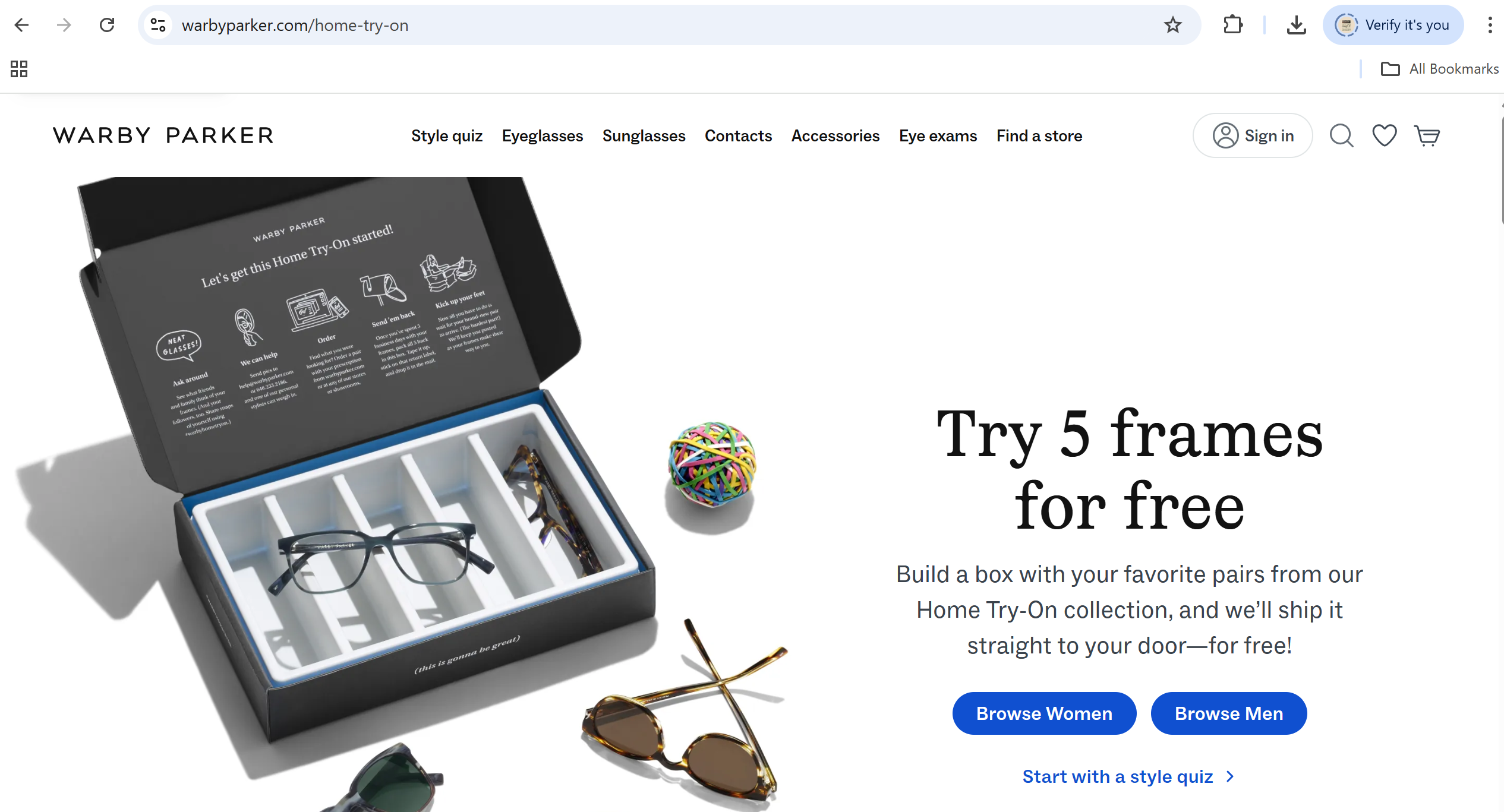
Strategy: Showcase Signature Services and Enhance Customer Engagement
Warby Parker uses a vanity URL to spotlight its Home Try-On program, a service that allows customers to select eyeglass frames to try on at home before making a purchase.
So you see, vanity URLs can effectively highlight a brand’s unique value proposition and drive customer engagement.
A simplistic URL like warbyparker.com/tryon ensures that visitors instantly know what to expect: an easy, convenient way to test out frames without ever stepping out.
This approach demonstrates Warby Parker’s commitment to providing personalised, hassle-free services that keep customers at the core of what they do.
What You Can Learn:
- Promote Unique Selling Points: Vanity URLs bring attention to standout features that differentiate your brand.
- Customer Convenience: Directing customers to a service like the Home Try-On program simplifies the shopping journey and makes it more enjoyable.
- Clear Messaging: A vanity URL communicates exactly what users can expect, which improves both user satisfaction and conversion rates.
Checklist Questions:
- Are you using vanity URLs to highlight distinctive offerings and programs?
- Does your vanity URL provide immediate clarity on the service (or experience) being offered?
- How effectively does the vanity URL align with your brand’s key differentiators and attract your target audience?
4 Learnings from Vanity URL Examples
- Target Specific Audience Segments: Create dedicated and clear-intent-driven URLs for particular demographics and user groups to guide them directly to content that matches their immediate needs and unique interests.
- Supercharge User Experiences: Users should be able to recall the URL easily and type it in seconds to drive repeat visits.
- Improve Brand Identity: A clear URL that speaks to your business values and messaging reinforces what your brand stands for.
- Guide Users to Specific Actions: With the right vanity URL, you can focus your marketing efforts on specific offerings, ultimately providing a direct path to those who are most likely to convert.
How to Use Vanity Domains: Tips to Leverage and Mistakes to Avoid
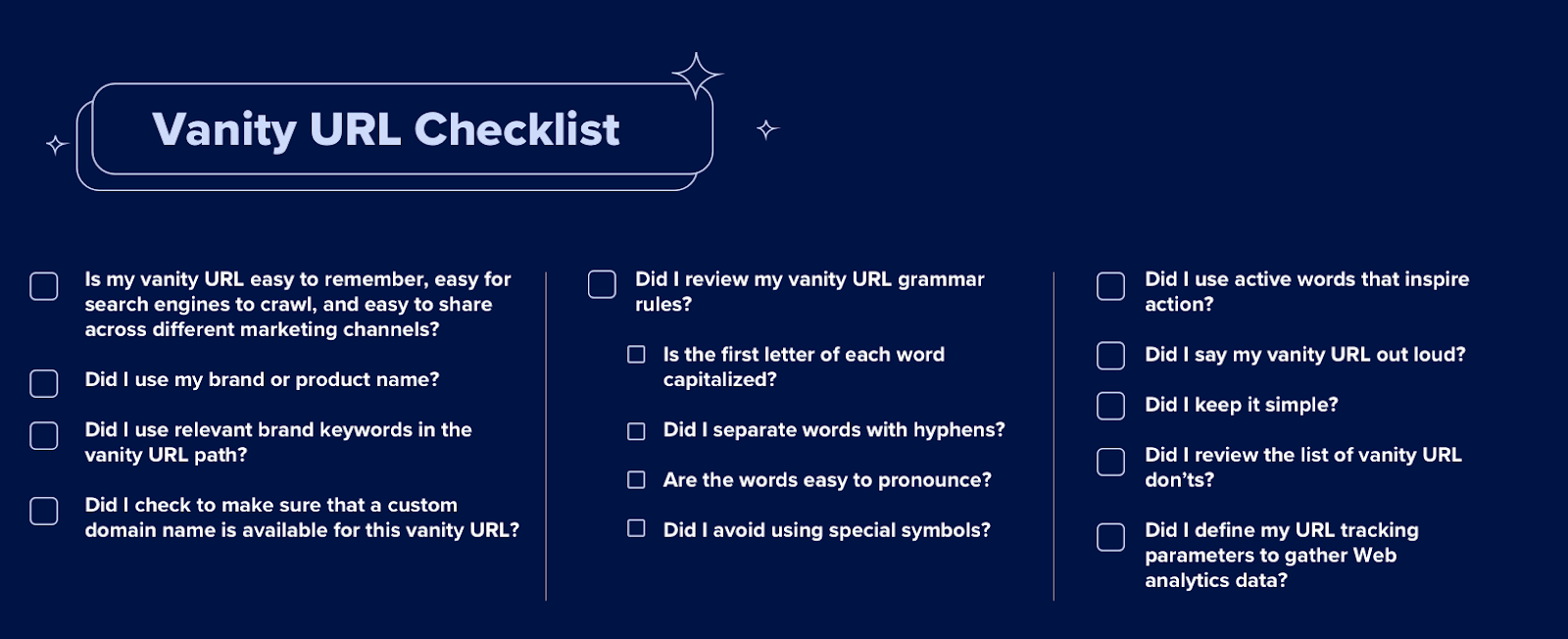
Vanity URLs are a fantastic tool to elevate your brand, simplify user experience, and streamline your marketing efforts.
But just like any tool, they need to be used correctly to work their magic. Small mistakes can lead to broken links, a poor user experience, and even a hit to your SEO rankings.
Let’s go over the common pitfalls and how to avoid them.
1. Keep Your Slug Simple, Don’t Overcomplicate It
Vanity URLs should be clear and easy to remember. A long, complex slug can discourage users from clicking and make sharing the link more difficult.
Adding unnecessary keywords can make the URL less effective.
Bad Example: brand.com/welcome-to-our-2025-summer-sale-the-best-discounts-just-for-you
Better Example: brand.com/summer-sale
Best Practice: A vanity URL should be short, descriptive, and to the point. The key is clarity. Your audience should be able to quickly understand what the link leads to and remember it easily.
2. Ensure You’re Using the Right Redirect
A common mistake is using the wrong type of redirect.
If you’re planning on permanently changing the destination of a URL, a 302 (temporary) redirect won’t do. It might confuse search engines and disrupt your analytics tracking.
Best Practice: Always use a 301 (permanent) redirect when switching vanity URLs. This ensures SEO value is transferred to the new page and tracking data is preserved.
3. Don’t Link to Generic and Irrelevant Pages
Don’t let your vanity URL mislead users. If someone clicks on a link, they expect to land on a page that matches the promise of the URL. Otherwise, they’ll quickly bounce away.
Bad Example: brandname.com/flash-deals (which leads to the homepage with no sale in sight)
Better Example: Valentino’s offers page goes directly to a curated list of the latest offers:
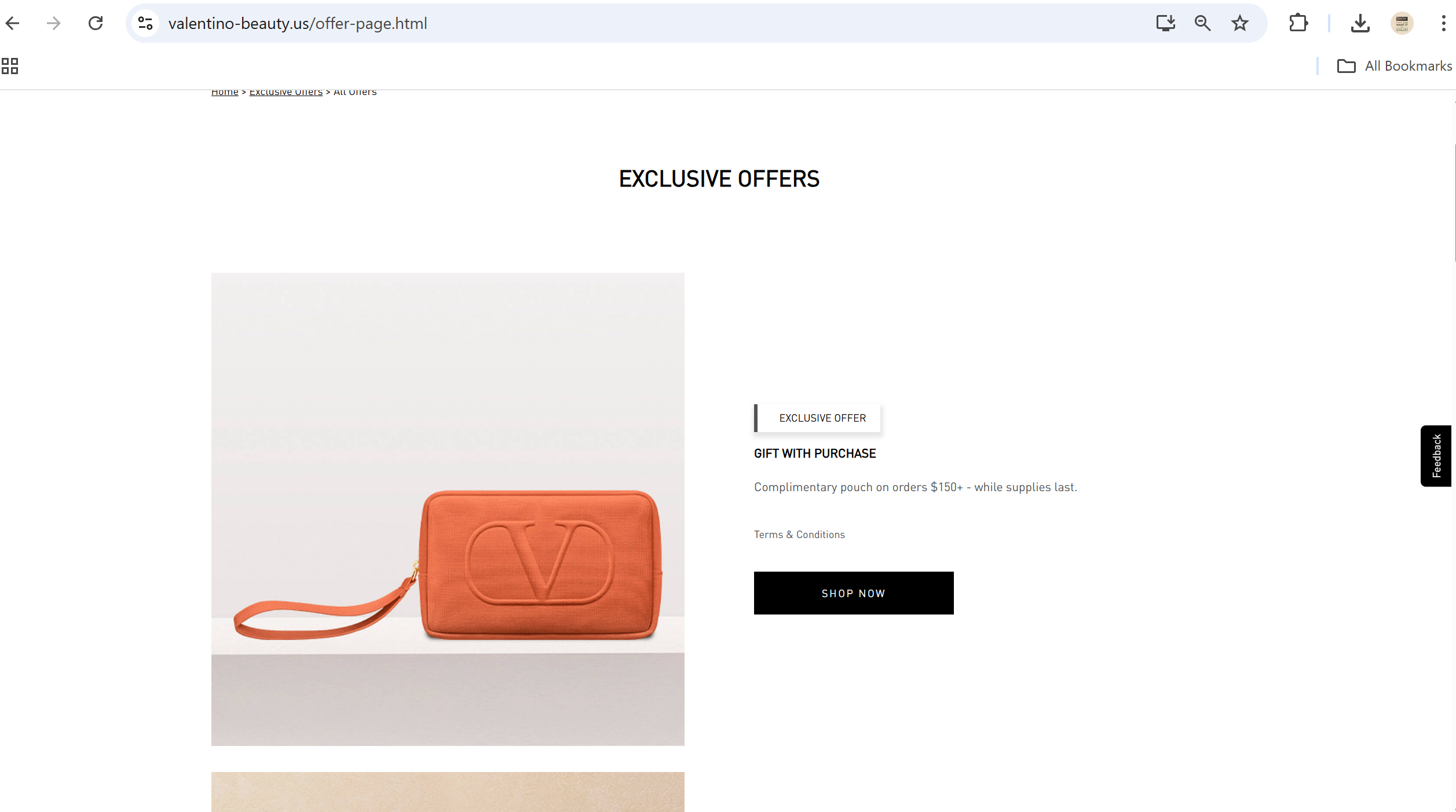
Best Practice: Ensure your vanity URL directs to a dedicated, relevant page that aligns with the link’s message. For example, if your URL promotes a special offer, the landing page should feature that exact offer.
4. Secure Your URLs with HTTPS
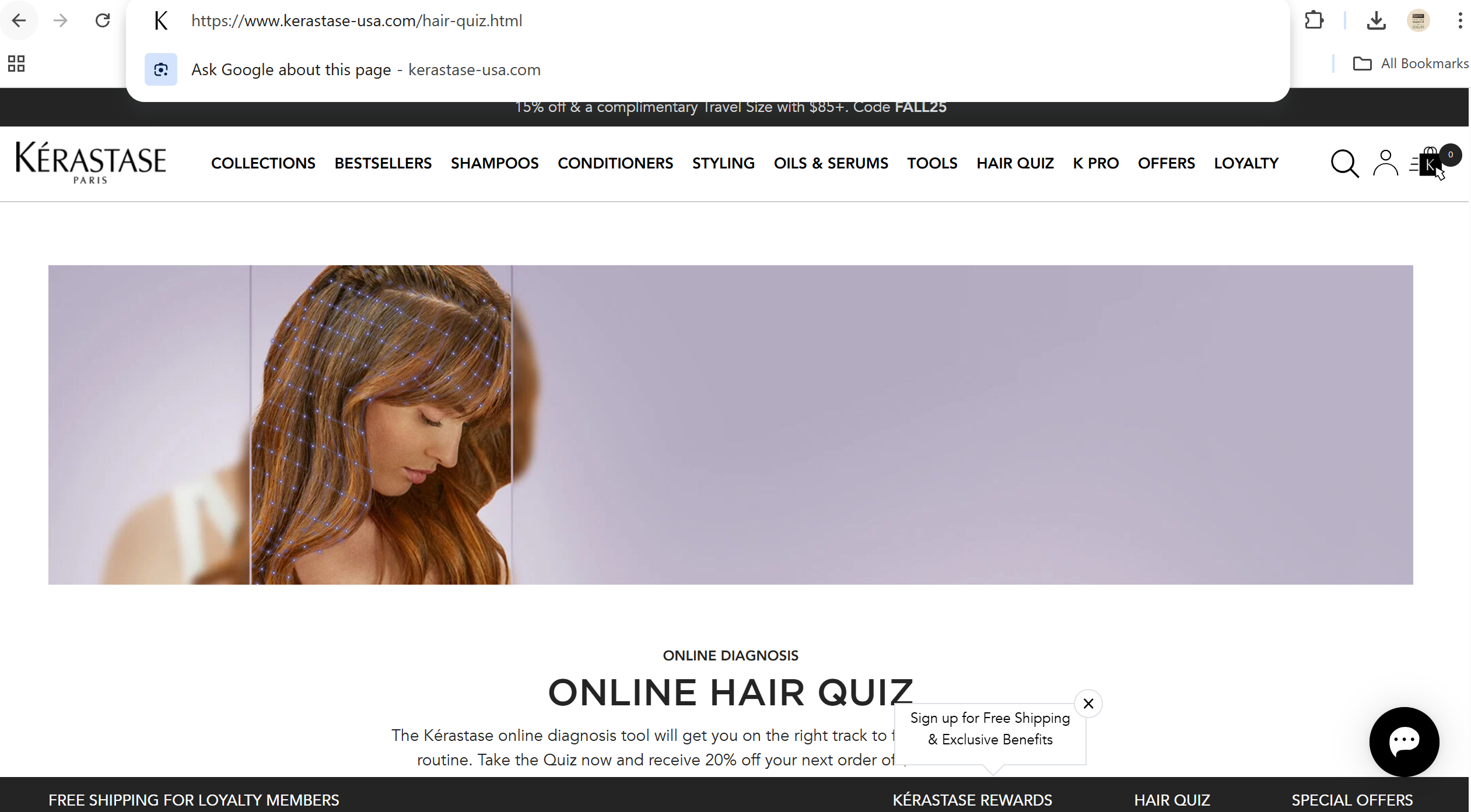
If your vanity URL doesn’t use HTTPS, browsers may flag it as insecure, which can turn users away. Not only does this harm trust, but it could also affect your search rankings.
Best Practice: Ensure that your vanity URLs use HTTPS to encrypt data and secure your users’ information. It’s a crucial step in building trust and complying with Google’s ranking signals:
5. Test, Test, Test Before Launching
Launching a vanity URL can cause broken links and a poor user experience, for which your customers won’t forgive you.
Bad Example: Sharing a vanity URL (e.g., example.com/best-offers) that leads to a 404 error page because it wasn’t tested!
Best Practice: Before sharing a vanity URL, test it across multiple devices, browsers, and scenarios. Make sure it redirects correctly, loads properly, and leads to the intended content. It’s better to catch errors before your audience does.
6. Regularly Update or Retire Old URLs
Don’t leave outdated vanity URLs hanging around. Over time, some URLs may no longer serve their purpose. To make matters worse, if they lead to broken and irrelevant content, they can harm user experience and SEO.
Bad Example: example.com/2018-black-friday-deals will lead to a page with expired offers
Best Practice: Audit your vanity URLs regularly. When campaigns end and offers expire, make it a point to either update the URLs to point to relevant new content or redirect them to your homepage.
Fuel Your Vanity Domains Strategy with Crazy Domains
Granted, building a powerful online presence starts with a vanity URL and ends with the platform being used to support it.
Crazy Domains offers the flexibility and precision you need to create clean, memorable URLs that elevate your brand and simplify your digital experience.
With Crazy Domains, you’re not just registering a domain; you’re investing in a strategic tool that drives traffic, enhances SEO, and boosts engagement. Whether you’re directing customers to a product launch, a special offer, or an exclusive landing page, every vanity URL is an opportunity to make a lasting impression.
So, take your vanity URL strategy to the next level with Crazy Domains, and let every link work harder for your business.
FAQs
What is a vanity domain, and why should I use one in my marketing campaign?
A vanity domain is a custom URL that’s short, memorable, and directly related to your brand or campaign. For example, instead of a long, generic web address, you might create a URL like yourbrand.com/sale. This makes it easier for customers to remember, increases trust, and improves the overall user experience.
How can I create a vanity domain for my campaign?
To create a vanity domain, you’ll need to:
- Choose a domain name that reflects the campaign/product you want to highlight.
- Keep it short, easy to spell, and relevant to your audience.
- Use a reliable domain provider (like Crazy Domains) to register the name and link it to your website or landing page.
Once it’s set up, you can include the vanity domain in your ads, social media posts, emails, and even offline marketing materials.
How do vanity domains improve my campaign’s success?
Vanity domains simplify the process for users to access your campaign, boosting click-through rates. They are easy to share, improve brand visibility, and make your marketing materials look more professional. And let’s not forget, they can improve your SEO if they include relevant keywords.
Should I use a different vanity domain for each campaign or just one?
Realistically speaking, it depends on the scope of your campaigns. For targeted promotions and product launches, creating unique vanity domains for each campaign is a good idea. It keeps things clear and relevant for your audience.
If you’re running more general or ongoing campaigns, you can use a single vanity domain that groups all your offers together, like yourbrand.com/offers.
Are there any best practices for using vanity domains in marketing campaigns?
Yes, there sure are:
- Keep it short: Shorter URLs are easier to remember and share.
- Use relevant keywords: Include keywords related to the campaign to boost SEO.
- Match the experience: Make sure the URL matches the landing page content for a seamless user experience.
- Make it shareable: Ensure your vanity domain is easy to share on social media or in ads.
How do I know if my vanity domain is working?
Monitor how often the vanity domain is clicked and how much traffic it brings to your website.
Make sure you also track conversion rates, whether that’s purchases, sign-ups, or other key actions that indicate campaign success. If your vanity domain is bringing in more clicks and conversions, you know it’s working.