|
Credibility signals shape visibility as trust markers strengthen authority, while experience cues, verification layers, and secure frameworks influence how systems interpret reliability across competitive digital landscapes. |
Search and AI systems have become choosy gatekeepers. Pages that cannot prove their credibility now slip beneath the fold while trusted voices dominate AI summaries and search results. Experience, Expertise, Authoritativeness, and Trustworthiness (E-E-A-T) is the qualitative framework that systems use to decide which sources deserve the spotlight.
For SMEs, enterprises, and digital agencies, mastering E-E-A-T isn’t abstract theory; it is the most direct route to stronger domain authority and resilient visibility. Let’s learn more.
What E-E-A-T Actually Means for Search and AI
E-E-A-T evaluates four intertwined qualities:
- Experience – First-hand knowledge, observations, or use cases
- Expertise – Recognised credentials or deep subject proficiency
- Authoritativeness – Signals that others cite or reference your work
- Trustworthiness – Transparency, accuracy, and safe browsing
Google’s quality raters and learning algorithms use these signals as a lens, not a single toggle, when judging content quality. Pages covering finance, health, or legal advice (YMYL topics) face stricter scrutiny because misleading information can cause real-world harm. When these four qualities align, the reward is two-fold: higher resilience in core updates and increased likelihood of being quoted in emerging AI-generated answers.
How E-E-A-T Influences Domain Authority
Domain authority climbs when E-E-A-T signals convince humans and machines you are worth citing.
- Experience & Expertise → Citations: Original experiments, detailed how-tos and expert bylines prompt journalists and bloggers to reference your work, fuelling high-quality backlinks.
- Authoritativeness → Link Equity: In-depth studies, white papers, and data visualisations become linkable assets that attract editorial links, directly raising domain authority metrics.
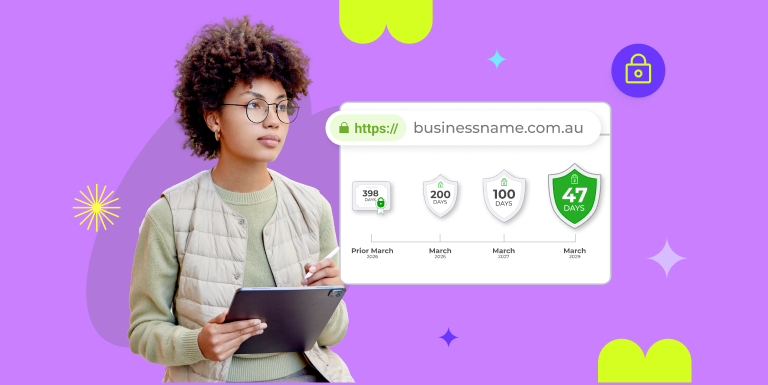
- Trustworthiness → Reduced Friction: A secure site (HTTPS), clear ownership details, and fact-checked references reassure both users and crawlers, increasing dwell time and lowering bounce rates.
AI assistants now surface answers from sources with visible credentials and verifiable citations. Combine topic clusters with linkable research so each new authoritative page funnels equity back to cornerstone hubs through smart internal linking (see the guide on improving domain authority for implementation inspiration).
| Also Read: Boost Your Domain Authority: Proven Strategies to Improve Your Website’s SEO |
Actions That Improve E-E-A-T And Domain Authority
Below is a prioritised action plan that unifies content, technical, and outreach workstreams.
Content & Author Expertise
- Publish first-hand assets. Case studies, original benchmarks, and practitioner journals demonstrate lived experience that AI and humans trust.
- Add author bylines with bios. Each substantive article should feature a 40–80-word bio linking to a dedicated author page listing credentials and social proof.
- Use structured data. Implement the Article and Person schema so crawlers can parse names, titles, and affiliations quickly.
- Create cornerstone hubs. Select three to five core topics and build deep, evergreen pages. Refresh quarterly with new data or field notes to maintain relevance.
- Mandate editorial governance. Enforce a citation policy and human fact-check before publishing. AI can outline drafts, but humans must add the experience layer and approve the final copy.
| Also Read: How to Optimise Long-Form Content for Search Without Keyword Stuffing |
Technical Trust Signals & UX
- Secure and speedy. HTTPS, sub-two-second load times, and mobile responsiveness are baseline trust requirements.
- Surface transparency. Include an easily accessible contact page, editorial policy, and physical address.
- Deploy structured data for the organisation. Mark-up logos, reviews, and FAQ content to earn rich results that reinforce authority.
- Maintain a clean backlink profile. Regularly audit for spammy links and disavow where necessary.
- Strengthen internal equity flow. Link key phrases from blog posts to your cornerstone authority guide on domain authority to consolidate trust signals.
Linkable Assets, Digital PR, and Outreach
- Produce research magnets. Annual industry surveys, trend reports, and interactive tools generate natural backlinks from reputable publications.
- Run targeted digital PR. Pitch findings to journalists, podcasts, and webinar hosts to secure features that pass both authority and referral traffic.
- Align outreach to topic clusters. Point new links to relevant hub pages, not just the homepage, so authority cascades across your core themes.
- Invite external experts. Guest posts and expert quotes diversify credentials and foster reciprocal linking opportunities.
Measuring Progress: Metrics And Priorities
Focus on signals that prove E-E-A-T efforts are influencing authority.
- Leading indicators (30–90 days)
- New backlinks from high-authority domains.
- Mentions in respected industry outlets or newsletters.
- Rising click-through rates on refreshed cornerstone pages.
- Outcome indicators (90+ days)
- Incremental Domain Authority or Domain Rating scores.
- Organic traffic growth across topic clusters.
- Appearances in featured snippets and AI overviews.
| Pro Tip: Track a cohort of three cornerstone pages, monitoring link velocity, ranking movement, and referral mentions monthly. Pair these numbers with qualitative checks—are author pages complete? Is contact information one click away? Align measurement with business KPIs, not vanity metrics. |
Common Pitfalls and How to Avoid Them
- AI overuse without oversight. Unverified machine-written copy erodes trust. Insist on human experience inserts and editor review.
- Tick-box mentality. E-E-A-T is an ecosystem, not a form. Integrate author pages, PR, and tech fixes into one roadmap.
- Quantity over quality links. Ten relevant links from respected sites beat fifty low-tier listings.
- Ignoring technical hygiene. Skipping HTTPS, slow pages, or missing schema undermines all other authority work. Schedule quarterly audits with dev and security teams.
| Pro Tip: Run a quarterly “Experience Audit.” Pick three cornerstone pages and add a 50–150-word first-hand update or mini-case study. These micro-experience boosts are quick wins and often indexed faster than full rewrites. |
Turn Credibility Into Ranking Power
Embedding E-E-A-T across your content, technical stack, and outreach programme creates a self-reinforcing loop: real expertise earns citations, citations lift domain authority, and elevated authority secures durable search and AI visibility. Start by refining three cornerstone pages, publishing author bios, and releasing one linkable research asset.
Crazy Domains provides secure hosting, domain protection, and performance tools that strengthen trust signals and support long-term authority growth for visibility-focused businesses.
Ready to protect the digital real estate that will host your growing authority? Register now on Crazy Domains today and build on a secure foundation that lets your expertise shine.