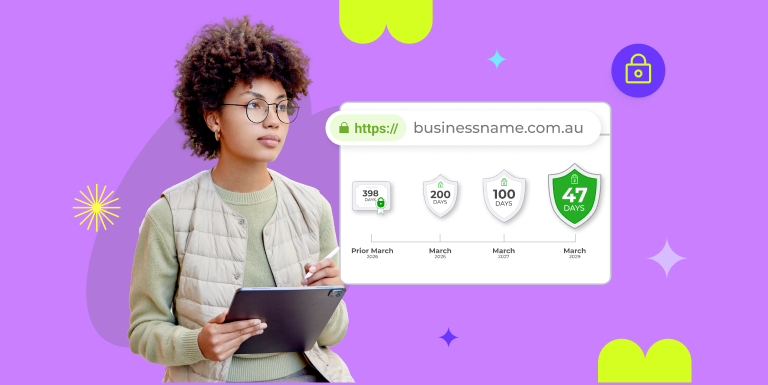
| Domain verification in API-connected email marketing is the process of authenticating a sending domain through DNS records, such as SPF, DKIM, and DMARC, to ensure that messages are trusted and deliverable. With API-driven platforms, verification automates DNS checks, reduces manual errors, and provides real-time reporting to maintain compliance and reputation. This not only improves inbox placement and protects against spoofing but also strengthens brand trust and campaign performance. |
API email marketing enables companies to send campaigns to certain groups of customers. This helps them send emails immediately, personalise them at various points in the customer journey, and integrate them into CRM or e-commerce systems. However, all these advantages are wasted if emails are not delivered.
Spam filters are stricter than ever, and unknown domains are usually flagged as suspicious. This leads to emails getting routed to junk mail or even blocked completely.
Domain verification validates a sending domain through DNS records, including SPF, DKIM, and DMARC. With API-driven platforms, it enhances deliverability, guards brand reputation, and enhances customer engagement.
In this blog, we discuss why verification matters, the tools available, and how businesses can effectively integrate them with API-based platforms.
Why Domain Verification Matters in API Email Marketing
Email providers aim to protect you from phishing, spoofing, and spam. If your emails are from an unverified domain, they are less trustworthy. For companies that use API email marketing platforms, this can undermine even the best-designed campaigns.
Verification provides four essential benefits:
- Inbox Placement: Emails from verified domains are more likely to reach the inbox instead of the spam folder.
- Security: It protects you from malicious actors impersonating your brand.
- Reputation: Authenticated domains establish trust with ISPs, and this enhances long-term deliverability.
- Performance: Better inbox placement leads to better open and click-through rates.
For example, a store with an API-driven cart abandonment campaign experienced increased engagement after implementing SPF and DKIM, as their emails were no longer being marked as spam.
| Also Read: 7 Low-Cost Ways to Promote Your Small Business |
Key Domain Verification Tools and Methods
Companies can utilise various domain authentication techniques for email marketing. The most popular are:
- SPF (Sender Policy Framework): Determines which servers are permitted to deliver emails.
- DKIM (DomainKeys Identified Mail): Adds a digitally encrypted signature to every message, ensuring that the email is not altered.
- DMARC (Domain-based Message Authentication, Reporting, and Conformance): Works in conjunction with SPF and DKIM to instruct receiving servers on how to handle unauthenticated email.
- DNS Verification APIs: Automate the process of adding and verifying DNS records for faster setup.
- Certificate-Based Verification: Used in business environments where more trust is required.
| Pro Tip: Use solutions like MXToolbox to ensure records are set up properly before sending a campaign. Misconfiguration will send a campaign to spam. |
How API-Connected Platforms Use Verification
API-connected email marketing platforms enhance verification efficiency by integrating directly with DNS systems. This means businesses do not need to manually configure every change; APIs handle much of the work.
- Tools like Mailchimp, HubSpot, and SendGrid offer automated verification through APIs that verify the proper configuration of SPF, DKIM, and DMARC records.
- When businesses create a new campaign subdomain, API verification can verify records immediately without any human intervention.
- Some platforms also provide real-time reporting through APIs, alerting businesses to potential authentication failures before they impact campaigns.
| Pro Tip: Manual DNS edits are error-prone. Utilise APIs to automatically push updates, minimising downtime and ensuring records remain current across all campaigns. |
Benefits of Using Verification Tools
The advantages of domain verification tools go beyond technical compliance. For businesses that are going all-in on email marketing at scale, the return is:
- Improved inbox placement and fewer opportunities to be flagged as spam.
- Brand spoofing and anti-spam email protection.
- Enhanced sender reputation with email providers and ISPs.
- More reliable analytics, since fewer emails are filtered or rejected.
- Increased customer trust, as verified emails display more consistently with security indicators.
Implementation Considerations for Businesses
Businesses across regions face common challenges when implementing domain verification:
- Strict ISP Filters: Many internet providers block or filter unverified domains aggressively, making verification essential to ensure inbox delivery.
- Regulatory Compliance: From Australia’s Spam Act 2003 to Europe’s GDPR, businesses must comply with laws on consent and sender identification. Domain authentication supports these requirements.
- DNS Propagation Times: Local hosting and DNS management help expedite record validation and minimise delays.
- Balancing Simplicity and Security: Begin with SPF and DKIM for coverage, then expand to DMARC for full security.
- Scalability: Select platforms and tools that scale with your campaigns, without compromising performance as volumes increase.
| Also Read: How to Identify Your Target Audience and Market Effectively Online |
Best Practices for Domain Verification in API Email Marketing
To maximise verification tool usage, companies must adhere to best practices:
- Regularly verify DNS records to make certain they’re valid and up-to-date.
- Periodically rotate DKIM keys for stronger encryption.
- Get SPF, DKIM, and DMARC policies aligned to coexist rather than conflict.
- Use inbox placement testing tools to execute campaigns before going live.
- Automate verification updates through APIs to minimise the risk of errors during updates.
Keep Campaigns Secure and Deliverable with Crazy Domains
Domain authentication is no longer an option for API-based email marketing. It is the foundation of deliverability, compliance, and brand security. Without it, even the most advanced campaigns will be instantly directed to spam folders.
By leveraging the proper tools and APIs to automate authentication, companies can secure their campaigns, enhance customer interaction, and grow sustainably.
Manage your domains with Crazy Domains to simplify verification and enhance your API email marketing endeavours. We help you build trust, improve deliverability, and grow your business with confidence. Get started today!