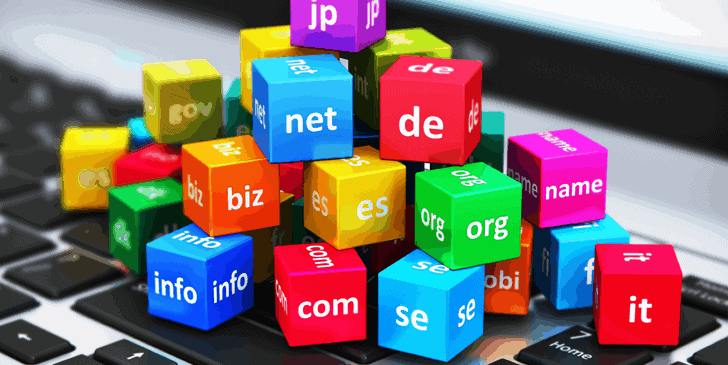
Choosing between a country-level domain (like .au, .sg, .uk) and a more universal one isn’t always straightforward.
As a site owner, you’re probably aware of how important domain decisions can be for your SEO. But should you stick with a global domain, or opt for something that speaks directly to a specific region?
There’s a definite strategy behind both options. Keeping everything on one root domain can give you a nice SEO advantage. The more content you have under the same domain, the more authority it builds, which helps your pages get indexed and ranked.
But there’s also a strong case for using country-specific TLDs when you’re focusing on local markets. A. co.uk, for example, can give you an edge in local search results in the UK—something a .com or .de domain might not do as effectively.
In this blog, we’ll explore the impact country-level domains have on your SEO efforts and when it makes sense to go down that path.
What Are Country-Level Domains?
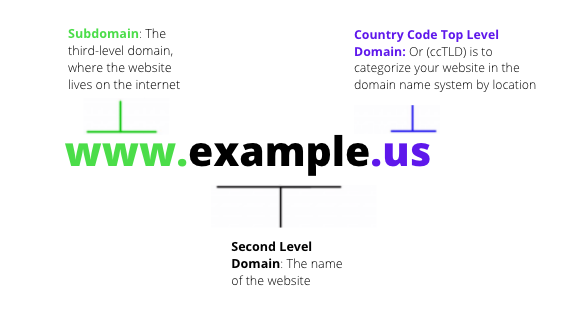
A country code top-level domain (ccTLD) is a DNS suffix made up of two letters that are hardwired to a specific country.
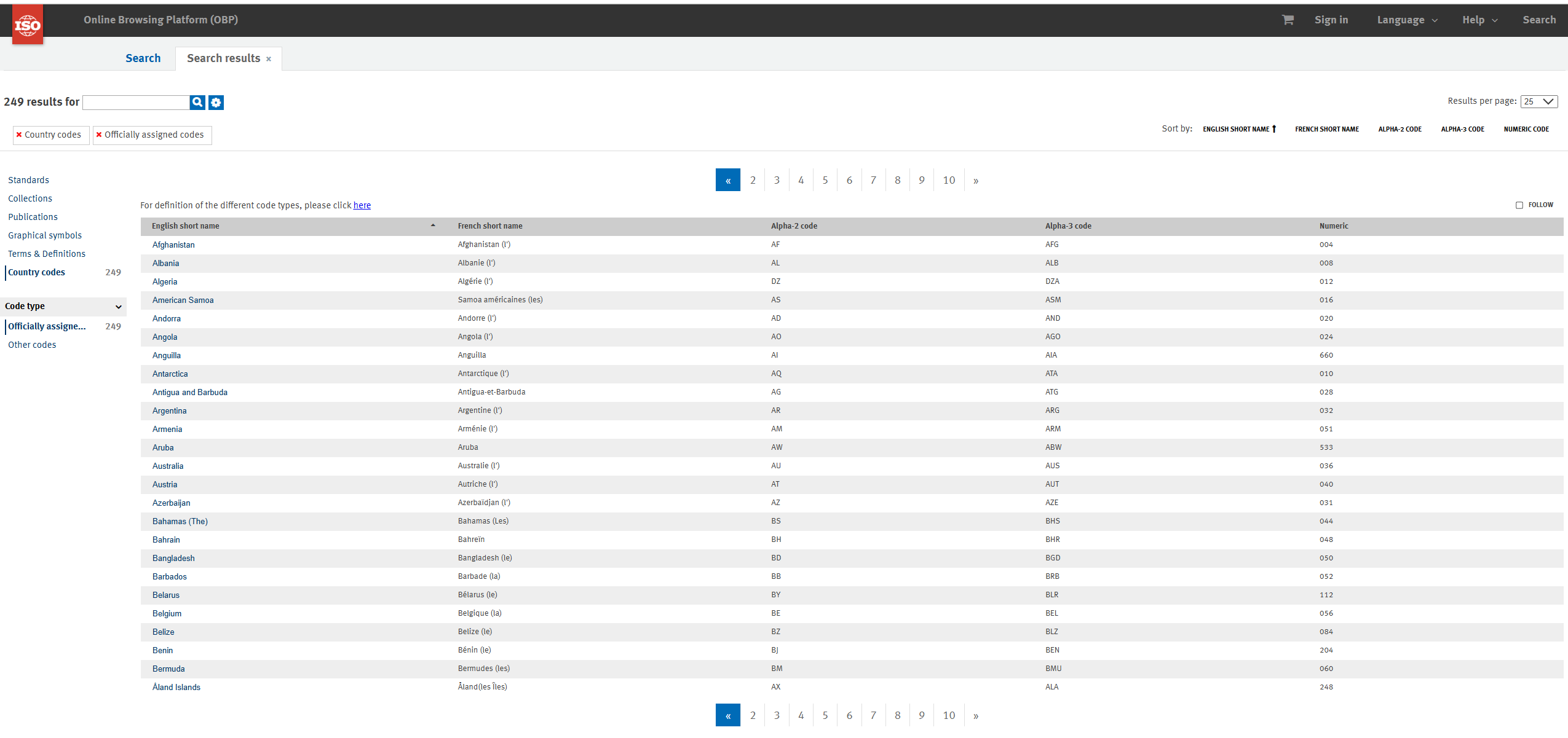
Some common examples you might have come across include .uk, .sa, .sg, .us, etc. These domain names are drawn from ISO’s 3166-1 list:
Country-level domains are embedded within the global DNS system and are overseen by IANA, the organisation that governs the core framework directing internet traffic.
But mind you, control doesn’t sit with IANA, though. Each ccTLD is handed off to a government-affiliated registry or delegated authority who:
- sets the rules
- enforces compliance
- handles zone operations
This means policies differ wildly between ccTLDs: some are locked down, some are wide open, and some operate more like local real estate markets than technical namespaces.
Functionally, ccTLDs do two things:
- Anchor a domain to a physical region (for both users and machines)
- Signal location-specific intent, which matters for regulatory, linguistic, and search engine reasons
The takeaway: Country-level domains focus less on identity and more on directing traffic, building trust, and matching locations in systems that depend on IP location and domain rules.
When Should You Use Country-Level Domains?
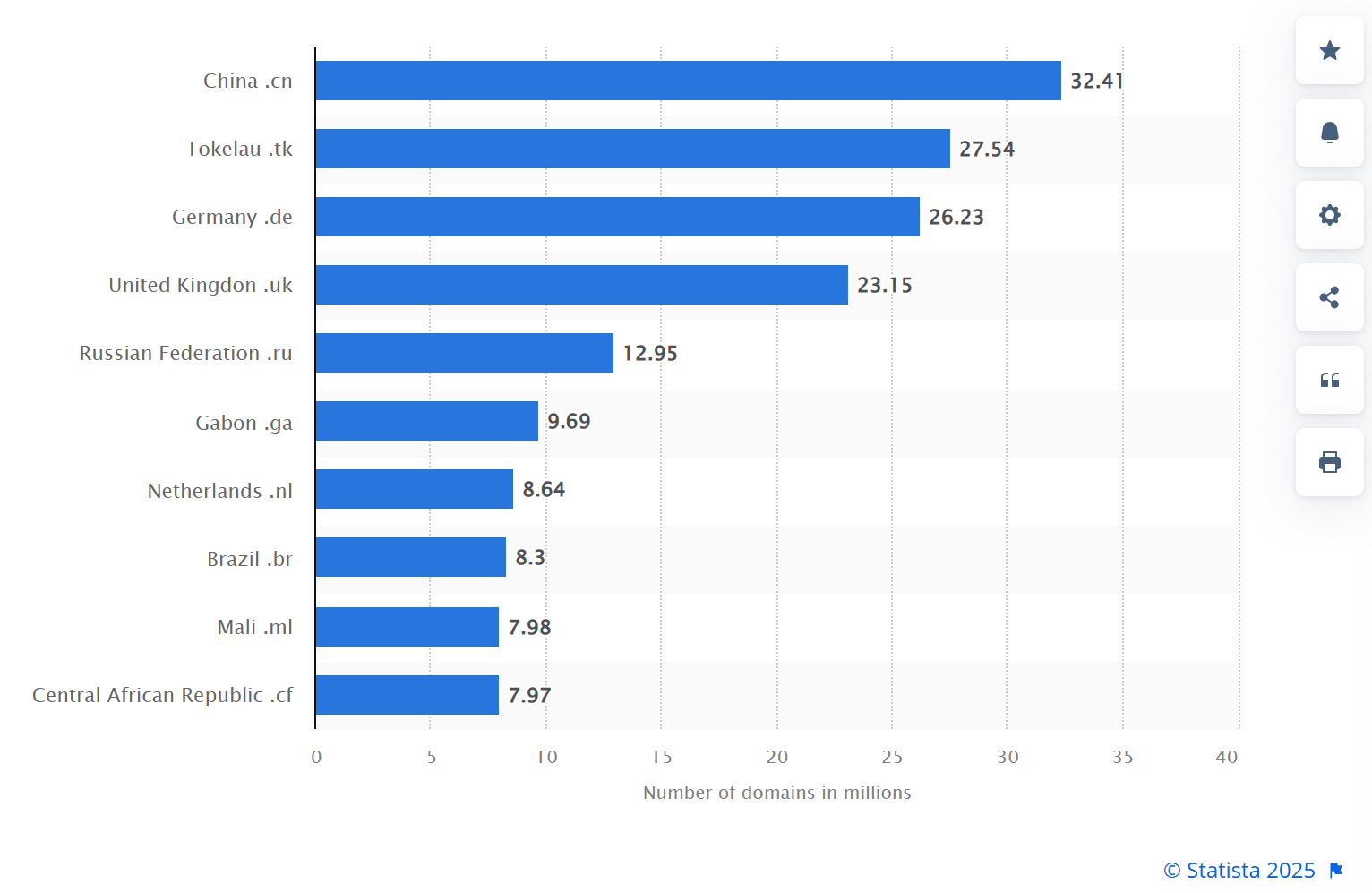
Wondering what some of the most common country-level domains are? Research indicates .cn (China) was the most used country-level domain, with about 32.4 million registrations. Surprisingly, .tk (Tokelau) came next, with around 27.5 million domains registered.
But the real question remains: When should you go for country-level domains?
Well, if your business operates in a specific country and you want to show up prominently in that market’s search results, using a country-level domain (ccTLD) is often the clearest move you can make.
ccTLDs like .au, .ae, .de, or .fr send a strong signal to search engines and users alike: this site belongs here.
Sure, you’re stating your location, and you’re anchoring your domain to a region. That matters if you’re trying to build trust locally, rank in local search, and work within country-specific regulations, as well as hosting setups.
Here’s how to know if a ccTLD is right for your setup:
Use a ccTLD when you only serve one country
If your product/service is limited to a single country, there’s no real upside to diluting your domain authority across global markets.
A ccTLD locks your visibility into that one region, which in this case is exactly what you want:
- Your site is treated as locally relevant by search engines.
- Customers tend to trust domains that look familiar in their region.
- You avoid competing in global search spaces where you don’t need to.
Use case example:
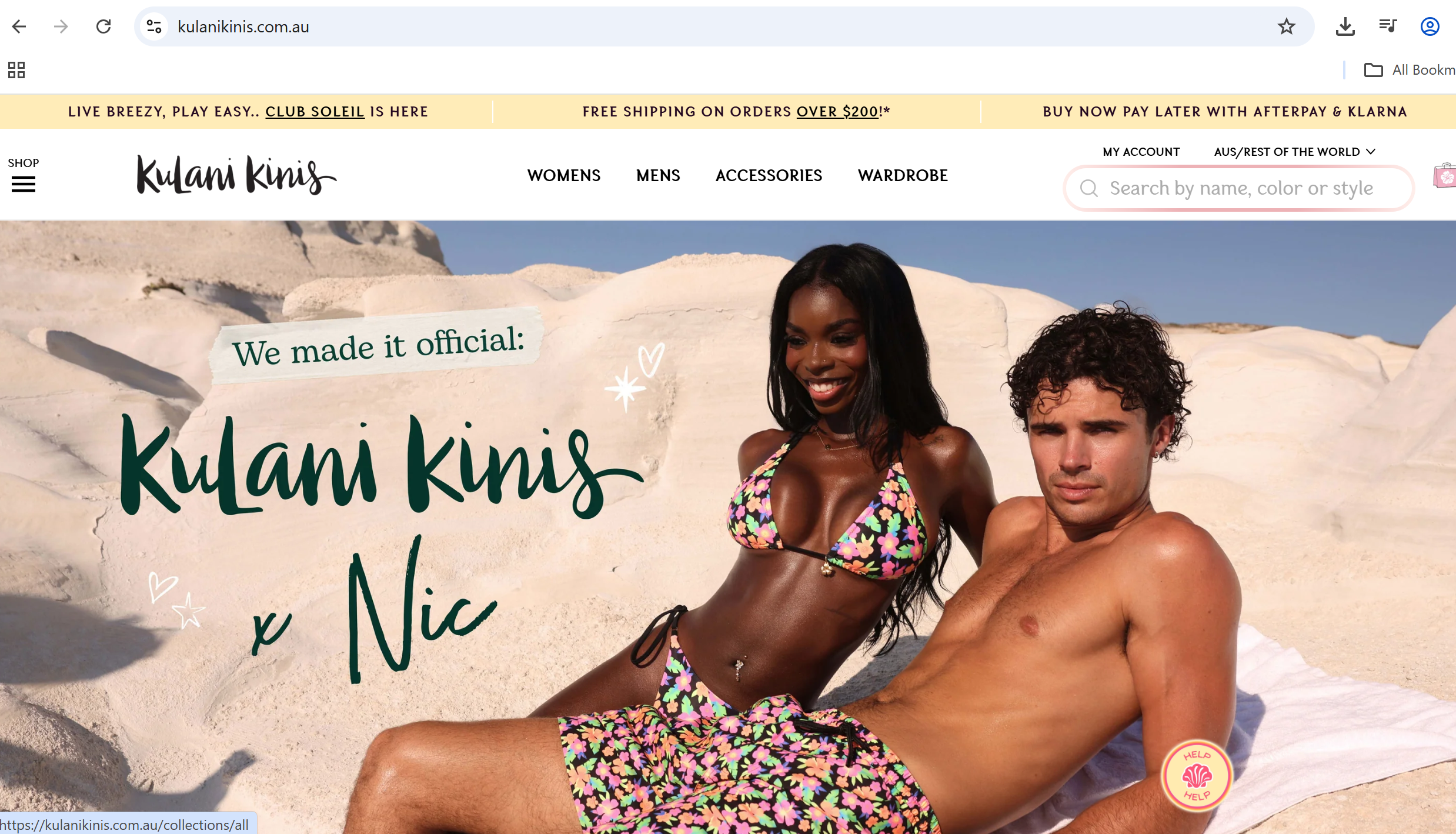
- An Australian-based swimwear brand using .au
- A national government site using .gov.uk.
- A regional eCommerce brand focused entirely on the French market using .fr.
Use a ccTLD when local SEO is a priority.
If you’re relying on organic traffic from local search terms, especially on mobile, then a ccTLD can give you a ranking advantage:
- You appear more prominently in country-specific Google versions (like google.co.uk).
- Your domain is more likely to be seen as relevant to users searching within that country.
- Google’s geo-targeting tools have become less necessary since the domain already carries the signal.
Pro Tip: Search engines use a variety of location cues, and ccTLD is one of the strongest.
Use a ccTLD when domain availability is an issue.
Sometimes, your preferred .com is already taken, or it’s locked behind a high resale price. Luckily, local TLDs often have more availability and fewer squatters. You know what this means, right? You get more freedom to pick a short, memorable name, and within your budget! Other advantages include:
- Easier to secure clean, on-brand domain names.
- Less cluttered namespace, especially for newer and niche industries
- A regional TLD can reinforce your brand identity if you’re already known locally
Use a ccTLD when your brand is region-specific.
If your entire brand story is tied to a place, meaning its culture, its language, and its market, a ccTLD reinforces that identity without being too brash.
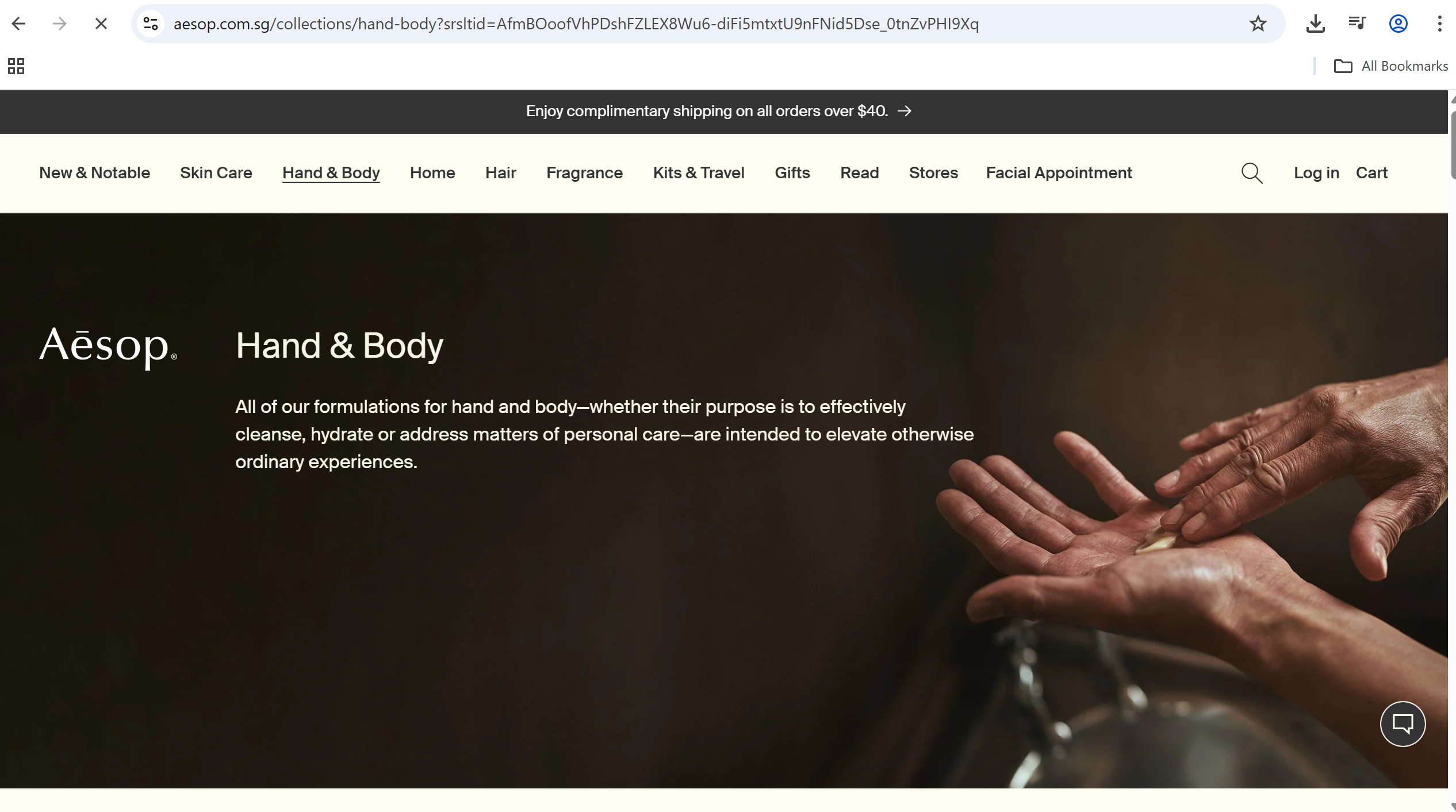
For instance, a homegrown skincare brand in Singapore choosing .sg signals local roots and relevance.
The end goal is this: You don’t need to explain where you operate, as the domain already does that job for you!
Use a ccTLD when legal, tax, and data rules apply by region.
You need to follow the laws where your users live, and that’s where ccTLDs can simplify things. If you’re handling personal data, processing payments, and offering services that are regulated country by country, it’s safer to operate under a local domain.
With a ccTLD, you can:
- Keep user data, payment systems, and legal terms contained within the country they apply to
- Reduce the risk of running into cross-border compliance issues
- Establish credibility, especially in countries where ccTLDs require proof of local presence
7 Benefits of Country-Level Domains Too Important to Ignore
When it comes to picking the right domain, the decision between a global TLD (like .com) and a country-specific one can feel like a choice between convenience and strategic advantage.
And more often than not, it’s easy to vie for .com, which remains to be the most popular top-level domain globally:
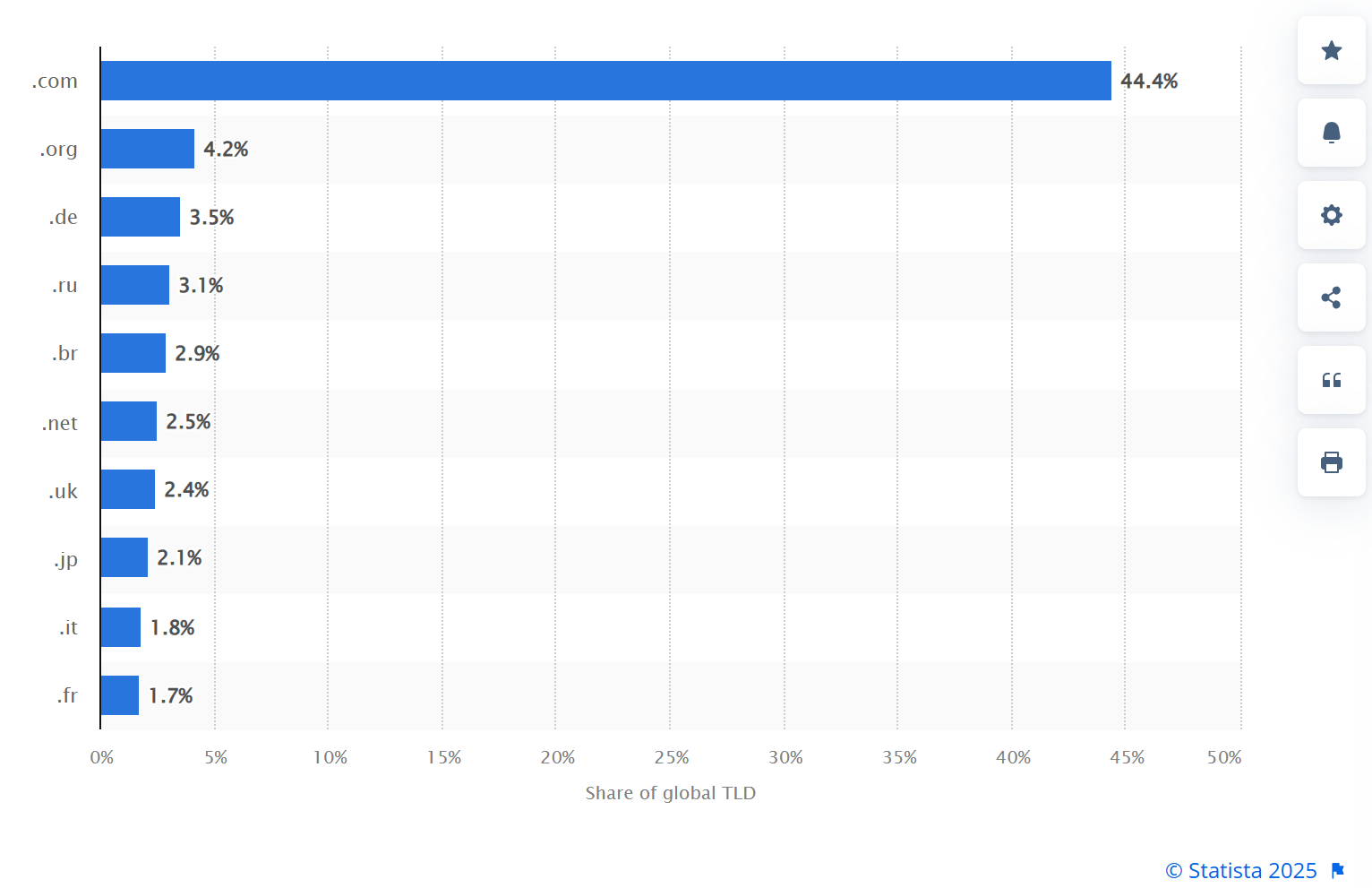
However, a .com domain may not always be the right choice for your brand.
You may want to consider a country-specific domain, especially if you want to cater to a more local target audience.
For businesses focused on particular regions, country-level domains such as .au, .sg, or .uk can do wonders for SEO, local presence, and even user trust.
Let’s dive into how these regional domains can give you the edge in ways you might not have expected.
1. Offers A Clear Advantage for Local SEO
Country-level domains communicate to search engines about your website’s relevance to a specific region:
- Local Advantage: Search engines like Google automatically recognise ccTLDs (think: .de for Germany, .ca for Canada, etc.) as being highly relevant to users in those countries. Plus, people are more likely to trust a business that seems local, as they associate regional domains with companies that understand the local market. In turn, this trust translates into higher conversion rates, longer site visits, and better engagement.
- Simplified SEO: You don’t need to rely on complex geo-targeting techniques. The domain itself acts as a strong SEO indicator for local markets.
Pro Tip: With ccTLDs, you don’t need to rely heavily on geo-targeting tools and additional SEO tricks to indicate where you operate. Your domain is already sending a strong signal to search engines, making your SEO strategy more straightforward and effective.
2. Strengthens Trust and Familiarity
When users see a domain like .com.au or .co.uk, it immediately establishes familiarity.
Having a country-level domain is essentially about creating a bond with customers. They’re more likely to feel that your business is aligned with their needs, culture, and values. For businesses focused on regional markets, this is an undeniable advantage.
3. Improves User Experience with Faster Load Times
A domain tied to a specific country is often hosted closer to your target audience, which leads to faster load times. This is not just a user experience benefit but also an SEO boost:
- Better SEO: Since page speed is a ranking factor for Google, faster load times can give you an additional SEO boost.
- Faster Load Times: Hosting in the same country as your primary user base reduces latency and improves page load speeds:
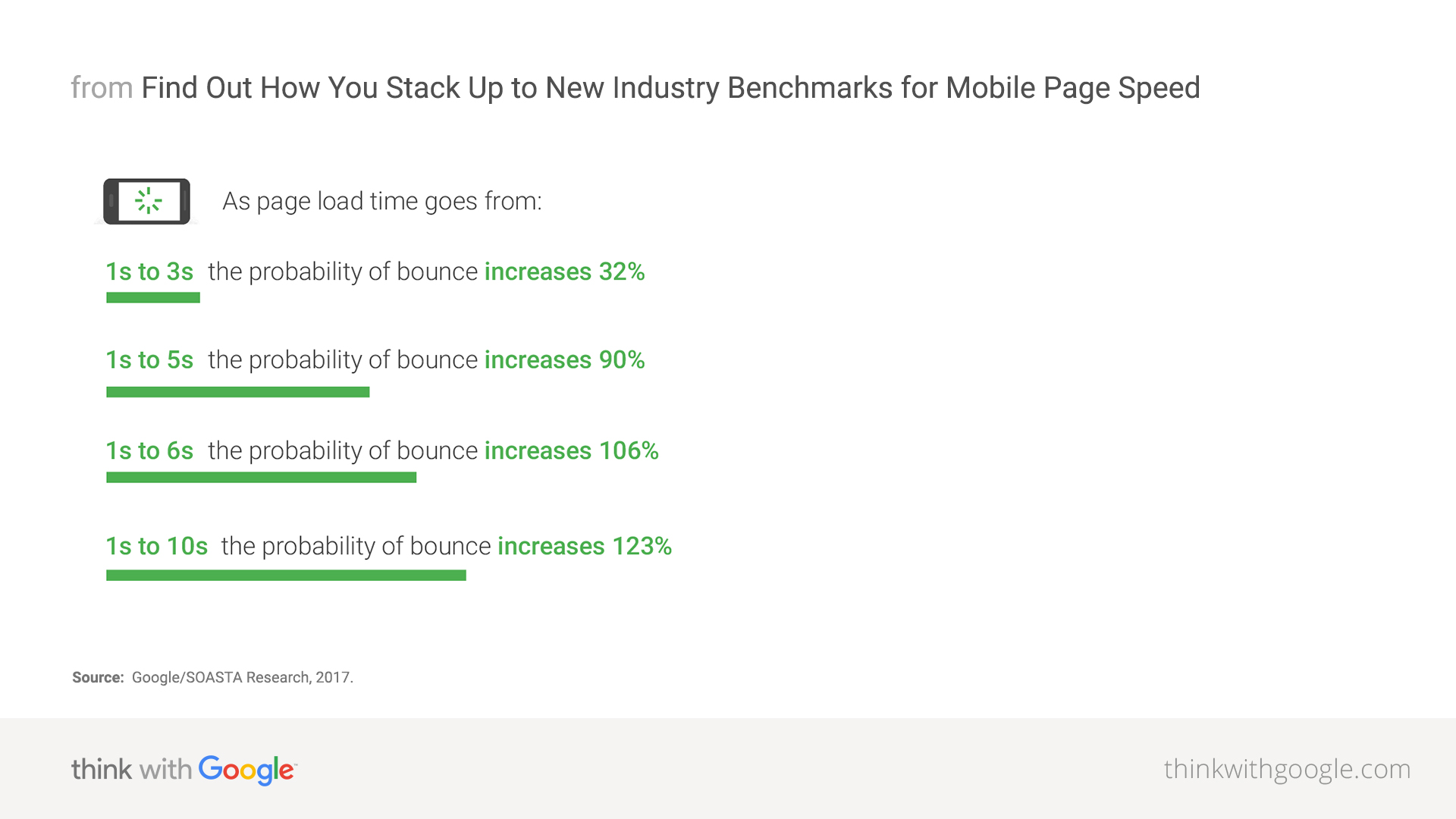
When visitors experience quicker load times, they are more likely to stick around longer. This reduces bounce rates and can even increase conversions, as users will appreciate the ease of access to your content. For local customers, a seamless website experience will also strengthen their trust and increase the likelihood that they’ll return.
4. Allows You to Get Creative with Your Domain Name
It’s getting increasingly difficult to secure short, catchy, and relevant .com domain names. Many are either already taken or priced far beyond what you might want to spend. This is where ccTLDs shine, in terms of:
- Greater availability: Country-level domains often have more available options, and as such, allow you to create a short, catchy name that matches your branding.
- Improved brand Identity: A .fr or .de domain reinforces your brand’s regional identity and makes it easier for customers to remember (and find) you.
With a country-level domain, you can stand out in a less crowded space and choose a name that truly represents your business.
5. Simplifies Legal and Regulatory Compliance
If your business operates in multiple countries, each may have different laws surrounding data protection, privacy, and eCommerce:
- Regional Compliance: A country-level domain simplifies compliance because it aligns your site with the laws and regulations of that specific country. This is particularly important if you’re handling sensitive customer data, processing payments, and offering regulated services. For example, in the European Union, the GDPR (General Data Protection Regulation) places strict rules on data collection and storage. A .eu or .de domain tells both users and regulators that your business complies with local data protection standards, providing peace of mind for both parties.
- Reduced Risk: Operating under a ccTLD that aligns with the country’s legal requirements helps ensure you stay compliant and avoid potential legal issues.
6. Boosts Visibility in Local Directories and Local Search Engines
Local business directories often prioritise listings with a country-level domain. This alone gives your business an edge when users search through those platforms:
- Higher trust: These directories are often the go-to place for local customers who want to find trusted businesses in their area.
- Improved visibility: With a country-specific domain, you have a better chance of appearing in these directories and showing up in searches that matter to your target audience.
If your business is listed in local directories, having a country-level domain increases your chances of being found by users in your target market.
7. Reinforces Your Local Brand Identity
Your domain speaks volumes about your brand’s roots.
If your business operates exclusively in a particular region, using a country-level domain:
- Strengthens Local Connection: If your business is heavily tied to a specific country’s culture, language, or market, a ccTLD reinforces this identity.
- Reinforces Cultural Relevance: Using a country-level domain shows that your brand is rooted in that location. This, by extension, makes it more relatable to customers.
Pro tip: ccTLD is about cultural alignment. A Singapore-based tech startup using a .sg domain immediately communicates that it’s a local business, not a foreign entity trying to enter the market. This reinforces trust and brand loyalty among customers who prefer dealing with homegrown companies.
The takeaway: Country-level domains are about strategy. If your brand is focused on a specific country, these domains are a smart choice that directly benefits your online presence and long-term growth.
What’s the Impact of Country-Level Domains on World Domain SEO?
When you launch a website, the domain you choose can play a massive role in how well it ranks on search engines.
In fact, they can even make a significant difference when it comes to search rankings, user trust, and even legal compliance.
Let’s break down the specific impacts they can have on your SEO strategy:
At a Glance: The Impact of Country-Level Domains on SEO
Benefit |
Impact of Country Level Domain |
How It Helps SEO |
| Local SEO Advantage | ccTLDs like .de, .fr, or .uk signal to search engines that your site is relevant to users in specific regions | Helps improve rankings in local search results and removes the need for additional geo-targeting |
| Trust and Familiarity | Users are more likely to trust a website with a ccTLD for their country, such as .ca or .co.uk, because it feels more authentic and local | Increases engagement and conversions as users feel more comfortable interacting with a local brand |
| Improved User Experience | Hosting your website in a country that matches your ccTLD reduces latency and improves page load times | Faster load times result in better user experience, reduced bounce rates, and higher SEO rankings due to Google’s emphasis on page speed |
| Better Branding Opportunities | ccTLDs give you access to a larger pool of available domain names, allowing for a unique, brand-specific domain | Easier to create a short, memorable domain name that aligns with your business while strengthening local brand identity |
| Simplified Legal Compliance | Aligning with local regulations such as GDPR in Europe can be easier when using a ccTLD, like .eu or .de, which signals compliance with local laws | Helps with legal compliance and reduces the risk of running afoul of local data protection or eCommerce laws, especially in sensitive industries |
| Visibility in Local Directories | Local business directories prefer ccTLDs in their listings, thus, boosting visibility in local searches and enhancing SEO for region-specific queries | Increased chances of being listed in regional directories, and drives traffic as well as improves local SEO rankings |
| Cultural and Regional Relevance | ccTLDs help strengthen the connection between your brand and local culture | Reinforces brand identity and customer loyalty, increasing local market share and engagement with content that speaks directly to the audience |
4 Examples of Country-Level Domains and What They Are Doing Right
1. Argos – .co.uk (United Kingdom)
Argos is an established name in the UK retail market, and its use of the .co.uk domain gives it a significant advantage in both local SEO and customer trust:
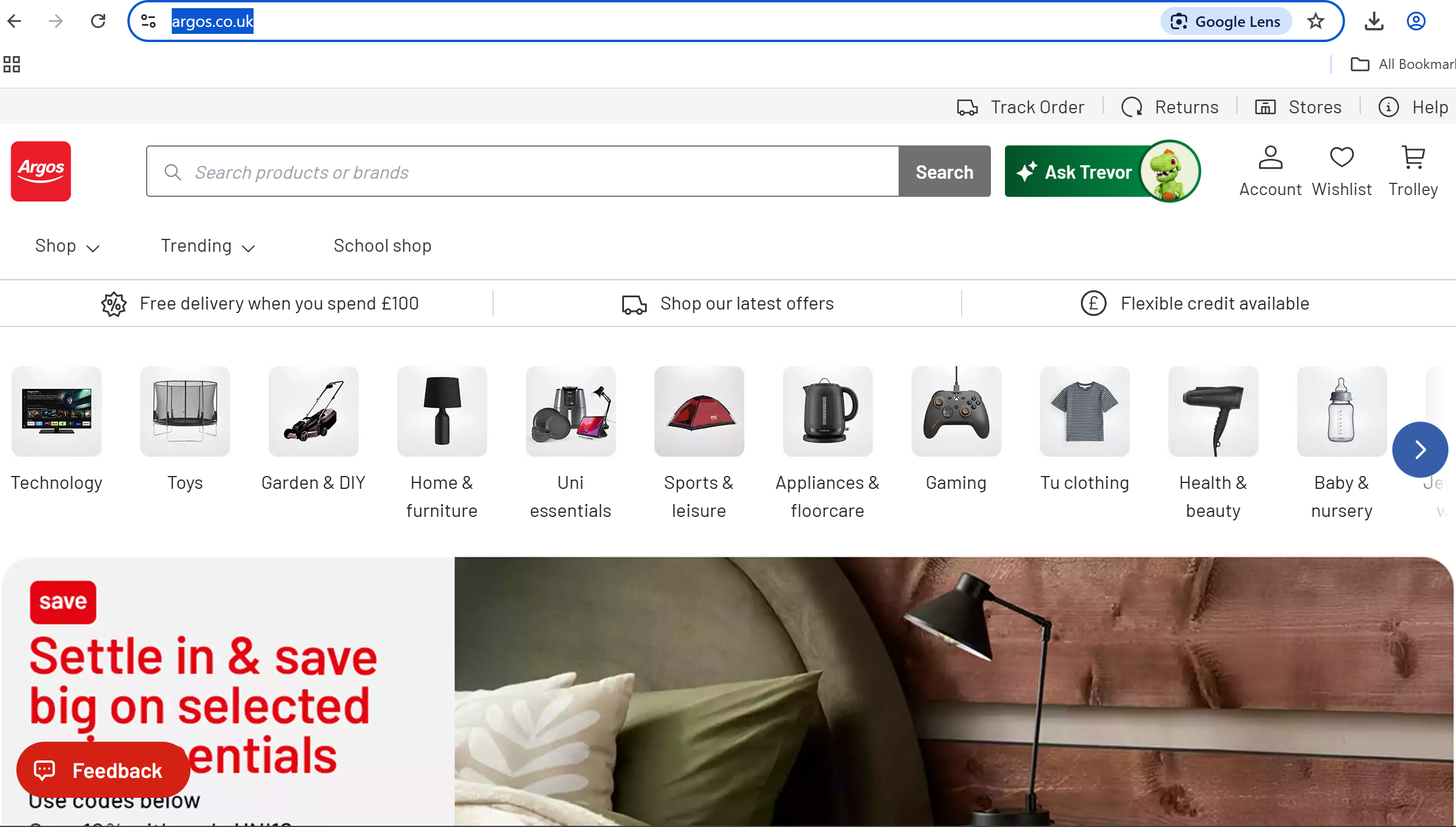
What They’re Doing Right:
- Localised SEO Advantage: Search engines like Google treat .co.uk domains as specifically relevant to UK-based users. Argos benefits from better rankings in UK search results without relying on additional geo-targeting methods.
- Consumer Trust: In the UK, shoppers are naturally inclined to trust local retailers. The .co.uk TLD reinforces Argos as a homegrown business and makes it familiar and accessible. This translates directly into higher conversion rates and better engagement from the UK audience.
- Clear Communication: With .co.uk, the message is clear — Argos is not just a retail brand, but a UK brand. Customers instantly understand that they are engaging with a local company, which can often make the difference between making a purchase or not.
2. Baidu – .cn (China)
Baidu, China’s leading search engine, thrives because of its .cn domain. This ccTL is a strategic move that impacts the company’s visibility and compliance:
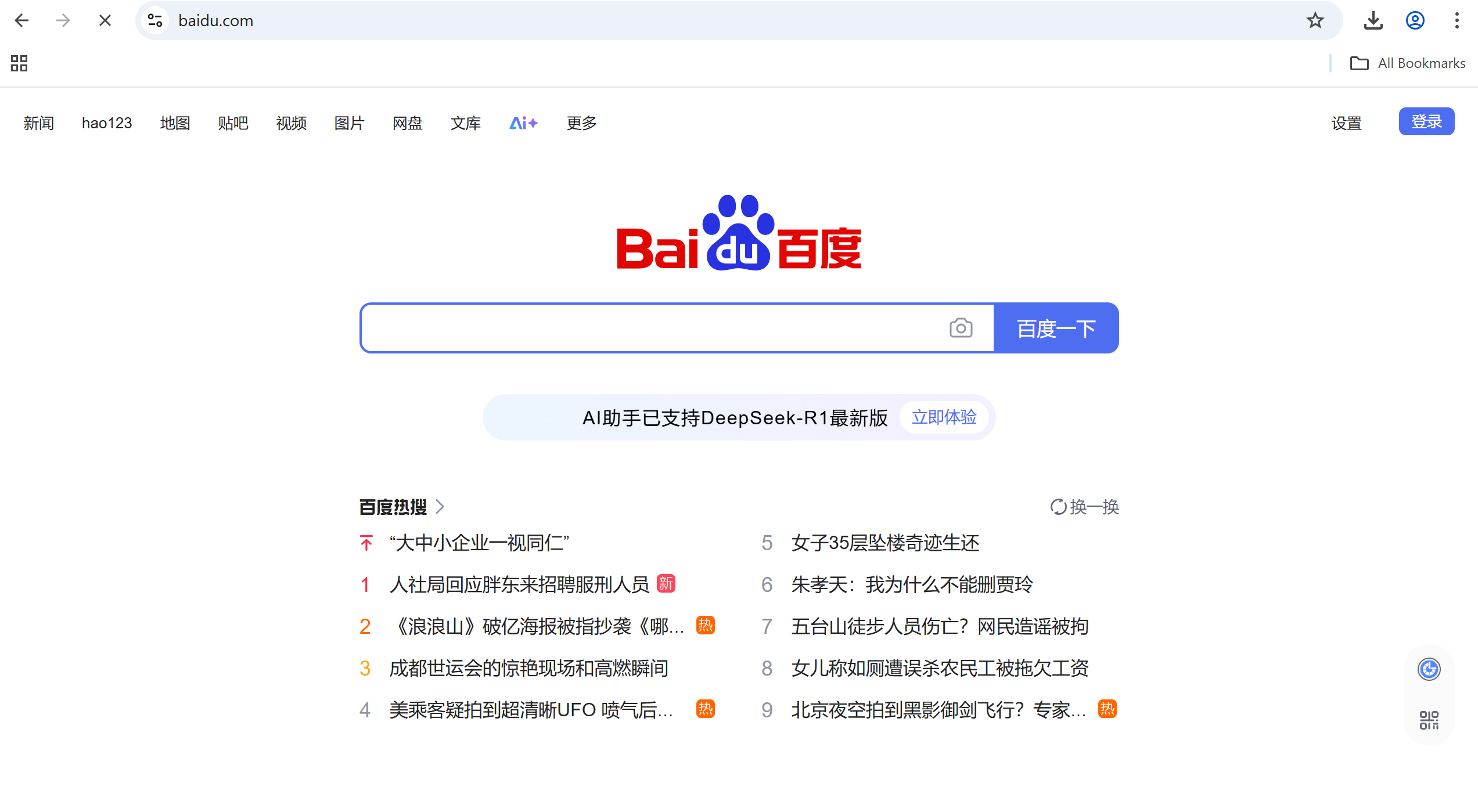
What They’re Doing Right:
- Maximised Local Reach: In China, Baidu holds a dominant position in the search engine market. Its .cn domain signals to both search engines and users that it is Chinese, which is essential in a market like China where trust in local companies is critical.
- Geo-Targeting Advantage: Baidu doesn’t have to compete with global search engines like Google for local rankings. The .cn TLD helps Baidu dominate search results, specifically for Chinese users.
- Cultural Fit and Regulation: Chinese internet policies are strict. By using .cn, Baidu ensures compliance with local regulations. This minimises the risk of government scrutiny and builds confidence among users who want to engage with a platform that understands their local needs.
Actionable takeaway: When operating in highly regulated markets, using a ccTLD tied to that country, like .cn in China, helps ensure legal compliance. It also boosts your SEO and makes it easier to rank locally.
3. Lazada – .sg (Singapore)
Lazada, a leader in Southeast Asian e-commerce, utilises the .sg domain to boost its presence in Singapore, its largest market:
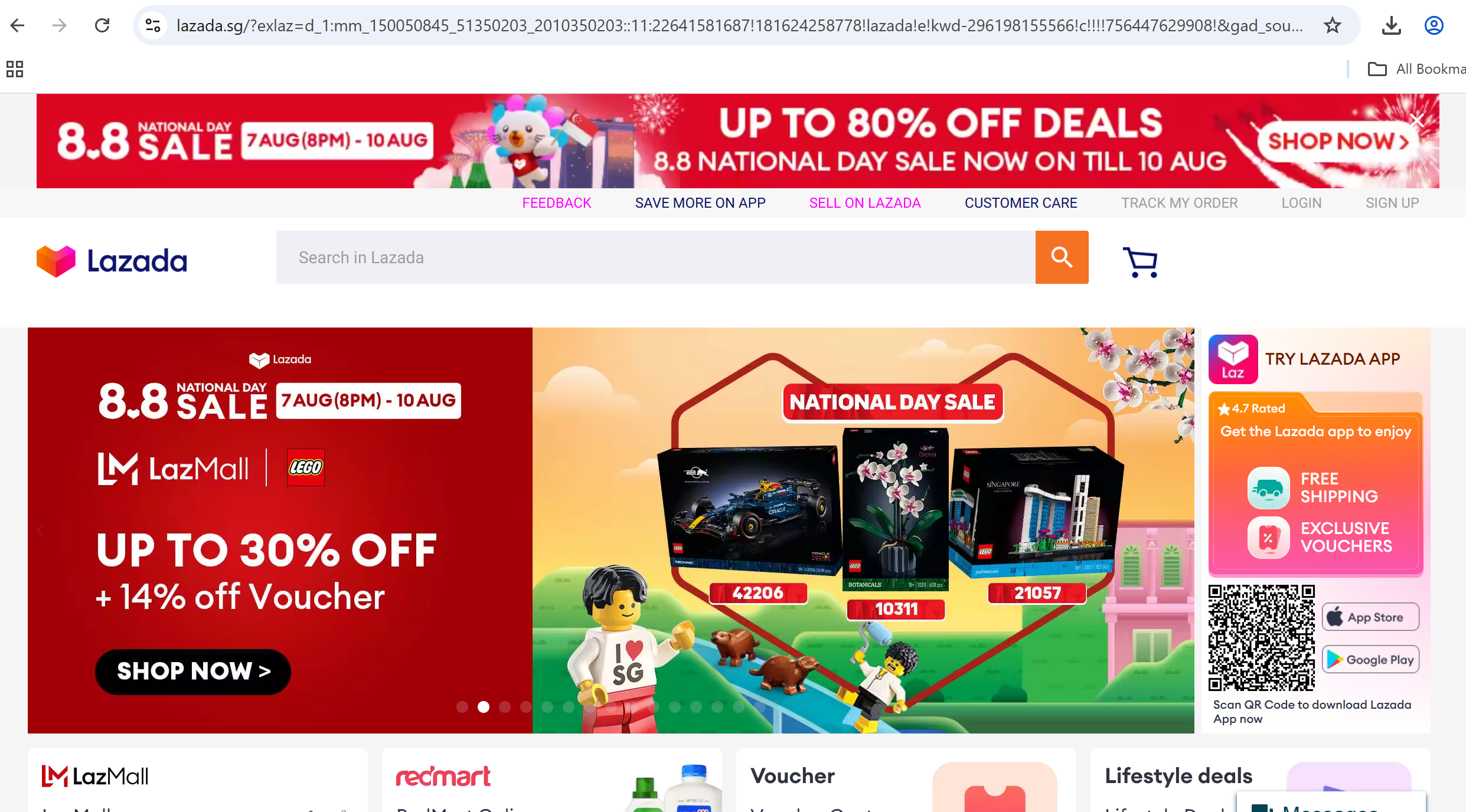
What They’re Doing Right:
- Hyper-localisation: Lazada’s use of .sg makes the site inherently relevant to Singaporeans. The domain instantly establishes Lazada as a key player in the local e-commerce scene. Customers are more likely to buy from a .sg website because it feels closer to home.
- Optimised for Local Search Engines: Singaporeans trust .sg-based eCommerce platforms. Since Lazada operates with a .sg domain, it enjoys higher search visibility on Singaporean search engines, including Google.com.sg.
- Clear Market Focus: With .sg, Lazada is not just another regional player. They’re positioning themselves as deeply integrated into the Singaporean market, both in terms of product offerings and cultural understanding. This leads to better user experience and customer loyalty.
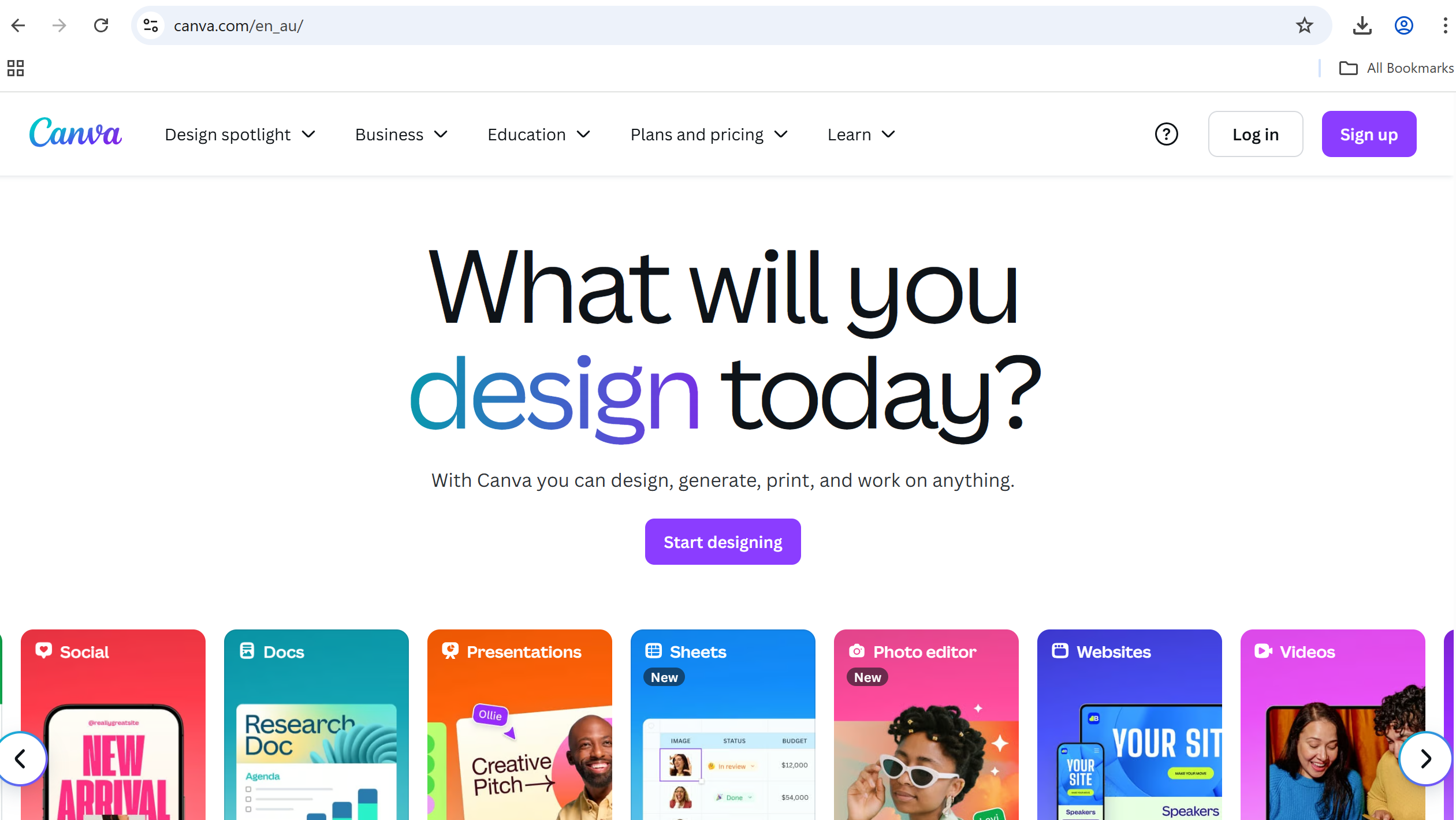
4. Canva – .com.au (Australia)
Canva, a globally recognised design platform, is no stranger to the benefits of a .com.au domain. This is a smart choice as it helps the brand stay relevant in Australia, where a local touch can influence success:
What They’re Doing Right:
- Enhanced Local Relevance: Canva’s .com.au domain helps boost local SEO rankings in Australia. When Australians search for design tools and templates, Canva is automatically prioritised. This makes it more likely for Australian customers to choose it over other global platforms.
- Reinforced Trust: .com.au instantly positions Canva as an Australian entity. It builds trust with users who are more comfortable engaging with businesses that share their location and culture. This simple yet powerful detail can drastically improve conversion rates.
- User Experience Optimisation: Australians visiting Canva’s site expect an experience tailored to them. The .com.au domain reinforces that expectation and ensures local content, currency, and services.
Boost Local SEO with Country-Level Domains
Choosing country-level domains is as much about boosting your SEO as it is about creating a local presence that resonates with your audience.
Country-level domains (like .au, .sg, .uk) are no longer optional for businesses focused on regional growth. You must view them as a strategic move that positions you as a local leader in an increasingly competitive space.
The benefits are clear: better SEO, stronger user trust, quicker load times, and regulatory alignment. And as markets become more fragmented, country-level TLDs ensure your brand stands out where it matters most.
And to help you make that decision, Crazy Domains offers the perfect country-level domains that can align with your business goals. With a wide range of options, seamless registration, and excellent customer support, you can gain a localised digital edge that global TLDs simply can’t offer. Sign up now!