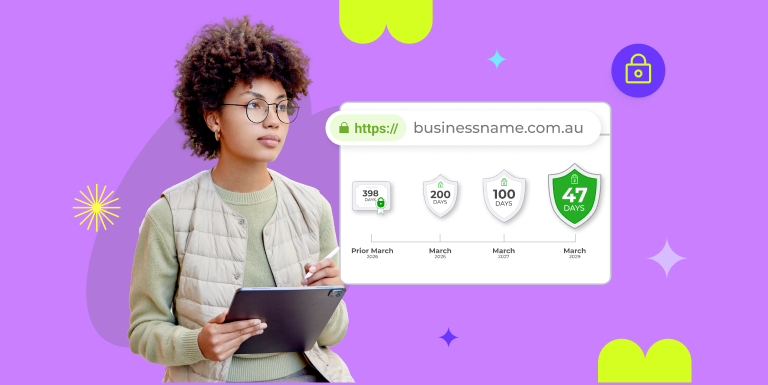
| A web application firewall is an instrument that oversees, checks, and stops harmful traffic from your site or web application. Functioning in the capacity of a virtual bouncer, it saves your enterprise from intruders, automated programs, and other cyber threats that aim at taking advantage of weaknesses in your system. |
Did you know that in Australia, a cybercrime is reported every six minutes? Nearly half of these attacks hit small and medium-sized enterprises (SMEs). Yet, more than half of SMEs say cybersecurity is too expensive to bother with.
Scary, right? This is exactly why a web application firewall can make a real difference. It’s a simple way to stay a step ahead of cybercriminals and protect your business from major headaches.
This guide will take you through everything you need to know about a web application firewall — from why you need one, to how to set it up and keep it running smoothly.
1. Why You Really Need a WAF
Before thinking about WAF hosting, let’s be clear on why a web application firewall matters:
- It stops common attacks like SQL injections and cross-site scripting
- Keeps sensitive customer info safe
- Prevents downtime caused by attacks
- Boosts your credibility — customers trust secure sites
Here’s another eye-opening fact: the Australian Signals Directorate (ASD) received over 87,000 cybercrime reports in 2023–24 — a 13% jump from the year before. That’s more than 200 attacks a day targeting Australian businesses.
It’s not just about avoiding downtime; it’s also about protecting your hard-earned reputation. Customers notice if a site seems insecure or experiences frequent issues.
Think of a web application firewall as your first line of defence — it’s not optional if you want your SME to operate safely online.
| Pro Tip: Even small websites get attacked. Don’t assume you’re invisible online. |
2. Figure Out What You Need
Not every web application firewall fits every business. Ask yourself:
- What kind of website or app do you have?
- How many visitors are you expecting?
- How critical is your data?
- What is your budget and technical skill level?
If you want something easy and low-maintenance, cloud-based WAF hosting is great. Prefer more control? On-premises might be your thing. Either way, knowing what you need first saves a lot of time and frustration later.
Also, think about growth. If you do not have a lot of visitors right now, it is still advisable to pick an option that can grow with your business. This way, you will not have to change everything again in the future when your business expands.
3. Picking the Right WAF
Web application firewall options aren’t one-size-fits-all:
- Cloud-based WAFs: Easy installation, self-updates (WAF hosting)
- On-premises WAFs: Total control, adjustable
- Hybrid WAFs: Allow the user to benefit from both
Popular WAFs in Australia are Barracuda, Cloudflare, and Imperva. If you are comparing these products, you should always place features, price, and support as your top three factors.
| Also Read: Going Cashless in a Post-COVID-19 World: 5 Payment Methods for Your SME |
4. Getting It Set Up Right
Once you have your web application firewall, setup is key:
- Configure rules to stop common attacks
- Test your website so nothing legitimate gets blocked
- Turn on logging and monitoring for suspicious activity
- Keep it updated
If you want to save a lot of time in troubleshooting in the future, just a minor change like turning on a particular traffic type or changing the thresholds might do the job. Remember that an incorrectly set up WAF may negatively impact your system.
5. Keeping an Eye on Things
A web application firewall isn’t “set it and forget it.” Regular check-ins are essential:
- Look at logs for blocked traffic or false alarms
- Review web application firewall rules periodically
- Keep software up to date
- Teach employees how to recognise fake email messages
Part-time checks and proper supervision are the pillars of a safe website. Any disregard for these would make a site vulnerable, no matter how strong its defence protocols are. Keeping your web application firewall active ensures your SME maintains strong application security and reduces stress.
6. Tie Security Together
A web application firewall works best when it’s part of a bigger plan:
- Use HTTPS/SSL for secure connections
- Back up your site regularly
- Apply software updates quickly
- Train staff on good security practices
Combined, these measures make your web application firewall even more effective. Plus, having a security strategy that covers all angles gives you peace of mind — and that’s priceless.
7. Plan for Growth
As your SME grows, so do security needs. Make sure your web application firewall and WAF hosting can scale:
- Handle more traffic and new apps
- Support more products or services
- Comply with Australian data protection laws
A web application firewall is now far cheaper than dealing with a security disaster later. Choosing scalable solutions today means you’re ready for tomorrow without extra stress.
| Also Read: Cyber Security Strategy 2025 by the Australian Government: Implications for SMEs |
Added Security for Continued Success
A web application firewall is no longer optional for Australian SMEs — it’s essential. Understanding how to select and maintain a web application firewall will help keep your data, customers, and reputation safe.
Crazy Domains makes WAF hosting simple and secure, so your business can grow safely online. Don’t wait — safeguard your SME today and sleep easier knowing you’re protected. Sign up now!