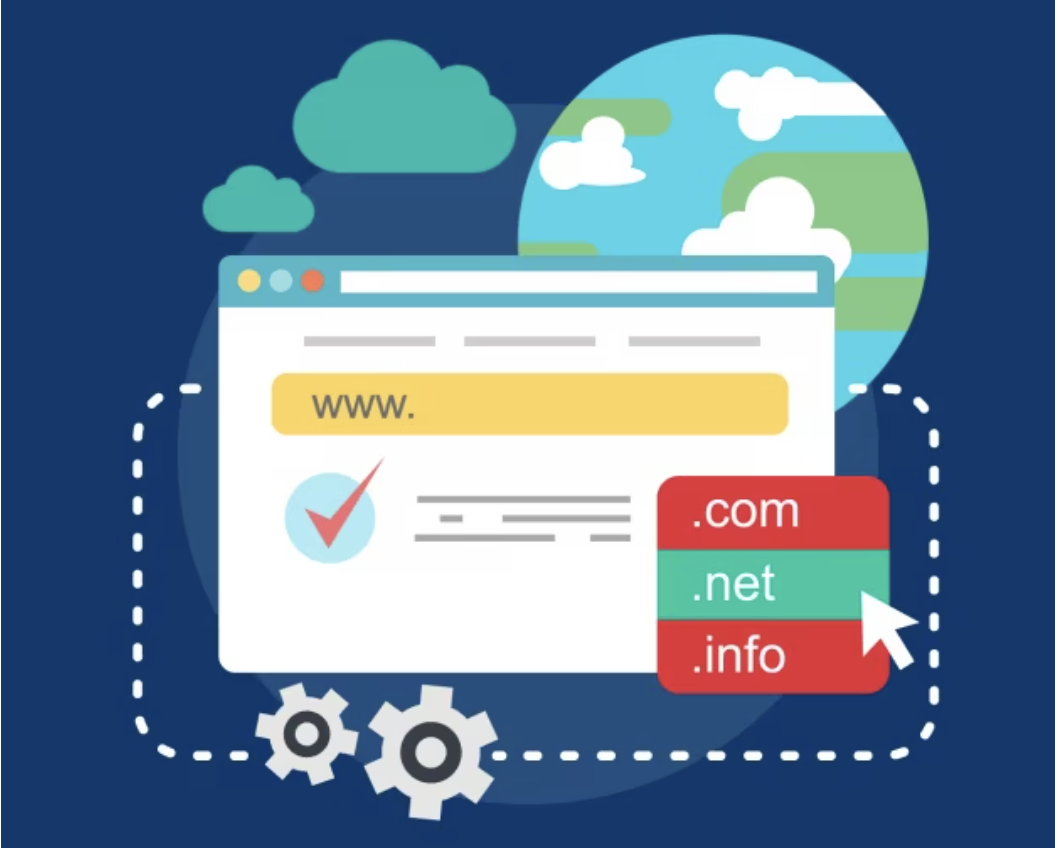
| A startup domain name refers to the primary web address used to represent a new business online, encompassing its brand identity, legal exposure, discoverability, and digital communications. Validating it before registration involves systematically checking availability, trademark risk, ownership history, and usability to ensure the name can be safely secured. |
Picture a young SaaS firm that snapped up a catchy domain on launch day, only to discover six months later that a legacy retailer owned a near-identical trademark.
The resulting rebrand cost the team thousands in design, SEO, and lost referrals, pain that could have been avoided with a one-hour validation loop.
That risk is more common than many founders realise. A startup domain name is more than an address. It shapes how customers find you, determines whether legal claims can reach you, and affects how smoothly you manage email, products, and sub-brands.
According to the World Intellectual Property Organisation, trademark owners filed 6,168 domain name dispute cases in 2024 alone, making it one of the busiest years on record for conflicts over domain names and brand rights.
The good news is that a fast, repeatable playbook allows founders, agencies, and developers to vet three to five candidate names quickly and buy with confidence.
Quick Validation Workflow (Step-By-Step): A Quick Breakdown
Here’s a breakdown of the essential checks you should run to validate a startup domain name before committing to a domain:
1. Rapid Domain Availability Check (Primary TLDs + Variants)
Start with the obvious: query .com, .net, .co, .io and any country code TLD relevant to your launch market. Single-pane tools display hits and near misses in seconds, letting you log results for quick comparison.
If the perfect .com is taken, consider clean modifiers such as “get”, “try”, or a location suffix (“london”) rather than twisting the spelling.
| Also Read: How to Choose a Domain Name for Your Business: A Beginner’s Guide |
2. Name Availability Check Across Social Platforms
Next, confirm the same stem is free—or at least easily adaptable—on Twitter/X, Instagram, LinkedIn and major app stores. Cross-platform consistency accelerates word-of-mouth discovery. If a handle is taken, weigh tweaks such as “use [Name]” or “[Name]HQ”; each extra character chips away at recall, so note the trade-off clearly in your worksheet.
3. RDAP/WHOIS and Ownership History Review
Look up each available domain in an RDAP or WHOIS directory to spot red flags like parked pages, recent transfers or abuse reports.
A clean record suggests lower risk and standard pricing. Domains marked “premium” or recently transferred can signal higher costs or prior misuse—record these and decide whether negotiation or a different name is wiser.
4. Quick Trademark and Business-Name Scan (Brand Research)
Run a basic scan of trademark offices and corporate registers in your priority markets.You are looking for identical or confusingly similar marks within the same class of goods or services.
Remember: a registered business name gives limited local protection, while a trademark offers broader legal muscle. If results feel ambiguous, or if you plan a multi-country launch, escalate to specialist counsel before paying a premium price.
5. Human Proofing: Pronunciation, Spelling and Voice Tests
Automated tools miss what humans hear. Read the name aloud in a video call, in a noisy coffee shop, and through a voice assistant. Type it into the search-bar autocomplete and watch suggested misspellings. Finally, ask five colleagues or customers two questions:
- “What do you think this business does?”
- “How would you spell this name?”
Collate the answers. If users misinterpret the offer or butcher the spelling, rethink.
6. Shortlist Scoring and Prioritisation
Apply a simple 10-point rubric: domain availability, social consistency, trademark risk, pronounceability and future scalability. Total each candidate, rank them, and focus on the top one or two. Keep a backup in reserve.
7. Purchase and Immediate Protection Steps
When a winner checks out, register the primary TLD right away, enable privacy protection and auto-renew, then attach a professional email address. If you plan regional expansion, buy key ccTLDs defensively. Reserve matching social handles and spin up a one-page site with a signup form to gauge early interest before a full build.
| Also Read: How to Set up Parked Domain Name |
Naming Pitfalls to Avoid (And Smart Alternatives)
Here are some common naming mistakes and smarter alternatives to avoid them:
Naming Pitfall |
Smarter Alternatives |
| Forced misspellings that confuse users | Keep the word intact and add a short verb such as use or try to maintain clarity and recall |
| Relying on novelty TLDs like .space or .ninja without a promotion plan | Pair a recognisable name with a trusted TLD like .co or an actively marketed industry extension such as .tech |
| Hard-to-spell compound words | Split the phrase into two clear words or choose a simpler synonym to support voice search and typing accuracy |
| Ignoring social handle availability | Check domain and social handles together and adjust early, not after launch or press coverage |
Balancing clarity with uniqueness gives new brands room to grow without constant spelling lessons.
Deciding When to Buy: Securing vs Overpaying
Once you have evaluated availability, legal risk, and brand fit, the final decision comes down to timing and cost.
- Buy immediately if the domain clears availability, trademark, and ownership checks and is priced within your budget.
- Delay the purchase if trademark risks remain unresolved or the domain is listed as a premium asset with an unclear ownership history.
- Use a temporary workaround by registering an affordable variant with privacy protection and a short renewal period while you complete legal or market validation.
- Set firm budget limits early, as many early-stage teams cap initial domain spend at three figures and consider aftermarket domains only after traction justifies the cost.
| Also Read: How to Choose a Domain Name for Your Business: A Beginner’s Guide |
Ready to Register? Start with a Name You Can Defend
Choosing a startup domain name is not a creative exercise alone. It is an operational decision that affects brand credibility, legal exposure, discoverability, and long-term scalability.
As the rise in domain name disputes shows, moving fast without validation often creates more risk than momentum.
At Crazy Domains, our team helps founders turn validated ideas into secure digital foundations. Once you have confidence in your name, you can search, register, and protect your domain in minutes, with built-in privacy, auto-renewal, and access to tools that support growth from day one.
Get in touch with our team for more details!