Email marketing is one of the few channels that gives you direct access to your customers without competing for attention on crowded social media feeds or search engines. When done right, it allows you to deliver relevant updates, special offers, and engaging content straight to their inbox. Over time, this builds trust, keeps your brand top-of-mind, and turns casual subscribers into loyal customers.
However, results in email marketing do not come from sending messages at random. They come from using the right tools, email platforms for business that make it easier to design, deliver, and measure your campaigns. The challenge is that there are dozens of email marketing platforms available, each promising to be the best. This guide will help you understand what these platforms do and highlight the key factors that will inform you how to choose an email marketing platform.
What is Email Marketing Platform?
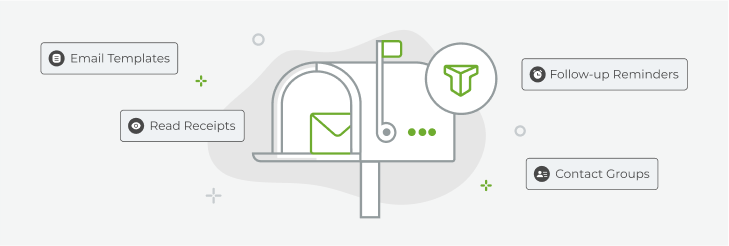
Think of an email marketing platform as a toolkit. It is not just about pressing “send” on a bulk email. These platforms give you templates, allow you to design messages that look professional, and let you schedule them to go out automatically. Many even tracks who opened your email and who clicked a link.
For a small business owner, a platform may simply mean saving time and sending neat-looking newsletters. For a growing company, the same tool might connect with an online shop or a CRM system so that every campaign feels more personal. In short, these platforms make email less of a chore and more of a planned email marketing strategy.
Types of Customer Emails You Can Send
Email is not one-size-fits-all. Businesses use it in different ways, and the best email marketing platforms for small businesses support all of them.
1. Marketing Emails
These are the classic sales messages. A restaurant may email its weekend specials, or a retailer might promote a festive season sale. The aim is to create awareness and encourage purchases.
2. Transactional Emails
Transactional emails are functional. They confirm an order, share a delivery update, or provide a password reset link. While they may seem routine, they also build customer confidence.
3. Drip Campaigns
A drip campaign is like a step-by-step journey. Imagine signing up for an online course — you may first get a welcome note, then a study guides the next day, followed by weekly lessons. Everything is scheduled, reducing manual work.
4. Newsletters
Newsletters are all about consistency. They often contain a mix of updates, stories, and tips. A small business can use a monthly newsletter to keep customers informed about new services or achievements.
5. Promotional Emails
Promotions create urgency. Flash sales, limited discounts, or “buy one get one” deals fall in this category. Businesses use them to drive short-term spikes in sales.
6. Re-engagement Emails
Over time, subscribers may stop responding. A re-engagement email is designed to bring them back. A simple “We miss you” note or a special incentive can reignite interest.
7. Welcome Emails
These are the first impressions. They greet new subscribers, thank them for joining, and often include a short introduction about the company. A welcome email sets the tone for future communication.
Features to Look for When Choosing an Email Marketing Platform
Finding the best email marketing platform requires more than glancing at price tags. The features should match the way your business works.
1. A/B Testing
Every audience reacts differently, and what works once may not always work again. A/B testing allows businesses to send two variations of an email to separate groups of subscribers. By comparing results, you can see which subject line, design, or call-to-action resonates more. Over time, this process builds insight and helps shape future campaigns with greater accuracy.
2. HTML Editing
Some businesses want complete control over how their emails look. With HTML editing, teams can design messages entirely from scratch, adjusting every element, font, colour, spacing, and layout. It also helps fine-tune existing templates to match a company’s brand identity perfectly. For businesses with in-house designers, this option ensures emails always stay consistent and unique.
3. Template Variety
Not every business has the resources or time to design emails from scratch. This is where template variety becomes essential. A good email campaign platform should provide options for newsletters, promotions, announcements, and events. Ready-made templates save effort, reduce design costs, and make sure campaigns look professional, even when created by non-designers.
4. Automation
Automation is one of the most valuable features in modern email marketing software. Instead of sending emails manually, businesses can set triggers and workflows. For instance, a customer’s birthday, an abandoned shopping cart, or a completed purchase can all trigger specific messages. This not only saves time but also ensures customers receive timely, personalised communication without added effort.
5. Industry-Specific Features
Every industry communicates with its customers in a slightly different way. A school may need tools for sending attendance updates or exam schedules to parents, while an eCommerce business may prefer features like product recommendations or cart recovery reminders. Platforms that provide these specialised options reduce the need for extra customisation, save time for teams, and ensure messages feel more relevant to the audience they serve.
6. Analytics & Reporting
Numbers reveal how well your emails are performing. Detailed reports show open rates, link clicks, and conversions, giving you a clear view of what works and what does not. With this information, businesses can refine subject lines, adjust content, and test new ideas. Without proper analytics, improving the success of future campaigns becomes almost impossible.
7. Integrations with Other Tools (CRM, eCommerce, CMS)
Integration means your email platform connects with other systems you already use. Linking with a CRM ensures customer data stays up to date. Syncing with an online store allows product recommendations to be sent automatically.
8. Customer Service
Even the most advanced email marketing platform can face technical issues or usability challenges. Reliable customer support becomes essential in such moments. Platforms that provide quick assistance through live chat, phone, or email allow businesses to resolve problems without delay. Responsive support not only keeps campaigns running smoothly but also builds confidence that the service will remain dependable over time.
Email Marketing Services at Crazy Domains
Crazy Domains is an example of an email marketing service provider that focuses on usability and flexibility. Businesses can create campaigns with drag-and-drop tools, automate sequences, and measure success with detailed reports.
For smaller businesses, the platform offers an affordable best email marketing service with essential tools like templates, subscriber lists, and scheduling. For larger ones, the advanced reporting and integrations provide room to grow. This flexibility makes it a strong choice among the top email marketing platforms available today among email marketing service providers.
Conclusion
Email marketing is a method of its own. There is no point in following the trends but rather using the reliable tool email marketing campaign software that best fits your objectives. Depending on the stage your business is in, whether you are a start-up, yet in need of easy templates to use or a growing business, seeking automation and integrations, the right option made can turn email into an effective growth channel.
By carefully reviewing features such as A/B testing, reporting, and customer support, businesses should know how to choose email marketing software that fits their needs. Platforms like Crazy Domains show how the right service can reduce effort while improving results.
FAQs
What is the most cost-effective email marketing platform?
There is no single answer. The best option depends on your list size, budget, and how many features you really need. Smaller firms may prefer low-cost tools, while larger ones may invest in more advanced systems.
Is email marketing still worth it?
Yes. Despite competition from social media and messaging apps, email continues to deliver strong results. It provides direct access to a customer’s inbox and allows for personal, measurable communication.
What is the 80/20 rule in email marketing?
The 80/20 rule means keeping most of your content, around 80 per cent, focused on useful or engaging material, while the remaining 20 per cent can be promotional. This balance prevents subscriber fatigue.