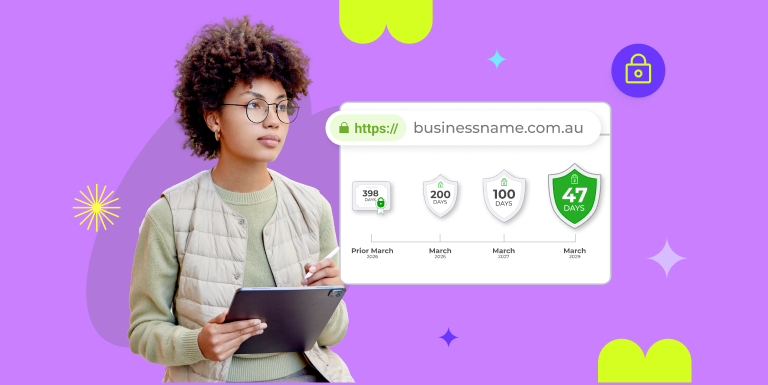
| Email spoofing protection involves utilising authentication protocols such as SPF, DKIM, and DMARC to prevent unauthorised parties from sending emails using your domain. These tools verify the legitimacy of the sender, ensure that the message content has not been altered, and instruct receiving servers on how to handle suspicious messages. By properly configuring these protocols and maintaining good domain hygiene, businesses can protect their brand, prevent phishing attacks, and build trust with recipients. |
Did you know that over 3.1 billion spoofed emails are sent every day? Most of these emails are from spoofed domains that mimic trusted names, deceiving their victims into thinking they are legitimate and allowing them to be scammed.
The most destructive attack vector today is email spoofing; therefore, protection against it is no longer merely beneficial but imperative. To make matters worse, spoofed messages can be used to gain access to personal information, cause financial losses, or threaten integrity.
If your business is involved in emailing, such as sending invoices, newsletters, or login links, be aware that your domain becomes a target. Read on as we explore some ways to set up email spoofing protection to keep your data safe!
Top Strategies to Follow to Safeguard Your Inbox Effectively
When it comes to protecting your domain from email spoofing, the key lies in building a strong authentication framework backed by proactive monitoring and good security hygiene.
Here are the top strategies every business should implement to ensure emails are legitimate, trusted, and secure:
1. Set Up SPF Records: Your First Line of Defence
SPF (Sender Policy Framework) informs the mail servers of the IPs that have permission to send messages from your domain. It’s the cornerstone of email spoofing protection.
To implement it:
- Log in to your DNS settings
- Add a TXT record starting with v=spf1
- Include your email provider’s sending servers (e.g., include spf.mailhost.com).
- Finish with ~all or -all to instruct how to treat unauthorised senders.
SPF works like a bouncer at a club; only trusted sources get in. Miss this step, and you’re leaving the door wide open.
| Pro Tip: Update your SPF record anytime you change or add email providers. It keeps your email spoofing protection sharp. |
2. Use DKIM to Sign and Secure Your Messages
DKIM (DomainKeys Identified Mail) is a cryptographic signature that your email provider uses to digitally sign your messages. It ensures that the data has not been changed en route and is the work of your domain only.
It works like this:
- Your email server adds a digital signature
- The recipient’s server checks that signature against a public key in your DNS
- If it matches, the message is authenticated
Most providers, such as Google Workspace or Microsoft 365, allow for a simple DKIM installation, requiring only that you turn it on and publish the key. DKIM is your email spoofing protection, strengthened by verifying message integrity and thus preventing unauthorised changes.
| Also Read: 9 Smart Tips to Craft a Professional Email Signature for Your Business |
3. Enforce DMARC Policies
DMARC (Domain-based Message Authentication, Reporting, and Conformance) is the primary hub that connects SPF. It tells receiving servers what to do if an email fails those checks.
Here’s an example of a basic DMARC policy:
ini
CopyEdit
v=DMARC1; p=quarantine; rua=mailto:[email protected]; sp=none
This setup:
- Instructs servers to quarantine suspicious emails
- Sends reports to help monitor your domain
- Supports a gradual approach from monitoring to full enforcement
Without DMARC, spoofers can bypass SPF or DKIM loopholes. With it, email spoofing protection is airtight and policy-driven.
4. Monitor DMARC Reports for Suspicious Activity
Setting up DMARC is great, but reading its reports makes your email spoofing protection proactive.
DMARC reports show:
- Which senders are using your domain
- Who’s failing SPF or DKIM checks
- Whether you’re under attack
While these reports are available in XML format, tools are available to convert them into dashboards or readable summaries. Monitoring helps you spot issues early and tighten your email policies over time.
| Also Read: 3 Quick Ways to Check if Your Email Is Hacked and Steps for Recovery |
5. Harden Your Domain’s Email Infrastructure
Good security hygiene completes your email spoofing protection strategy. Here’s what else to look at:
- Disable catch-all email addresses to stop random fake users
- Avoid wildcard subdomains that spoofers can exploit
- Stick with reputable email service providers with solid security
- Train your team on phishing and spoofing red flags
| Pro Tip: Public contact info gives attackers a head start when crafting convincing spoofs. So, keep your WHOIS information private. Also, make sure your domain’s DNS records (SPF, DKIM, and DMARC) are regularly reviewed and updated to reflect any changes in your email service providers or sending practices. |
Wrapping It Up
Email spoofing protection isn’t about piling on more tools; it’s about getting the essentials right. When you properly configure SPF, DKIM, and DMARC and take time to harden your domain setup, you create a strong line of defence that keeps spoofers out and your communications trusted.
At Crazy Domains, we simplify that process. Our email security services are designed to guide you through setup, generate the correct DNS records, and provide real-time reports, all without the need for additional software or complex installations. Sign up now to get started!