
By the end of each year, most site owners are paying for domains they no longer use. Some still bring traffic. Some only exist because letting them go feels risky. Others should have been redirected or shut down years ago.
That is not a branding problem. It is a decision problem.
If you run more than one domain, you are already making tradeoffs, whether you admit it or not. Authority gets split. Maintenance adds up. Search signals get messy. Redirects are often set once and never reviewed again. None of this breaks your site overnight. It just weakens it over time.
A year-end domain strategy is about stopping that drift. It means deciding which domains still serve a clear purpose, which should pass their value forward through proper redirects, and which no longer justify the cost or attention they require.
As 2026 approaches, this is the moment to make those calls with intent. You want to enter the new year with a domain setup that is simpler, stronger, and easier to grow. Let’s understand how.
What Is a Domain Strategy?
A domain strategy is the deliberate plan behind how many domains you own, why you own them, how they are used, and how they work together to support your business goals.
Without a domain strategy, domains accumulate through launches, experiments, campaigns, rebrands, acquisitions, and defensive purchases. Gradually, this creates confusion for users, dilutes search signals, incurs unnecessary costs, and misses opportunities to consolidate authority.
A strong domain strategy answers one core question clearly:
How should each domain contribute to growth, visibility, and trust?
At its core, a proper domain strategy defines:
- Which domains should exist
- What role does each domain plays
- How traffic, authority, and signals flow between them
- How changes are handled over time
It treats domains as long-term infrastructure rather than short-term assets.
From a technical perspective, a domain strategy is the structured management of domains and subdomains to:
- Control search engine indexation
- Consolidate or distribute link equity
- Define crawl paths and canonical signals
- Reduce duplication and conflict across properties
- Support branding, localisation, or segmentation goals
This is executed through DNS configuration, hosting decisions, URL structures, redirects, canonicals, internal linking, and content placement.
Why a Domain Strategy Matters More Than Ever
Domains are not just web addresses you register and forget. They are strategic assets in how your business is found, trusted, and ranked online.
As of 2025, there are over368 millionregistered domain names worldwide: a number that continues to grow each quarter. That means your business is competing in a vastly more crowded landscape than it was just a few years ago.
Here are a few key reasons a domain strategy is essential right now:
Search engines interpret domain signals with greater nuance
Search algorithms today weigh more than just content and links.
While domain age alone doesn’t guarantee ranking power, a domain’s relative authority and relevance still influence how search engines assess trust and crawl priority.
Tools that measure domain authority reflect this ongoing importance in practical search performance, even if Google doesn’t use the metric directly.
| Pro Tip: Choose one primary domain, use subfolders for related content, and avoid unnecessary microsites. This keeps link equity consolidated and improves ranking potential in competitive niches. |
User trust is increasingly tied to domain reputation
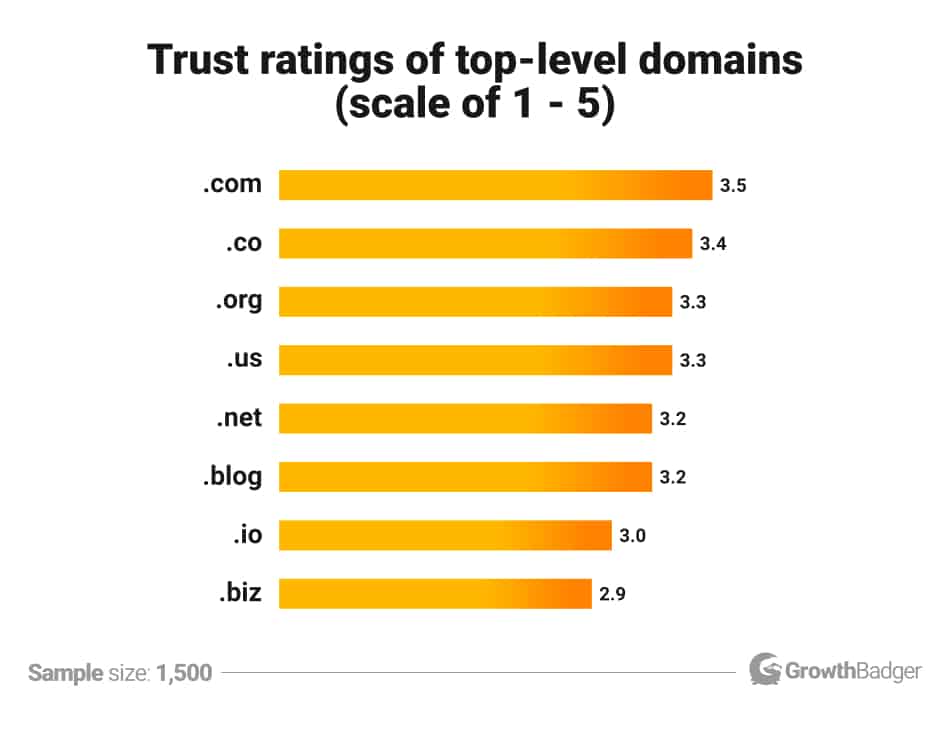
A domain is one of the first visible signals to potential customers about your business.
As of 2025, consumer research finds that a strong domain extension (like .com) significantly influences credibility, with over 70% of users in a recent survey saying they trust “.com” or country domains more than newer alternatives:
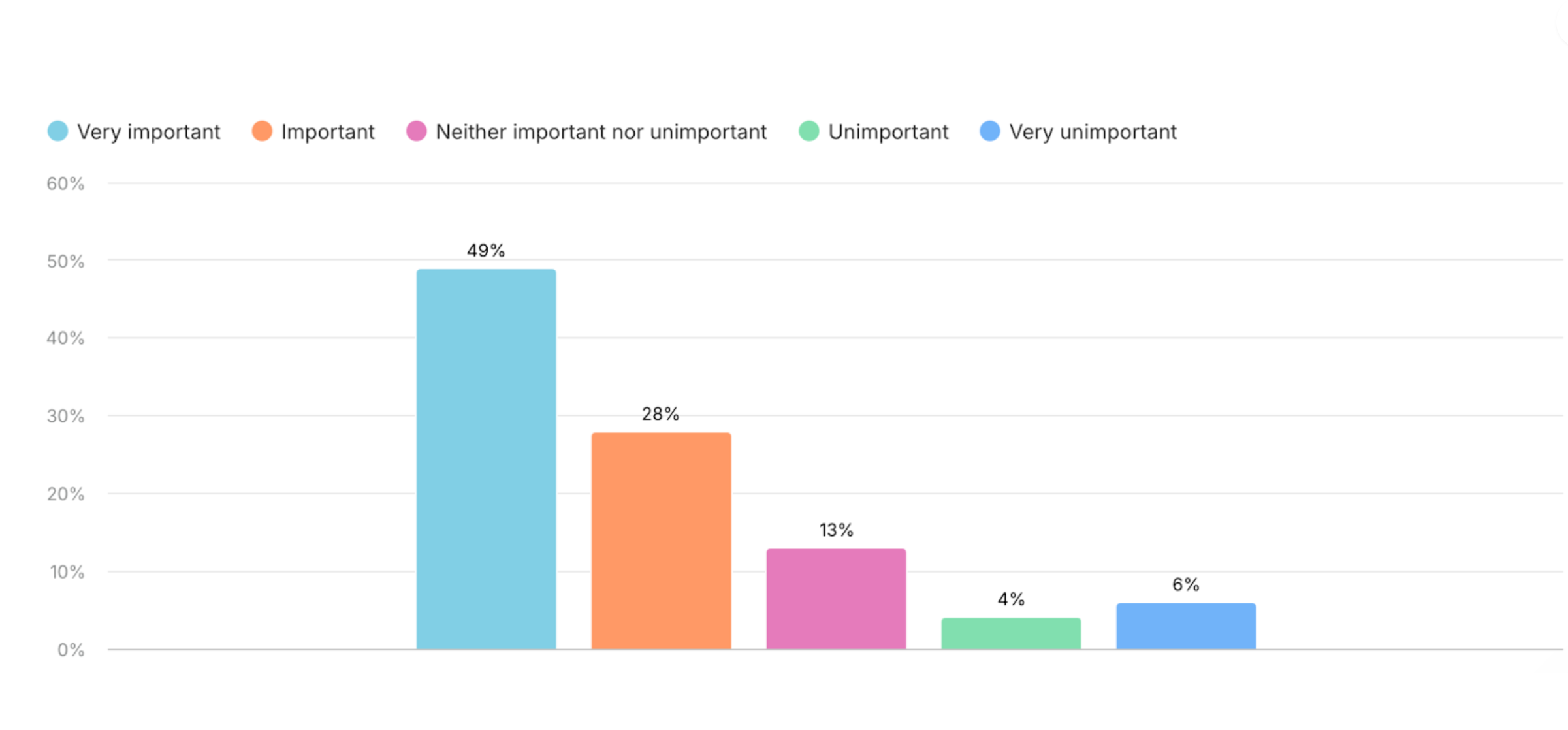
Further studies show that 77% of consumers consider a domain name important when evaluating a brand online. This means an unfamiliar domain can discourage engagement before a user even sees your content.
Domains now play a broader role in branding and digital identity
Beyond SEO, domain names help define how your audience perceives you across platforms.
Younger consumers are twice as likely to believe your domain should align with your social media channels and brand identity.
In a world where first impressions happen in a split second, a professional domain reinforces confidence and sets the tone for user engagement.
What It Takes to Manage Multiple Domains? A Comprehensive 8-Tip Breakup
Managing multiple domains is a structural problem, not a branding exercise.
Each additional domain introduces decisions around authority distribution, crawl allocation, tracking accuracy, security, and ongoing maintenance.
When these decisions are not made explicitly, domains begin to overlap in purpose, compete in search results, and dilute the impact of the primary site.
Here’s your checklist for managing domains strategically:
Tip #1: Start With a Full Domain Inventory (Most Companies Miss This)
Before you make decisions, you need visibility. Most businesses underestimate how many domains they actually own.
Create a single list that includes:
- Primary business domain
- Secondary or legacy brand domains
- Old rebrand domains
- Country or language-specific domains
- Campaign or microsite domains
- Domains purchased defensively
- Parked or unused domains
Pro tip: If a domain renews automatically but has no owner internally, it still counts. If no one knows why it exists, that’s a signal.
Your inventory should answer:
- Who bought this domain?
- When?
- For what reason?
- Is it still indexed?
- Does it receive traffic or links?
If you cannot answer those questions, the domain is unmanaged.
Tip #2: Assign a Clear Role to Every Domain (This Is Where Strategy Begins)
Every domain should earn its place. If you can’t explain its role in one sentence, it’s a problem.
For each domain, ask:
- Is this domain actively used?
- What business goal does it support?
- Who is it for?
- Does it generate traffic, leads, revenue, or brand value?
Typical valid roles include:
- Core brand presence
- Product or service hub
- Regional or language targeting
- Legacy domain redirecting to a primary site
- Campaign-specific short-term use
For instance, look at Shopify:

- shopify.com is the brand and product hub
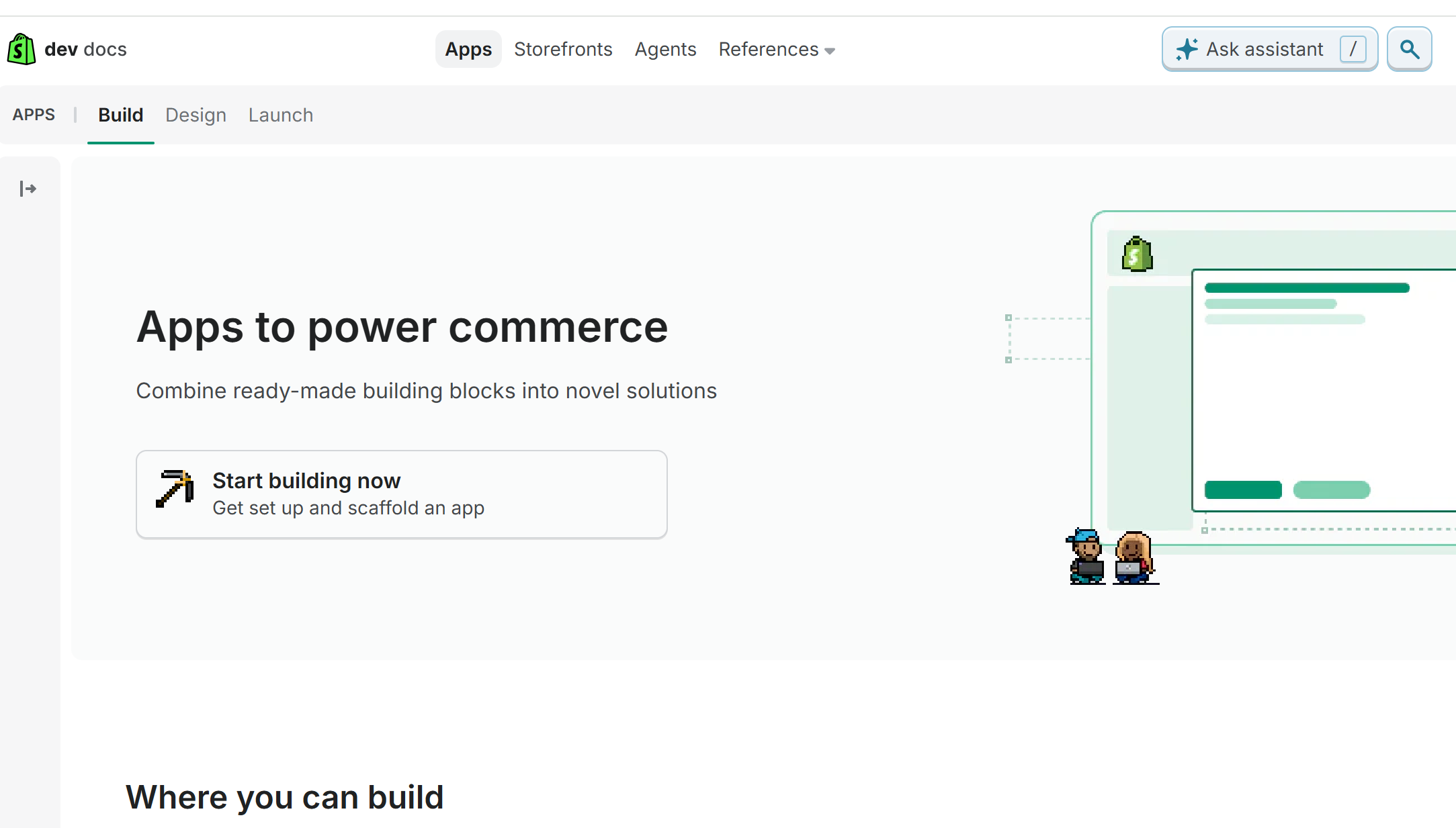
- shopify.dev serves developers only
Each domain speaks to a distinct audience.
Now contrast that with companies that run:
- blog.brand.com
- brandblog.com
- brand-insights.com
All are publishing similar content. This splits authority and confuses search engines and users.
A domain’s role should be explicit:
- Is this the main conversion engine?
- Is this informational content?
- Is this a regional entry point?
- Is this a legacy domain passing value elsewhere?
Remember, if two domains do the same job, one of them is unnecessary.
Tip #3: Decide What to Keep, Redirect, or Retire
This is where strategy becomes action.
Keep domains that:
- Have consistent organic traffic
- Rank for valuable queries
- Represent a current brand or product
- Serve a clear regional or audience purpose
Example: Atlassian

Atlassian.com remains the core so this domain should be kept.

Jira.atlassian.com and confluence.atlassian.com exist as subdomains with distinct product values. These domains generate traffic and revenue, so they stay.
Redirect domains that:
- Have backlinks but no longer need standalone content
- Represent past brands, products, or campaigns
- Create overlap with your main site
- Confuse users or split authority
Example: Twitter → X

Twitter.com still exists but redirects to x.com. This preserves years of backlinks, brand recognition, and traffic while consolidating authority.
This is redirect SEO done correctly.
Retire domains that:
- Have no traffic or links
- Serve no legal or brand protection need
- Require maintenance with no return
- Exist only because “we’ve always had it”
Example: Short-lived campaign and launch domains
During high-growth phases, many ecommerce and SaaS teams spin up standalone domains for launches, partnerships, and one-off initiatives. Common real-world patterns look like:
- productname-launch.com
- brandxpartners.com
- brandnameevents.com
These domains often host:
- A single landing page
- Temporary content tied to a quarter or fiscal year
- Tracking-heavy pages that were never meant to last
Once the campaign ends, traffic drops to zero. Backlinks never materialize or point to outdated URLs. The domain remains indexed with obsolete content, sometimes even returning soft 404s.
In this state, the domain provides no strategic value. Worse, it introduces risk:
- Search engines waste crawl resources
- Old URLs can surface in search results
- Security and ownership become liabilities
In these cases, retiring the domain or redirecting any remaining value to a relevant page on the primary site is the appropriate approach.
Tip #4: Audit Redirects as Proper Infrastructure
Redirects carry memory. But when misused, they also carry risk.
Our suggestion? You must review:
- Redirect chains longer than one hop
- Redirects pointing to irrelevant pages
- Domains redirecting to outdated URLs
- HTTP → HTTPS inconsistencies
- WWW vs non-WWW mismatches
Every redirect should answer: “Is this passing value to the most relevant destination?”
| Did you know? Google’s John Mueller has explained that a properly implemented 301 redirect passes full PageRank signals. |
Companies like HubSpot actively clean redirect domains so:
- Legacy product URLs point directly to the most relevant current page
- Old blog domains redirect to category-level equivalents instead of generic pages
Tip #5: Check Indexation and Canonical Signals Across Domains
Multiple domains often lead to various versions of the same content.
Validate:
- Which domains are indexed
- Which pages are treated as canonical
- Whether subdomains compete with main domains
- Whether country or language versions are properly declared
Large publishers like Forbes and NYTimes aggressively enforce:
- One canonical domain
- Clear canonical tags
- Controlled subdomain usage
Smaller businesses often don’t. This leads to ranking volatility that looks “algorithmic” but is structural.
Pro tip: If Google can’t tell which domain represents your authority, it will decide for you.
Tip #6: Align Domain Structure With How Your Business Actually Operates
Your domain structure should mirror your business structure.
Ask:
- Do you operate as a single brand or multiple brands?
- Are regions independent or centralised?
- Are products tightly integrated or standalone?
- Is content shared or unique across markets?
Your answers should directly influence whether you use:
- One domain with folders
- Subdomains
- Separate domains
- Country-code domains
Pro tip: There is no universal best option. You have only two options: alignment or misalignment.
Amazon is a good illustration:

Amazon.com is a domain for commerce, whereas aws.amazon.com is for cloud:

AWS is not a subfolder because it is not marketed or perceived as a retail product.
Now look at companies that force everything under one domain, even when:
- Teams are independent
- Products serve different audiences
- Messaging conflicts
This creates internal friction and external confusion.
Pro Tip: Your domain structure should reflect how customers understand your business, not how it is organized internally.
Tip #7: Review Domain Costs Against Business Value
Domains are affordable individually and expensive collectively.
For each domain, evaluate:
- Annual renewal cost
- Hosting and maintenance cost
- Security and monitoring overhead
- Time spent managing it
Tip #8: Make Domain Review a Standing Business Practice
Strong companies revisit domains the way they revisit pricing or positioning.
Triggers for review include:
- Rebrands
- Acquisitions
- International expansion
- Platform migrations
- Declining organic growth without a clear cause
Granted, your domain will age, but strategy keeps them aligned.
At minimum:
- Review domains annually
- Re-evaluate redirects after major site changes
- Audit indexation after migrations or launches
- Update ownership and documentation
Takeaway: A good domain strategy makes your site’s setup clearer. Remember, fewer domains doing purposeful work will outperform multiple domains doing vague work every time. When domains are clear in purpose and clean in structure, everything downstream gets easier: SEO, trust, analytics, growth, and decision-making.
Keep/Redirect/Drop: A Handy Domain Decision Table
| Decision |
When This Is the Right Choice | Signals to Look For | What Action to Take |
| Keep | The domain actively supports current business goals | Consistent organic traffic, strong backlinks, clear brand or product relevance, active conversions | Maintain the domain, invest in content and SEO, review structure, and internal linking |
| Redirect | The domain has value, but no longer needs to exist independently | Historical backlinks, brand recognition, past product or campaign relevance, and low but meaningful traffic | Implement a clean 301 redirect to the most relevant page on the primary domain, and avoid redirect chains |
| Drop | The domain no longer provides strategic or technical value | No traffic, no backlinks, no brand risk, thin or obsolete content | Allow the domain to expire or decommission it safely after confirming no residual value |
Quick Validation Questions Before You Decide
| Question | Keep | Redirect | Drop |
| Does this domain generate meaningful traffic today? | ✔️ | ⚠️ | ✖️ |
| Does it have backlinks worth preserving? | ✔️ | ✔️ | ✖️ |
| Does it support an active product, market, or brand? | ✔️ | ⚠️ | ✖️ |
| Would its removal confuse users or partners? | ✔️ | ✔️ | ✖️ |
| Is it creating unnecessary maintenance or cost? | ✖️ | ⚠️ | ✔️ |
Where:
- ✔️ means the answer supports that decision (Keep or Redirect)
- ⚠️ means the signal exists but isn’t strong enough on its own
- ✖️ means the signal is missing and does not support keeping the domain
Try Crazy Domains for a Stronger Domain Setup
The fact is that a year-end domain strategy delivers value at renewal. Put another way, this is the moment when intent meets cost.
Before 2026 begins, log in to your registrar account, whether it’s Crazy Domains or another provider, and review every domain you are paying for.
As a final tip, remember that each domain should justify its existence with a measurable contribution. For every domain, you can apply a simple test. Ask:
- Does it attract meaningful traffic and links today?
- Does it support a current product, market, and brand direction?
- Does it strengthen your primary site through clear signal flow?
Invest in Crazy Domains for instant access and endless flexibility, and then apply your marketing discipline on top!
FAQs
What is a domain strategy, and why do small businesses need one?
A domain strategy is a plan for how many domains your business owns, what role each one plays, and how they work together to support growth, trust, and search visibility. Small and mid-sized companies often grow through experiments, rebrands, and campaigns, which leads to unused or overlapping domains.
Without a strategy, this creates diluted SEO signals, higher costs, and avoidable technical issues. A clear domain strategy helps SMEs focus authority on the domains that actually matter.
How many domains should an SME realistically manage?
There is no ideal number, but most SMEs perform best when each domain has a clear and distinct purpose.
One primary domain is usually enough for the core business. Additional domains only make sense when they serve a specific role, such as regional targeting, a separate product, or redirecting legacy traffic. If a domain cannot justify its existence based on traffic, links, or strategic relevance, it is usually better to redirect or retire it.
Is it better to use multiple domains or subdomains for SEO?
This depends on how different the audiences and purposes are. Subdomains work well when content is closely tied to the main brand and benefits from shared authority.
Separate domains are more appropriate when products, markets, or brands are meaningfully distinct. For most SMEs, using one strong primary domain with a clear internal structure is simpler to manage and easier to scale without fragmenting SEO value.
When should a domain be redirected instead of kept live?
A domain should be redirected when it still has value but no longer needs to function as a standalone site. This includes old brand names, discontinued products, or past campaign domains that earned backlinks or recognition.
A properly implemented 301 redirect allows that value to flow into a relevant page on the primary domain, preserving SEO equity while reducing maintenance overhead.
Does a 301 redirect really pass full SEO value?
Yes, when implemented correctly. Google has confirmed that a clean 301 redirect passes full PageRank signals to the destination URL. The key is relevance and simplicity. Redirects should point directly to the most appropriate page, avoid chains, and be reviewed periodically. Poorly managed redirects can weaken results, but well-maintained ones are a core part of a healthy domain strategy.
How do unused domains hurt SEO and site performance?
Unused or forgotten domains can remain indexed with thin or outdated content, consume crawl budget, and create conflicting signals about which domain represents your authority. They also increase security risk and tracking noise.
Over time, this weakens the primary site’s performance, even if nothing appears broken on the surface.
How often should a business review its domain portfolio?
At a minimum, domains should be reviewed annually, ideally before renewal season. Reviews should also be conducted after rebrands, acquisitions, platform migrations, or unexplained declines in organic traffic.
Domains are long-term assets, but their role can change as the business evolves. Regular reviews prevent outdated decisions from becoming permanent problems.
What should SMEs check before renewing domains with a registrar?
Before renewing domains with providers like Crazy Domains, SMEs should check whether each domain:
- Receives organic traffic or backlinks
- Supports a current product, market, or brand direction
- Strengthens the primary site through redirects or structure
If a domain does none of these, renewing it is usually a habit rather than a strategy.
Can dropping a domain hurt my business?
Dropping a domain can hurt only if it still has value or brand risk. Domains with traffic, backlinks, or legal relevance should be redirected or retained. Domains with no usage, no links, and no future role rarely cause harm when retired. In many cases, removing these domains improves clarity and reduces long-term risk.
What is the first step to building a domain strategy?
The first step is to create a complete inventory of every domain you own and understand why each exists. Most domain strategy problems start with blind spots. Once everything is visible, decisions around keeping, redirecting, or dropping domains become far easier and more defensible.