| The domain aftermarket enables buyers to acquire premium, previously registered domains, thereby accelerating brand recognition and marketing impact. This guide outlines acquisition channels, valuation frameworks, activation strategies, and risk management for SMEs, agencies, and investors navigating the secondary domain market. |
The domain aftermarket is the secondary marketplace where already registered domain names are bought and sold after their initial registration period has ended. For small and medium-sized enterprises, digital agencies, and tech-savvy professionals, this market is often the only place to secure a short, memorable name that perfectly matches a new product or rebranding effort.
Premium domains, typically one-word or category-defining names, deliver three critical business benefits: instant brand clarity, faster go-to-market timelines, and built-in trust that boosts click-through and conversion rates.
This practical guide walks you through an acquisition-to-activation playbook, a disciplined valuation framework, and risk-minimising tactics so you can navigate the domain aftermarket with confidence. Along the way, we highlight the latest secondary market news and explain why premium domains continue to rise in value.
Why Premium Domains Are Gaining Value Now
Premium domain sales are accelerating because a modern brand strategy starts with a name that audiences instantly recognise. Marketing teams would rather invest once in a premium domain than spend years compensating for a confusing URL.
Three forces are driving demand in the domain aftermarket today:
- Brand-First Marketing Culture: Consumers equate a clean, one-word domain with authority. Owning Gardens.com beats explaining Get-Great-Gardens-Online.io in every campaign.
- Need for Memorability in Crowded Channels: Short, pronounceable names are easy to recall and share verbally, making them invaluable for podcasts, events, and social media.
- Compressed Launch Timelines: Startups and product teams can shave months off brand-building efforts by purchasing an existing name with pre-built recognition.
Buyer motivations vary. SMEs snap up brand-exact names before a launch, agencies secure domains on behalf of clients, and investors/speculators collect assets for future resale upside.
As a rule of thumb, consider an aftermarket purchase when the cost of a premium name is lower than the cumulative spend required to turn a compromise domain into a household brand.
| Also Read: Are Premium Domains Worth the Investment in Australia? |
How The Domain Aftermarket Works: Marketplaces, Auctions, Brokers, And Escrow
Understanding the acquisition channels is half the battle. Public marketplaces list millions of domains at “buy-now” prices or timed auctions. Private brokers approach owners directly to obtain names that are not publicly listed. Expired-domain services chase valuable names that lapse and are subsequently added to the pool.
Mechanics to know:
- Listings and bids: Marketplaces such as Sedo publish fixed prices or run auctions with countdown timers.
- Backorders and expiry cycles: Services track domains nearing expiration and attempt to register them as soon as they drop.
- Escrow-mediated transfers: The payment remains with an escrow provider until the domain is safely transferred—non-negotiable for high-value deals.
How To Evaluate A Premium Domain: A Disciplined Valuation Framework
A clear valuation checklist keeps emotion and overbidding out of the equation. Use the four pillars below to grade any candidate in the domain of aftermarket.
Brandability And Market Fit
Length, pronunciation, and category relevance determine whether the domain amplifies or confuses your message. Estimate potential brand-lift versus the cost of educating audiences on a longer or hyphenated name.
Historical SEO And Traffic Value
Examine backlink profiles with tools like Ahrefs and review archived content via the Wayback Machine. Look for clean, relevant links and consistent past usage. A healthy backlink graph can accelerate early visibility, while spammy links may require cleanup.
Legal And Trademark Risk
Run a trademark search in key jurisdictions. If an identical or highly similar mark exists in your industry, factor potential legal costs and rebrand contingencies into the price.
Comparable Sales And Liquidation Potential
Review similar premium domain sales and consult brokers to set a realistic ceiling bid. This comparable approach also clarifies potential exit pricing if you ever resell.
Activation And Protection: Get Traffic, SEO, And Brand Protection Working Immediately
A domain’s value crystallises only after it begins driving traffic and trust. Rapid onboarding prevents customer confusion and preserves inherited SEO equity.
Technical Onboarding (DNS, Hosting, SSL, Redirects)
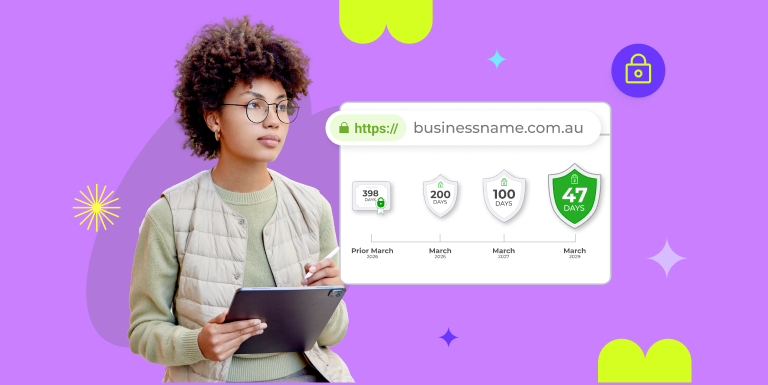
Update DNS records, enable hosting, install SSL, and create 301 redirects from any legacy domains or social profiles. A simple launch page is enough to capture type-in traffic while your full site is built. (Internal link added in CTA above.)
| Also Read: Managed SSL Migration Support Tools for Large Domain Portfolios |
SEO And Content Migration Plan
Transfer top-performing content first, keep URLs identical where possible, and declare canonical tags to avoid duplication. Reclaim backlinks by notifying referring sites of the new URL structure.
Brand Protection And Monitoring
Register obvious typo variants, set up phishing and typosquatting alerts, and file trademarks where appropriate to deter copycats.
Operational Governance
Assign renewal ownership, enable registrar locks, and document transfer policies so domains never lapse due to staff turnover.
New TLDs And When To Consider Non-.Com Options
The explosion of new generic top-level domains (gTLDs) gives buyers alternative paths when the perfect .com is unattainable.
- When new TLDs make sense: product-focused names (studio.design), industry-specific positioning (fintech.ai), or geo targeting (coffee.nyc).
- Risks to weigh: some audiences still default to .com; test recall and trust perceptions before committing.
- Practical advice: pilot paid ads or email campaigns using the new-TLD domain to gauge user response before a full rebrand.
Portfolio Strategy And Exit Planning For Buyers And Investors
Treat domains like any other asset class: establish holding costs, target ROI, and well-defined exit routes.
Holding, Liquidity, And Cost Thresholds
Cap annual renewal spend, define minimum traffic or conversion goals, and decide how long you will hold an unused domain before selling.
Exit Routes And Brokerage
High-value names move more quickly through reputable broker networks that vet buyers and facilitate negotiations.
Governance And Reporting
Track performance metrics—direct traffic, leads, or resale offers—against acquisition cost. Document decisions to avoid emotional attachment, driving prices beyond rational value.
When To Buy From The Domain Aftermarket
Use this four-point checklist to decide whether an aftermarket purchase is the right move today:
- Brand fit: Does the domain perfectly match your name, product, or category?
- SEO upside: Will inherited backlinks or exact-match keywords materially shorten your marketing ramp?
- Legal risk: Are trademark conflicts negligible or manageable?
- Budget alignment: Can you comfortably fund acquisition, renewal, and legal contingencies?
If three or more answers are positive, proceed, using escrow or a broker for any transaction above your organisation’s risk threshold.
Domain Aftermarket: Next Steps for Strategic Acquisition
Premium domains in the domain aftermarket provide measurable marketing and branding advantages when acquired strategically. Follow a disciplined process: evaluate brand fit, SEO potential, legal risk, and budget alignment; secure domains via escrow or brokers; and implement activation steps, including DNS configuration, SSL, and content migration.
Tracking performance metrics and maintaining portfolio governance ensures long-term ROI and avoids overpaying for emotional appeal.
To move from theory to practice, Crazy Domains offers centralised domain management, escrow facilitation, and registrar-lock features to simplify aftermarket purchases. Secure your premium domain today and streamline onboarding while protecting your brand.