
For most entrepreneurs, social media platforms are the holy grail for tapping into new leads, building customer rapport, and being ever-present in the customer’s mind (nothing wrong with that).
But let’s be real: Algorithms are changing the rules and dictating what content gets seen. Naturally, businesses are left wondering:
- Can we still get noticed without relying on social media?
- Are there any alternatives to social media marketing worth exploring?
- How to drive website traffic organically with strategies other than social media?
In this guide, we’ll explore how you can own your audience by taking control of how your visitors find and interact with your brand. Let’s get to it.
How to Drive Website Traffic? 4 Strategies, Tips, and More
The popularity of social media has led entrepreneurs to overlook a crucial aspect: there are multiple paths to driving website traffic.
If you think social platforms like Facebook, Instagram, and TikTok offer quick routes to visibility, think again.
Data suggests that the organic reach on Facebook is reducing:
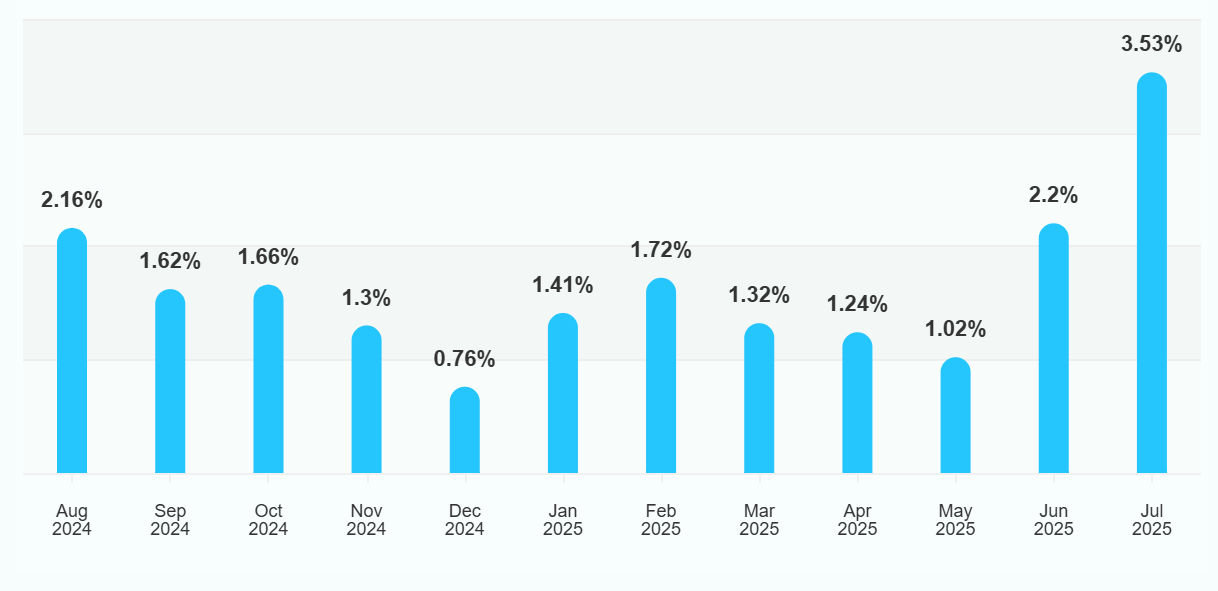
So, how can you turn the “traffic” table in your brand’s favour? Bookmark these four tips:
Strategy #1: Get Your SEO Right
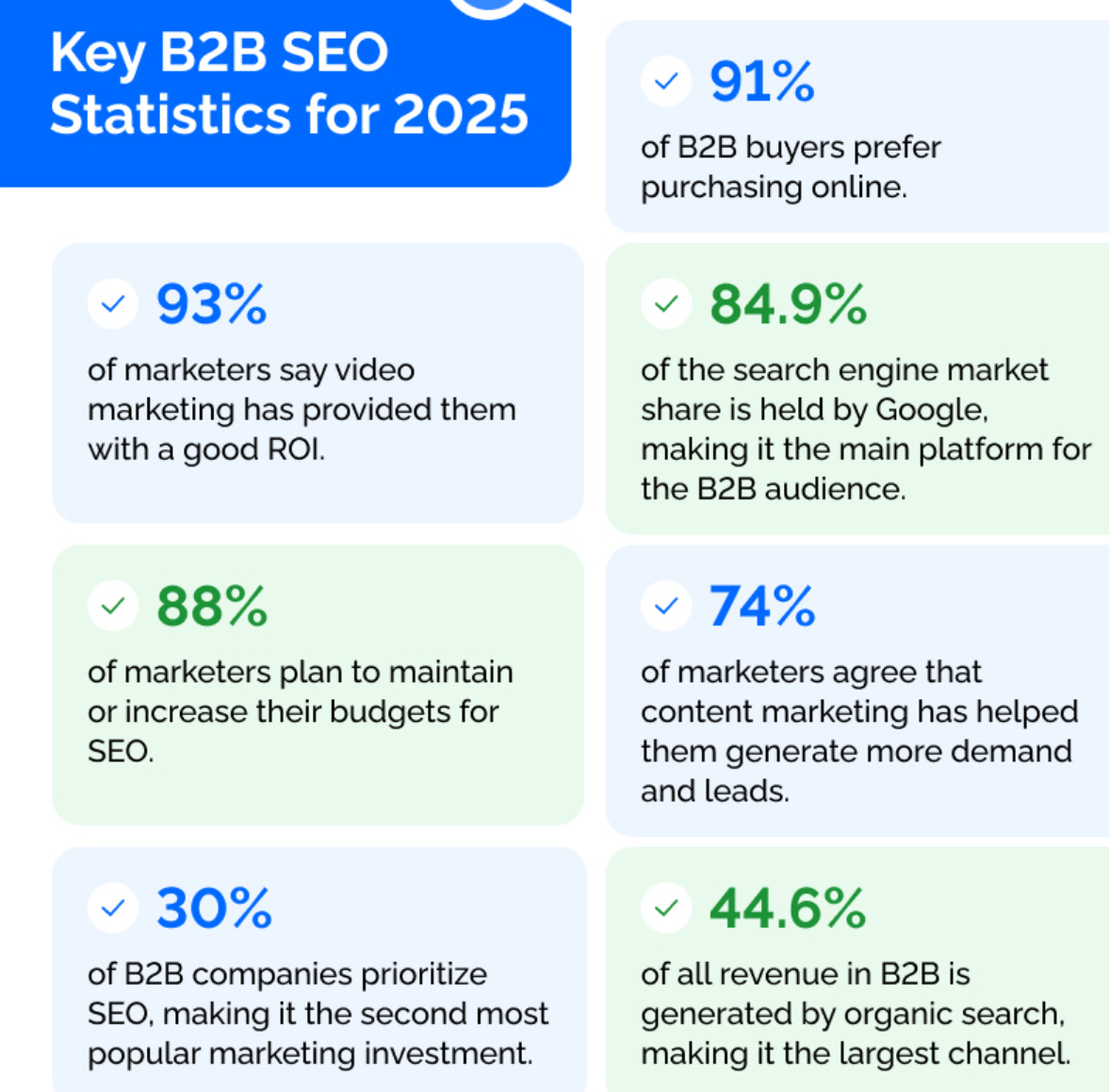
Search Engine Optimisation (SEO) is one of the most reliable ways to bring in organic traffic to your website, as confessed by B2B marketers above.
And with over 5 trillion searches happening on Google each year, it’s clear that people are constantly turning to search engines to find answers (literally).
And contrary to what people believe, SEO doesn’t have to be complicated. That said, it does require some thought, synchronisation, and strategy. You want to build a roadmap where each step gets you closer to making your website visible to the right audience:
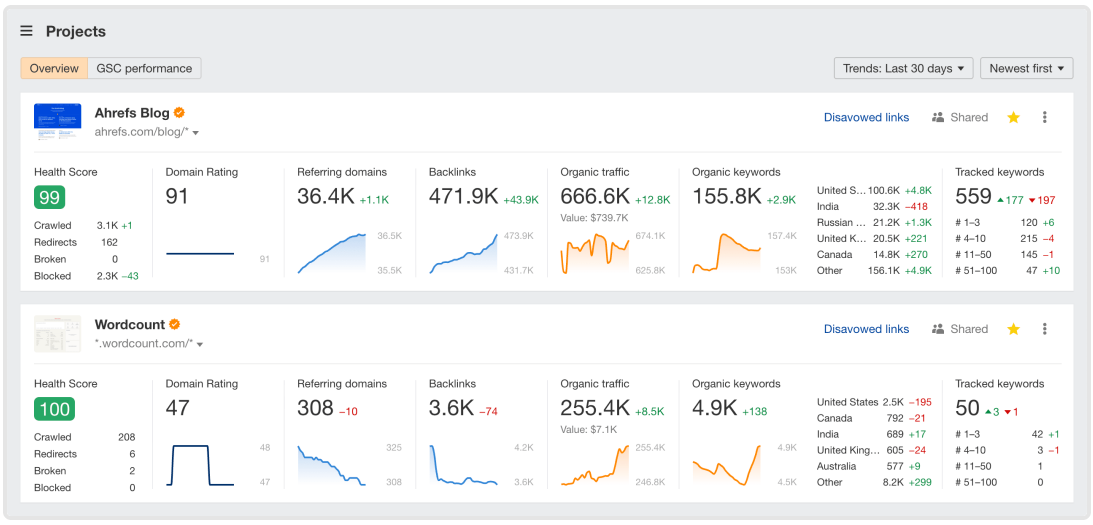
- Start with Keyword Research: To begin, identify the keywords and phrases people use when searching for your brand and its offerings. Make a list of 4-5 high-priority keywords that are highly relevant but not overly competitive. Tools like Google Keyword Planner and Ahrefs will help you with your homework:
2. Optimise Your Website Content: Once you have your keywords, it’s time to integrate them into your site’s content. But don’t just throw them in there; make sure they fit naturally and provide real value.
- Meta Tags: Write clear and enticing title tags and meta descriptions that capture both the keyword and the reader’s attention.
- Headers: Use headers (like H1, H2, etc.) to organize your content:
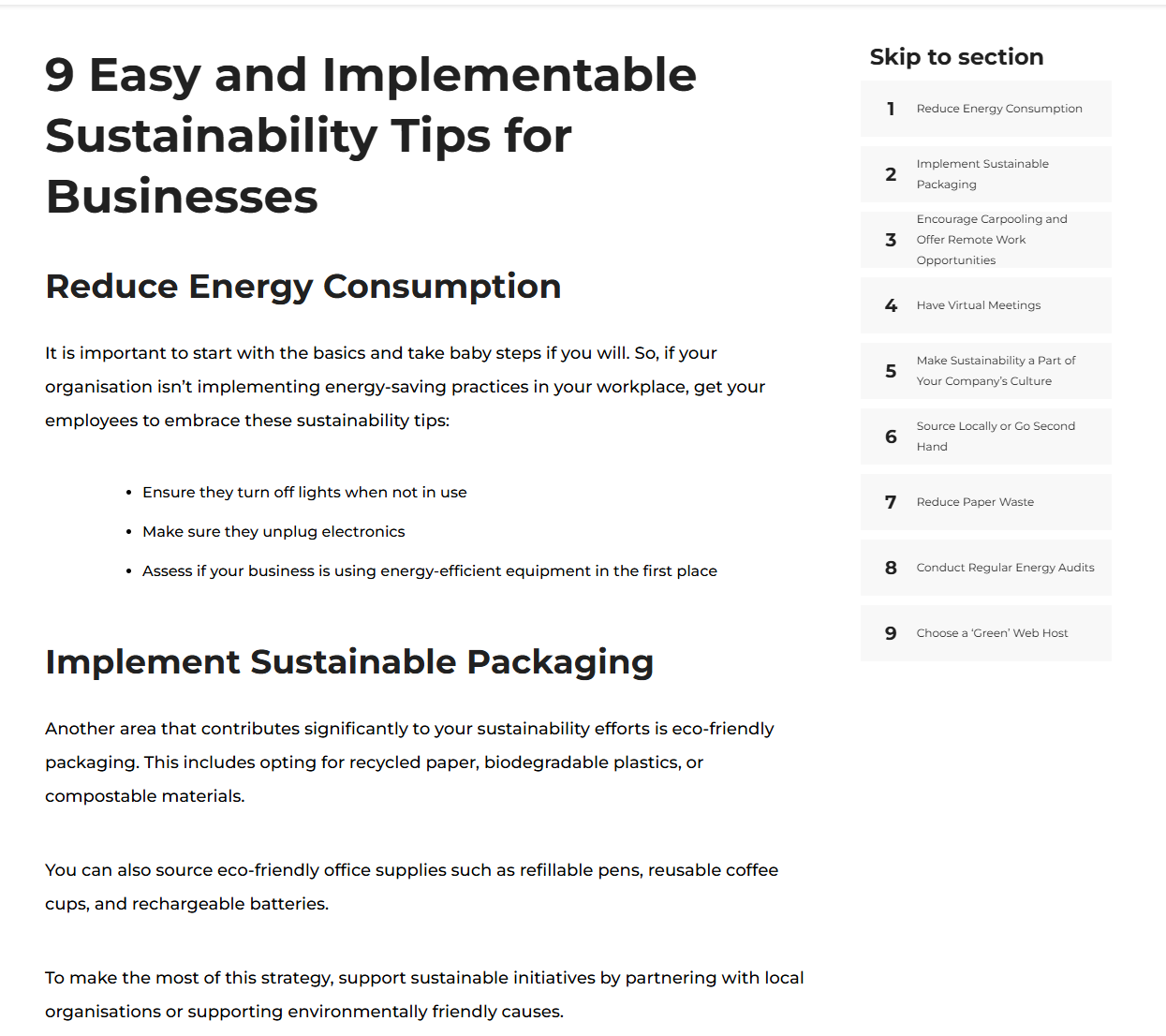
It makes it easier for search engines to understand, and it also helps your readers navigate more easily.
- Content: Instead of stuffing keywords everywhere, focus on creating content that truly answers your audience’s questions. Detailed blog posts, informative guides, and helpful FAQs are the best way to do this.
3. Don’t Overlook Technical SEO: Technical SEO works behind the scenes and ensures that your site is easy for search engines to crawl and index:
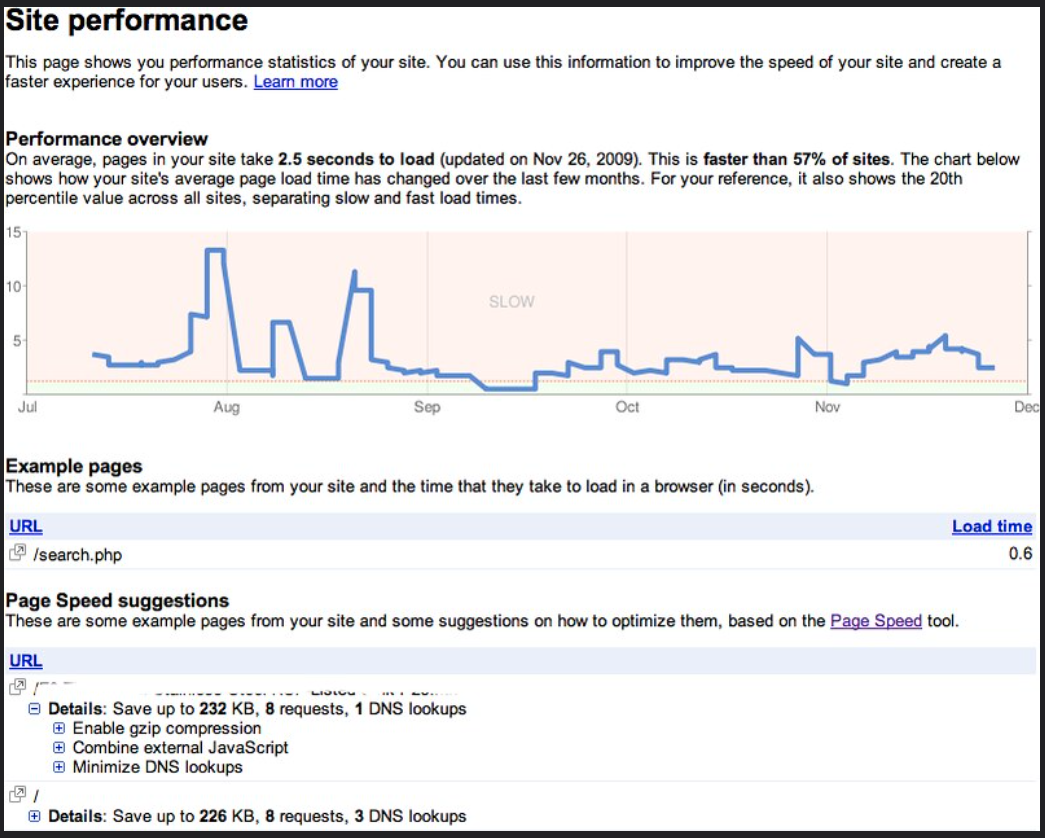
- Site Speed: A slow site can be a major roadblock as Google tends to rank fast-loading sites higher. Our suggestion? Improve your speed by compressing images and use a content delivery network (CDN).
- Mobile Optimisation: Since most people browse on their phones, Google now prioritises mobile-friendly sites. Make sure your website looks great and works smoothly on all devices.
- Simple URLs: Keep your URLs short and descriptive. Avoid complicated strings of numbers or characters, which can confuse both visitors and search engines.
4. Create Meaningful Content:
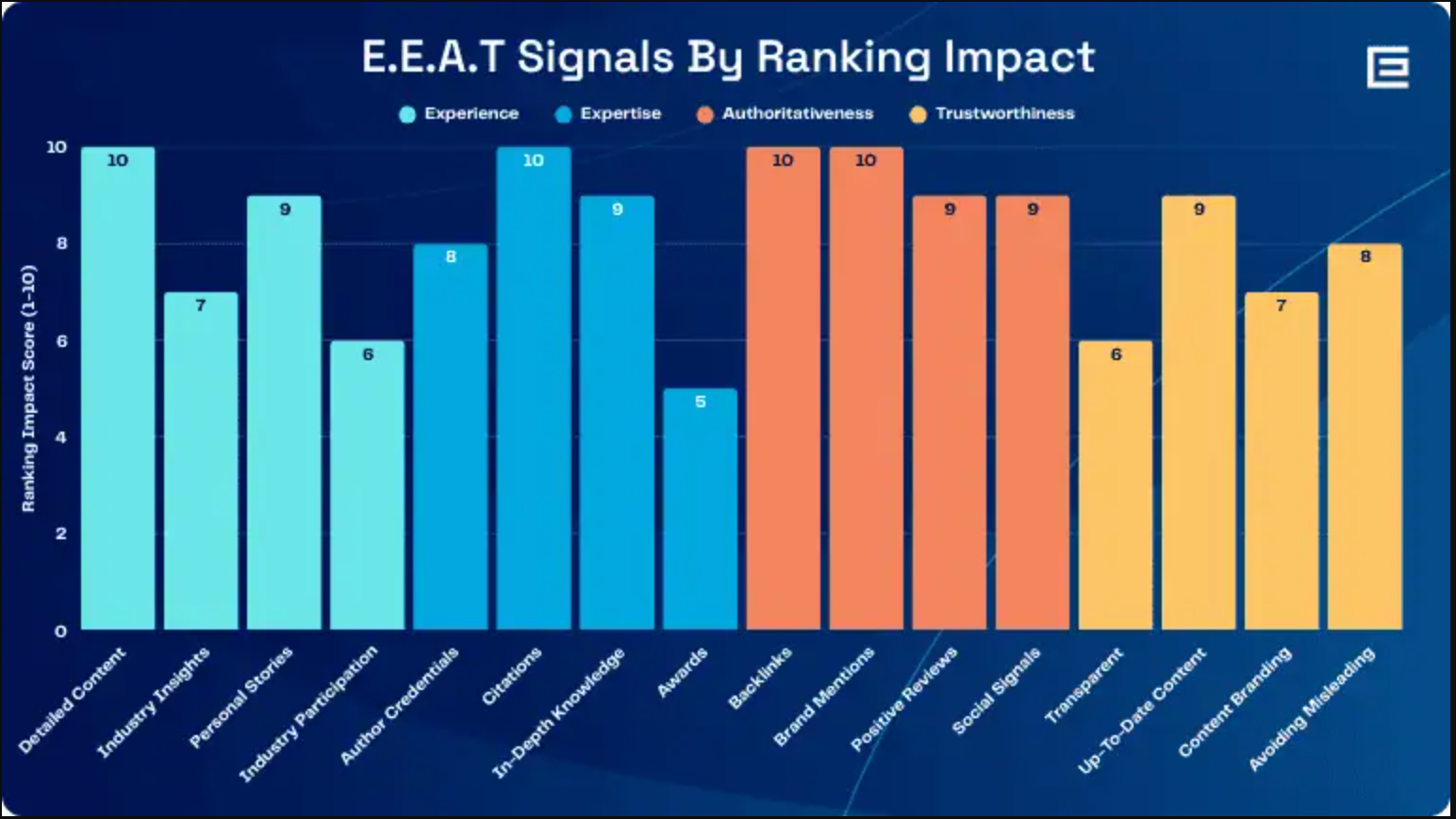
When you hear “quality content,” it’s easy to think of the usual suspects: how-to guides, long blog posts, and industry tips. But in reality, these content types have the potential to drive real, sustained traffic if you approach them with strategy and substance:
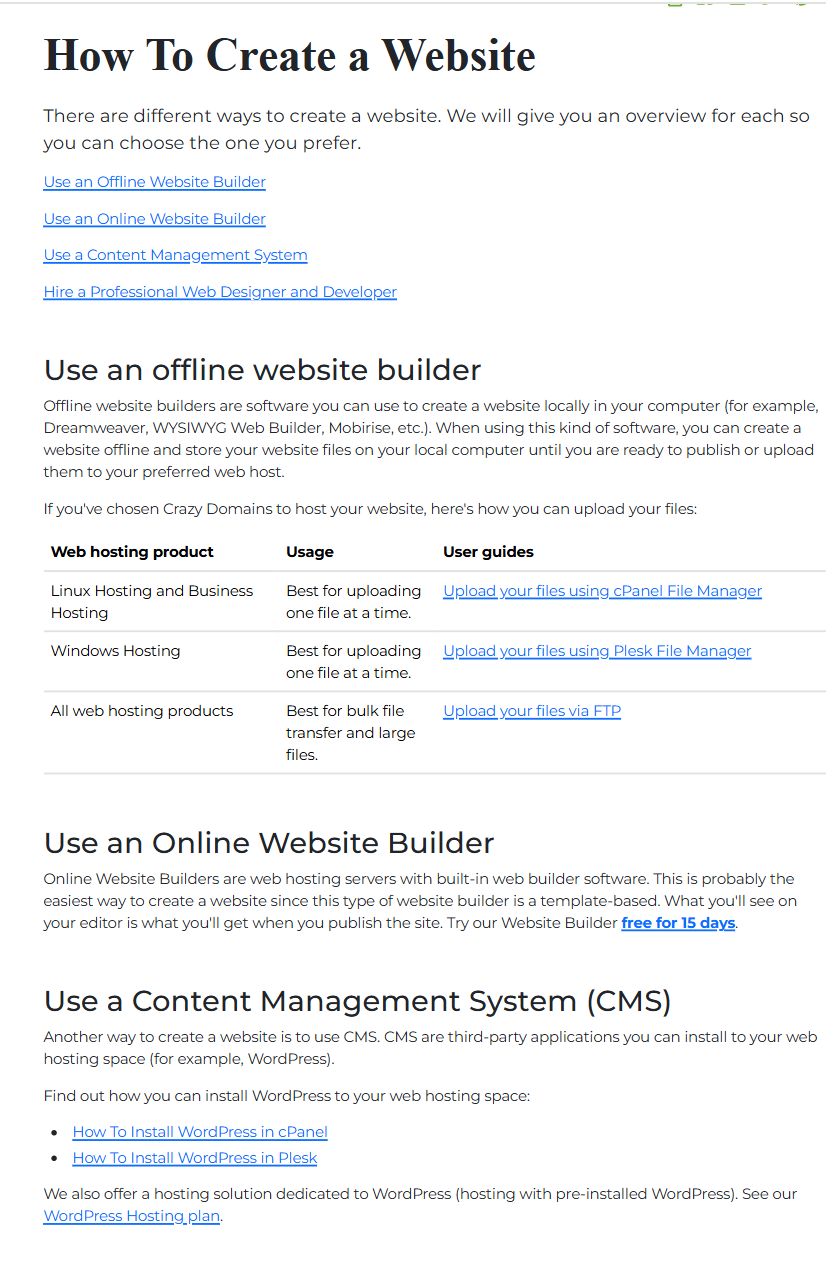
- Write Comprehensive Guides: Instead of a simple “how-to,” create detailed step-by-step guides that break down the topic from beginner to advanced. Include actionable insights and real-world examples to make your content a go-to resource.
- Conduct Industry Analysis: Rather than offering general trends, dig deep into your industry’s past, present, and future. Provide a unique perspective or data-backed insights that your audience can’t get anywhere else.
- Double up on Problem-Solving Content: Identify persistent challenges in your niche. Instead of just talking about solutions, show how businesses and individuals have successfully tackled these problems, with real-world case studies, templates, and resources.
5. Write In-Depth Content: Long-form content has been an SEO favourite for a reason: it allows you to go deep into a subject and answer multiple user queries in one place. But don’t mistake a high word count for value. The key is thoroughness, structure, and relevance:
- Solve Complex Questions: Instead of writing for search volume, target complex questions your audience is genuinely struggling with. Look for areas where your competitors only scratch the surface. For example, if you’re in digital marketing, don’t just explain SEO basics. Instead, explore advanced strategies, case studies, or niche topics such as technical SEO for large-scale websites.
- Add Detailed Case Studies and Data-Backed Insights: Support your points with original research, data, and case studies. If you’re talking about content marketing, show your real-life results. If discussing SEO, share a detailed step-by-step analysis of how you improved rankings for a specific site.
6. Add Backlinks for Long-Term Investment in Authority: The goal isn’t to gather as many backlinks as possible but to build a solid portfolio of relevant, high-quality links that prove your authority in your field:
- Focus on Quality over Quantity: A single backlink from a high-authority website in your niche is far more valuable than dozens of links from low-quality, unrelated sites. Build relationships with authoritative sites in your industry and collaborate on content—whether that’s guest posts, interviews, and joint research projects.
- Create Link-Worthy Content: Instead of asking for links, create content that naturally attracts them. Think in terms of “linkable assets”: high-quality resources like comprehensive industry reports, tools, research papers, and interactive content (like calculators or quizzes) that others will want to cite.
- Drive Strategic Internal Linking: Structure your content so that each section is supported by related internal articles. This builds a connected knowledge base on your site and increases dwell time—another factor Google loves.
- Leverage Digital PR: Go beyond content marketing and use digital PR to secure backlinks. Engage with journalists, influencers, and bloggers who cover your industry. Pitch them unique insights or stories that make your brand stand out, and earn those coveted editorial links.
7. Keep an Eye on User Engagement: Google is all about user experience, so pay attention to how visitors interact with your site. Metrics like bounce rate, time on page, and how long users stay are important indicators. If people spend more time on your page, it signals to Google that your content is engaging and relevant.
The learning: SEO isn’t about quick wins, it’s a long-term game. Focus on providing real value, optimizing your site for both users and search engines, and delivering a seamless experience. When you do this consistently, your site will rank higher and build stronger, more meaningful connections with your audience in the process.
Strategy #2: Tap into First Party Data Marketing
Instead of relying on platforms like social media to reach your audience, first-party data gives you a direct and more reliable connection.
This data comes from interactions on your own site, such as visitor behaviour, email sign-ups, and customer purchases. What makes it so valuable is that it’s yours, and it helps you understand your audience better. By extension, your team will be able to create tailored marketing strategies that resonate.
Here’s how you can put first-party data to work:
- Create Lead Magnets That Attract and Convert: Lead magnets are more than just tools to collect emails; they’re a way to build trust. To make your lead magnets truly effective, they must offer something your audience finds valuable enough to engage with:
- Solve Problems Directly: Offer targeted resources, including in-depth guides, templates, and tools, to address the specific challenges your audience faces. Focus on what will make their lives easier and help them achieve their goals.
- Offer Instant Value: People appreciate content they can immediately use. Whether it’s a free resource or a trial, ensure that what you’re offering is easily accessible and delivers quick value.
Once you collect emails through these magnets, you have the opportunity to nurture relationships and bring people back to your site.
- Personalise Your Campaigns: First-party data enables you to tailor your marketing approach, making every message feel relevant to each person. The idea isn’t just to throw out broad content but to make your communications personal:
- Create Messages that Speak to Specific Needs: If someone downloaded a guide on increasing conversions, follow up with more advanced resources and offers on related products. The more specific you can be, the better.
- Deliver Value Consistently: Send content that meets each person’s buyer journey stage. Loosely translated, this means new visitors might need educational content, while repeat visitors might be ready for exclusive offers.
- Adjust Based on User Action: If someone has engaged with a particular part of your site, send them content that aligns with that interest. Personalisation is about understanding their behaviour and giving them what they’re looking for.
- Segment Your Audience to Increase Relevance: Audience segmentation means nothing if it isn’t meaningful. First-party data allows you to look beyond broad categories and segment based on actual behaviour and preferences:
- Use Behavioural Data: Look at what people do on your site. Have they been browsing a particular category, or perhaps they’re interested in a specific product? This insight can tell you a lot about where they are in their buying journey, and, more importantly, what they need next.
- Build Targeted Campaigns: Once you understand your audience’s behaviours, you can set up campaigns that are highly relevant. For example, someone who abandoned their cart might need a gentle reminder to complete the purchase.
- Refine Segments as You Go: As you gather more data, fine-tune your segments. The more you know about your audience’s habits and needs, the better you can tailor your messaging.
- Track, Test, and Improve: The value of first-party data doesn’t stop after you gather it. It’s an ongoing process of refining your strategy to ensure you’re always connecting with your audience in the most effective way:
-
- Track Campaign Performance: Keep a close eye on which campaigns are performing well. Look at conversion rates, click-through rates, and other key metrics to see what’s working and, of course, what’s not.
- Test Different Approaches: Try testing different content formats, offers, and timing to see what resonates best with your audience.
- Ask for Feedback: Don’t hesitate to get direct input from your audience. Whether it’s through surveys, customer reviews, or simple follow-ups, understanding what your audience thinks can help refine your strategy.
The takeaway: First-party data is a powerful tool because it’s direct, reliable, and specific to your audience. Plus, the beauty of first-party data is that it grows with your business, offering insights that become more valuable as you learn more about your customers’ needs and behaviours.
Strategy #3: Spend Time Working on Your Content Marketing Strategy
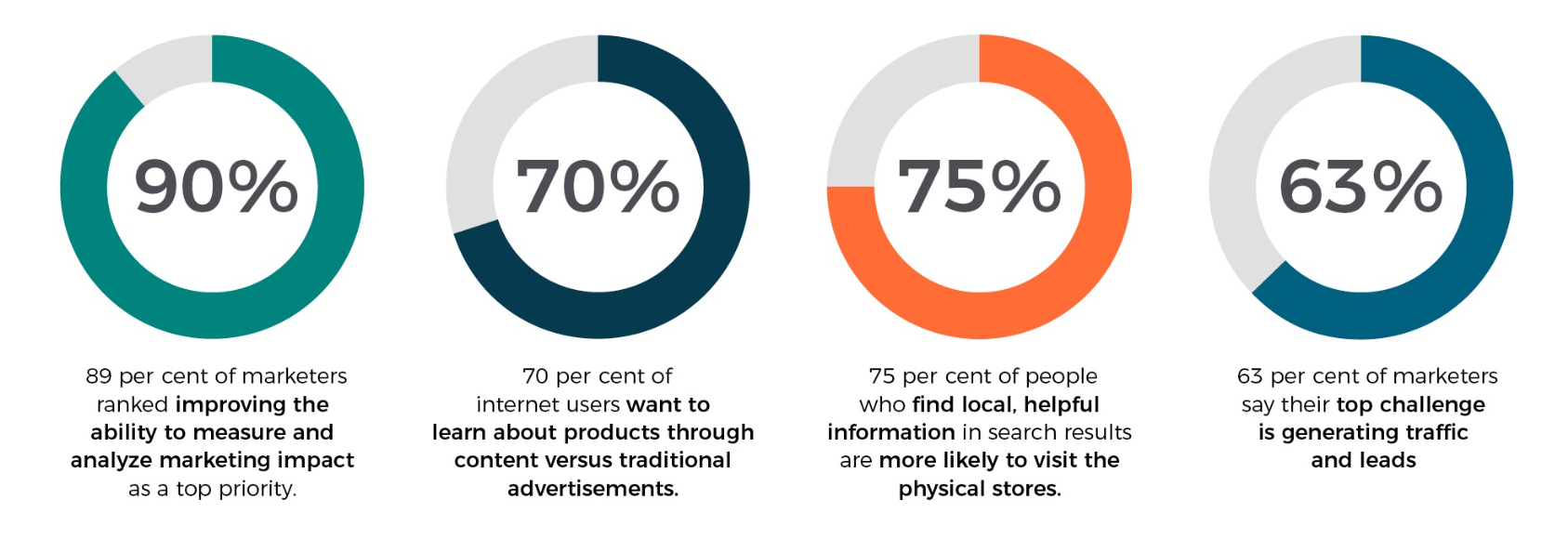
Content marketing seems like an easy job if you view it as publishing blogs and social media posts without intention.
Brands that excel in content marketing understand that their content attracts the right visitors. They write for people who are not just browsing but are looking for solutions, insights, and value.
Often, their goal is to establish the brand as an authority, one that people turn to for reliable, helpful information. This builds trust, fosters customer loyalty, and, most importantly, drives consistent traffic to your website over time. Here’s how to approach it with a strategic mindset:
1. Create Content That Remains Relevant over Time: Evergreen content is a pieces of content that continue to work for you long after it’s been published. They’re not tied to fleeting trends and news but instead stand the test of time and remain contextual to your audience:
- Create Comprehensive Guides and Tutorials: Instead of writing short, one-off articles, invest in long-form content that deeply addresses a topic. These resources should be exhaustive, easy to understand, and include actionable steps that your audience can implement.
- Write Case Studies and Success Stories: Real-world examples help your audience see the tangible impact of what you do. Show how your offering solved a specific problem and achieved measurable results for a client. Case studies are often evergreen because they demonstrate practical value that people return to when they need similar solutions:
- Build Resource Libraries: Build a library of core resources that users can access whenever they need guidance on a topic. This can include checklists, toolkits, templates, and more. These resources will remain relevant and provide continual value.
2. Leverage Blogging and Guest Posts: Blogging is still one of the most effective ways to create fresh, discoverable content that draws in traffic. Post thoughtful, high-quality articles regularly and give your audience reasons to return:
- Blog with Purpose: Don’t just write for the sake of writing. Each post should have a clear goal. Are you addressing a customer pain point or explaining how to use your product? Each article serves a purpose for your audience. Consistent, well-researched blog posts will help establish your brand as a thought leader and keep your website active in search engine results.
- Publish Guest Posts on Industry-Leading Sites: Writing guest posts for respected publications and authoritative blogs within your industry can open up a new channel of traffic and increase your brand’s credibility. You’ll drive new visitors to your site and benefit from the authority of the platform where your content is featured.
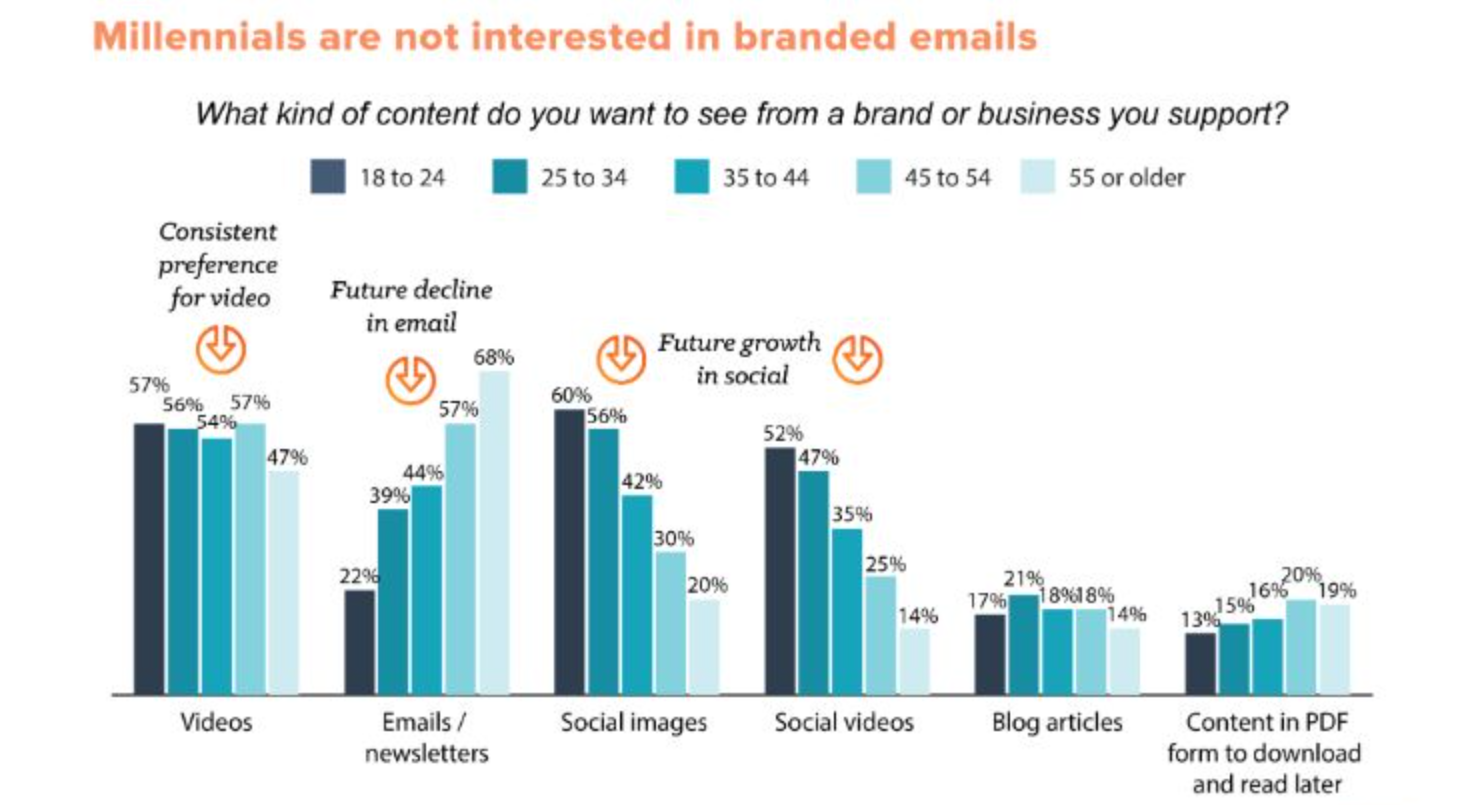
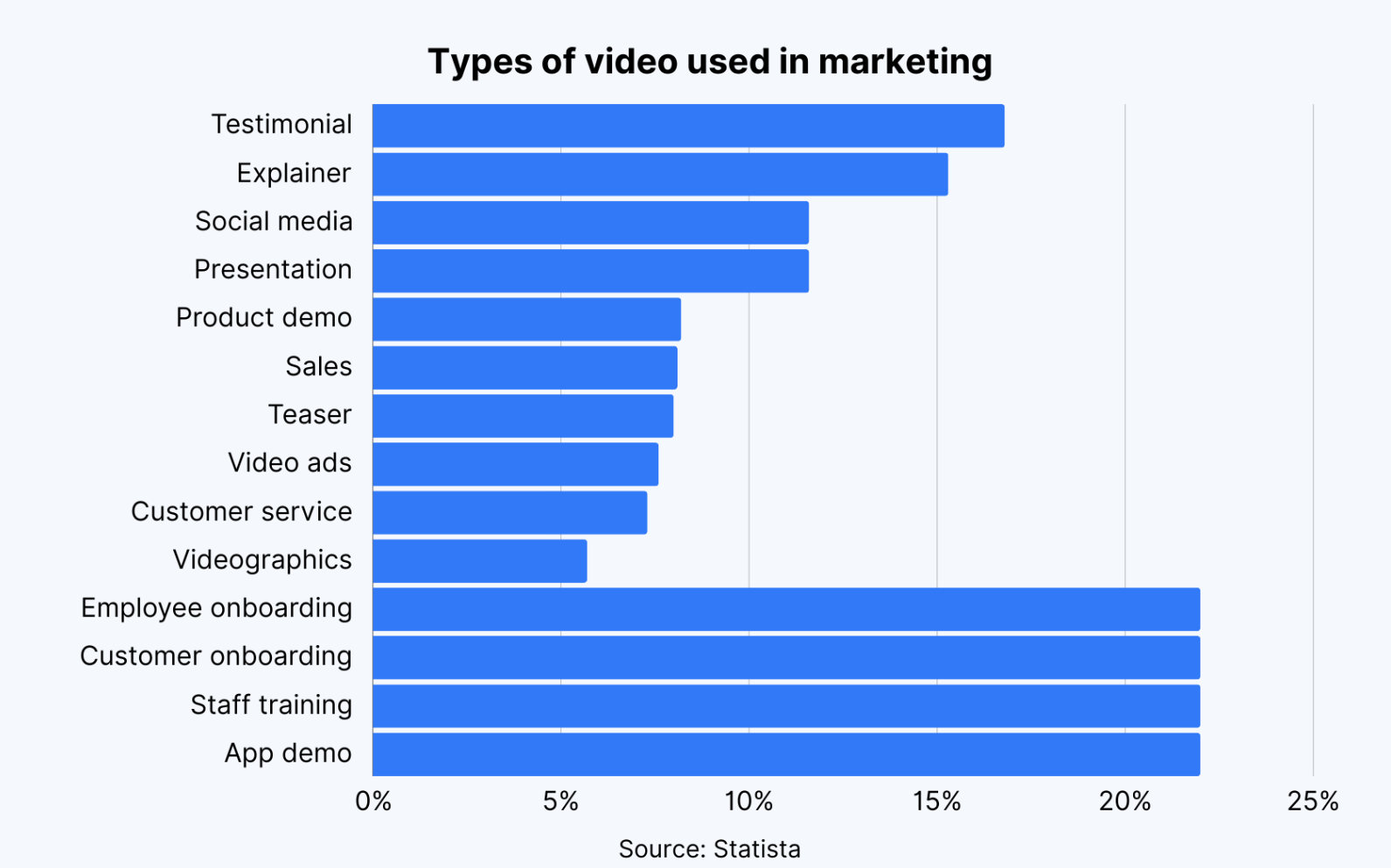
3. Use Video and Multimedia: Video content has a higher engagement rate than text alone. It’s no longer enough to rely on just written articles to engage your audience. Today’s users expect a mix of content types to cater to different preferences:
- Explainer Videos and Tutorials: If your offering requires explanation, consider creating step-by-step tutorial videos. These allow you to showcase your offering in action, and you can break down complex topics into easily digestible video segments.
- Webinars and Live Q&A Sessions: Hosting webinars allows you to engage with your audience in real time. It’s an excellent way to demonstrate your expertise, answer questions, and interact with your community. What’s more, you can repurpose webinar content into various formats such as video clips, summaries, etc..
- Infographics and Data Visualisations: Complex data and detailed processes are often better understood when presented visually and in short:

Infographics break down complicated concepts into easily digestible pieces of information. These are shareable and often drive higher levels of engagement.
4. Focus on User Intent: The true value of content marketing lies in understanding why people search and what they truly need. So, when someone types a query into Google, they’re searching for a solution to a pain point. Instead of creating content that merely matches keywords, dig deeper into what your audience is trying to accomplish: Are they looking to fix an issue, learn something new, or make a decision?
Your content should directly answer these questions, providing actionable insights and clear steps that guide them toward a resolution.
5. Lead Users Through Their Journey: Content should never be a dead end. Every blog, video, and guide should lead the user to the next step in their journey with your brand. This could be:
-
- learning more
- subscribing to your newsletter
- exploring a case study
- purchasing your product
The takeaway: The best content doesn’t just inform; it engages and prompts action. Ensure each piece has a purpose, and that purpose is always guiding your visitor closer to conversion.
Strategy #4: Revisit Your Email Marketing Strategy
Email marketing offers something that social media simply can’t match: direct, unfiltered access to an audience that’s already interested in what you have to offer. It’s a channel where you’re in control, able to tailor your message, offer value, and build trust—all while driving traffic back to your website.
Let’s explore actionable strategies that will make your email campaigns more effective:
1. Personalise the Experience: People don’t want to feel like they’re part of a generic list; they want to feel recognised and valued. When you personalise your emails beyond the basics, you increase engagement and encourage action:
- Segment Wisely: Instead of grouping everyone together, divide your list based on behaviours and interests.
- Behavioural Triggers Work Wonders: Rather than sending blanket emails, set up automated workflows that respond to user actions.
2. Make Every Email Count: For email to drive traffic truly, each email needs to offer more than just a call to action. It should be something the recipient values:
- Deliver Educational Value: Offering free resources like exclusive reports, in-depth guides, and insightful case studies creates a sense of ongoing value.
- Send Exclusive Deals And VIP Content: Reward loyalty with personalised offers, such as early access to sales or exclusive discounts.
3. Use Feedback to Your Advantage: Collecting feedback, testing different approaches, and analysing what works will ensure your emails remain relevant and effective.
- Test What Resonates: Try A/B testing different subject lines, copy, and visuals to understand what content your audience values most.
- Ask for Feedback: Don’t be afraid to ask your subscribers what they want directly. Surveys and even simple polls can give you invaluable insight into what they expect from your emails and what keeps them engaged.
4. Drive Consistency but Never Overload:
Sending emails regularly doesn’t mean you should bombard your subscribers with every small update. The key is to find a balance: show up often enough to stay top of mind, but don’t overwhelm them with too many messages.
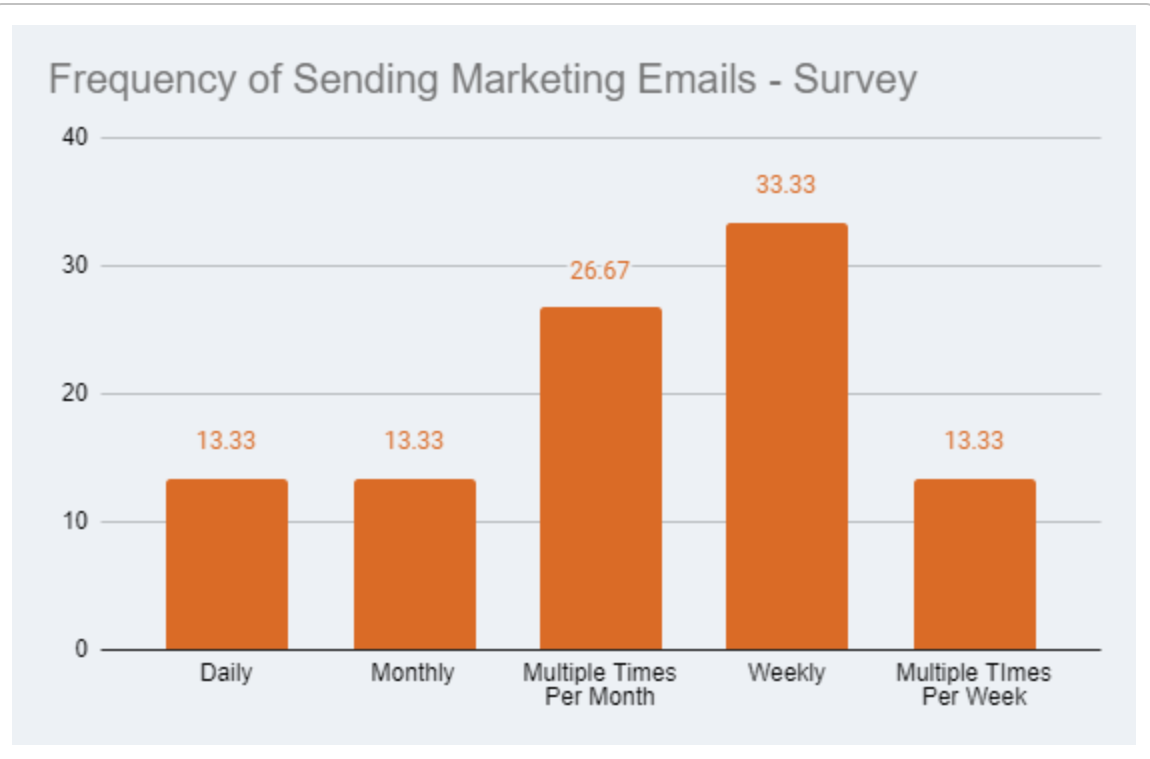
- Maintain a Steady Flow: Aim for consistency in your email cadence. Weekly or bi-weekly emails with a mix of valuable content and exclusive offers can keep your brand top of mind.
- Respect the User’s Time: Every email should give recipients something worth their time in the form of a useful tip, a fresh insight, or a compelling offer.
The takeaway: Create an email marketing strategy that’s grounded in personalisation, continuous optimisation, and providing real value.
Own Your Audience, the Right Way, with Crazy Domains
Don’t get us wrong: social media is still a powerful tool for getting traffic, but relying on it alone isn’t a smart move.
With constant algorithm changes and unpredictable shifts, it’s too risky to place all your eggs in one basket. The real key to long-term success is building a diverse traffic strategy that’s in your control.
And we, at Crazy Domains, can help you do just that. You can improve your SEO strategy, fine-tune your email marketing efforts, and build an authentic content pipeline. And if you’re still working on strengthening your website’s foundation, we can cater to your domain name requirements. Sign up now!