| Startups secure backup domains to mitigate domain-related risks, such as cybersquatting and DNS outages, during critical funding announcements. Implementing secondary DNS, domain variants, and email authentication protocols ensures uninterrupted investor access and brand protection. |
The embargo lifts at 9 a.m. sharp. Journalists click the link in your press kit, investors tap the URL you sent the night before, only to watch it time out while a cybersquatted look-alike domain hijacks the traffic. In the first fifteen seconds of your funding reveal, confidence wobbles.
For fast-growing companies, domain-level preparation is one of the few risk controls that costs less than a team lunch yet shields the entire announcement window. Securing a backup domain keeps investor-facing links stable, protects startup branding, and ensures data-room access survives DNS outages or opportunistic registrations.
The playbook below distils exactly how SMEs, established enterprises, digital agencies, developers, and other tech-savvy professionals can bullet-proof their next raise.
Why Startups Secure Backup Domains: Core Reasons
No public milestone attracts quite as much scrutiny as a funding round. The four drivers below explain why teams lock down backup domains well before the term sheet.
1. Preserve Investor Trust And Professionalism
Broken links, unexpected redirects or generic short URLs can erode credibility during due diligence. Owning a backup domain lets you create clean, memorable investor links while keeping the primary brand untouched. If anything fails, you simply flip DNS or apply a 301 redirect to the standby address and keep the conversation moving.
2. Prevent Cybersquatting, Typosquatting, and Opportunistic Registrations
Publicity triggers domain speculation. Squatters register misspellings or alternate TLDs minutes after a funding rumour surfaces, then monetise confusion or ransom the name back. Pre-emptively reserving these variants is a low-cost insurance policy against brand dilution and phishing.
3. Ensure Availability During High-Traffic Or Provider Outages
DNS providers can and do fail. A secondary DNS service paired with a backup domain eliminates the single point of failure, so investor traffic still resolves even if the primary nameserver stumbles.
4. Maintain Email Deliverability, SEO, and Canonical Authority
A blacklisted domain can push investor emails into spam at the worst possible moment. By warming up an alternate domain with proper DKIM, SPF, and DMARC, teams preserve deliverability and retain control of canonical URLs during pivots or launches.
| Also Read: Email Deliverability: Avoid Spam Folders and Increase Inbox Placement |
Types Of Backup Domains And When To Use Them
Selecting the right mix of domains keeps costs lean while covering the realistic threats you will face.
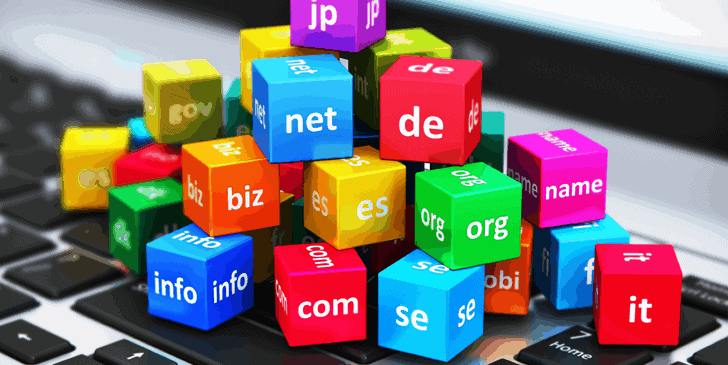
Variant Domains and Common Misspellings
Reserve obvious typos, hyphenated versions, and plural or singular forms of the brand. Point them to a single canonical URL or repurpose them as memorable short links for investor PDFs.
Alternative TLDs and Regional ccTLDs
Investors still default to .com, but .io, .ai, or market-specific .co.uk signals technical focus or geographic commitment. Secure at least one strategic alternative and any regional ccTLDs where you plan to announce news.
Campaign-Scoped Microsite Domains And Short Links
Short-term microsite domains elevate press pages, product demo environments, and tracking-heavy ad campaigns. Because they are disposable, you can fine-tune on-page SEO, enforce strict analytics, and sunset the site without cluttering the main domain.
Parked Redirects, Canonicalised Microsites, And Hold Pages
If the variant’s only job is to funnel traffic, keep it parked with a 301 redirect to the primary site to pass SEO authority. Where unique content is unavoidable, add canonical tags so search engines know which page owns the ranking signal.
DNS Resilience And Security Best Practices
Owning extra domains is only half the battle; they must also resolve reliably and stay under your control.
Secondary DNS, DNS Failover, And Low-TTL Strategy
Operate a secondary DNS provider that receives zone transfers from the primary. Keep TTLs low (300–600 seconds) during the announcement window so a failover takes effect quickly. Run a live failover test well before press outreach.
Registrar Hardening And Ownership Controls
Apply registrar lock, enable WHOIS privacy, activate multi-factor authentication and turn on auto-renewal. Document account credentials and ownership evidence so an exit-stage board handoff or legal review does not stall access.
DNSSEC, Monitoring, And Incident Playbooks
Enable DNSSEC to guard against spoofing. Layer on continuous DNS monitoring that triggers alerts if records change or resolution times spike. Include DNS recovery steps in your incident runbook and rehearse them quarterly.
Email Authentication And Deliverability Safeguards
Configure DKIM, SPF, and DMARC for every domain you intend to use in outreach. Send test campaigns to multiple inbox providers and verify placement before investor contact begins.
Integrating Domain Strategy With PR, Data Rooms, And Backup Plans
Domains are inseparable from the narrative and the files investors need to review.
Mapping Domains To PR and Embargo Workflows
Maintain a spreadsheet of exact URLs featured in press releases, social copy, and email templates. Freeze changes 24–48 hours before going live, and run a final link check across primary and backup domains.
Data-Room Hygiene and Link Resilience
Host sensitive decks and spreadsheets on providers that match your DNS redundancy. Map these links to a domain you control so you can redirect traffic if the data-room vendor has downtime.
Include Domain Checks in Disaster-Recovery Tests
During regular DR drills, verify that both primary and backup domains resolve, that DNS failover triggers correctly, and that data-room assets remain reachable. Align this with the broader 3-2-1 backup principle.
| Also Read: The Role of Reverse DNS in Hosting & Email Delivery |
Practical Step-By-Step Preparation Checklist Before A Funding Round
Immediate (30 days+ out)
- Inventory every domain you own and add variants or regional TLDs to a central register with renewal dates.
- Apply registrar lock, WHOIS privacy, auto-renewal, and MFA on registrar accounts.
Technical (14–7 days out)
- Configure a secondary DNS provider, set TTL to 300 seconds, and perform a failover simulation.
- Enable DNSSEC; implement DNS and uptime monitoring with alerts.
PR & Communications (7–1 days out)
- Audit and test every investor- and media-facing link; enforce a 24–48 hour link freeze.
- Send deliverability tests using DKIM/SPF/DMARC from each outreach domain.
- Back up web assets so content can be restored quickly if hosting fails—see.
Governance (ongoing)
- Maintain a concise domain playbook, store ownership evidence, and schedule quarterly resolution and failover tests.
| Also Read: How Domain Leasing Works and Why Startups Are Using It |
Authoritativeness Signals And What To Reference
Throughout this guide, recommendations draw on technical best practices covering domain reservation, secondary DNS, registrar hardening, and PR coordination. Reputable sources such as IBM’s guidance on primary versus secondary DNS and Underscore VC’s fundraising comms checklists underpin the advice.
Secure Your Backup Domain And Protect Your Fundraising Moment
Securing a backup domain is a low-cost, high-return safeguard that keeps your funding announcement on track, preserves investor confidence, and shields startup branding from avoidable technical or reputational shocks.
By pairing variant registration with DNS redundancy, registrar hardening, and coordinated PR workflows, you remove a predictable point of failure from an already stressful timeline.
Take action today. Register and lock your backup domains with a trusted provider such as Crazy Domains, and schedule a DNS failover test before your next funding round.