
| Schema Markup is a semantic vocabulary of structured data tags (using formats like JSON-LD, Microdata, or RDFa) that annotates website content to help search engines better understand and categorise information. Implemented through Schema.org standards, it enables rich results in SERPs by defining entities (e.g., products, events, organisations) and their relationships. |
In Australia’s crowded digital space, standing out in search results is not easy. However, structured data is a game-changer that most businesses overlook. The catch? Just slapping on schema markup is not enough. You need a schema markup tool that validates against Google’s rules, plus a sharp understanding of what works for Aussie audiences.
Nail it, and you can boost local visibility and trust.
Developing a schema that is syntactically perfect and aligned with Google’s tough guidelines – many of which stretch past standard Schema.org. For Aussie businesses, the real payoff comes when this precision enhances local search presence and strengthens credibility with a homegrown audience.
Let us explore the top schema markup tools that align with Google’s AU guidelines so that you can implement with confidence.
The Significance of Validation
Creating structured data is just the beginning – validation is where the real work happens. Incorrect markup, including syntax errors or failure to follow guidelines, will exclude your pages from rich results.
Systematic abuse could trigger a manual penalty from Google, revoking all your rich result rights entirely.
Google’s Rules vs. Schema.org
Schema.org provides the universal vocabulary, but Google’s guidelines are the ultimate rulebook for rich results. They define a specific subset of schema types, mandatory properties, and content policies that go beyond Schema.org basics. Validation is not just about correctness; it is about compliance with Google’s exacting standards.
Must-Have Validation Tools for Australian Websites
Before publishing schema markup on your Australian site, rigorous testing is non-negotiable. Google provides two essential validation tools every SEO and developer should rely on:
1. Google’s Rich Results Test
This is the go-to tool for verifying if your structured data qualifies for rich results. It includes a definitive answer: Either “Eligible” or “Not Eligible,” and a visual representation of what your page will look like in search. It is the ultimate authority for testing eligibility for Google-specific enhancements, like:
- Product carousels
- FAQ snippets
- Local business listings
2. Schema Markup Validator
While the Rich Results Test focuses on Google’s rich result criteria, this tool validates your markup against the full Schema.org vocabulary. It ensures your structured data is technically flawless and universally compliant, even for schema types that do not trigger rich snippets.
Top Schema Markup Tools for the Australian Market
Using a dedicated schema markup tool streamlines the process of creating schema markup. The best tools simplify code creation and provide direct validation links to Google’s tools for a seamless workflow.
1. Merkle’s Schema Markup Tool
An industry go-to trusted product, Merkle offers an easy-to-use tool for generating JSON-LD for LocalBusiness, Product, FAQPage, Review, and many more. Its assisted model is precise, and you can confirm results immediately using Google Rich Results Test and Schema Validator, ideal for rapid and reliable integration.
2. Saijo George’s JSON-LD Generator
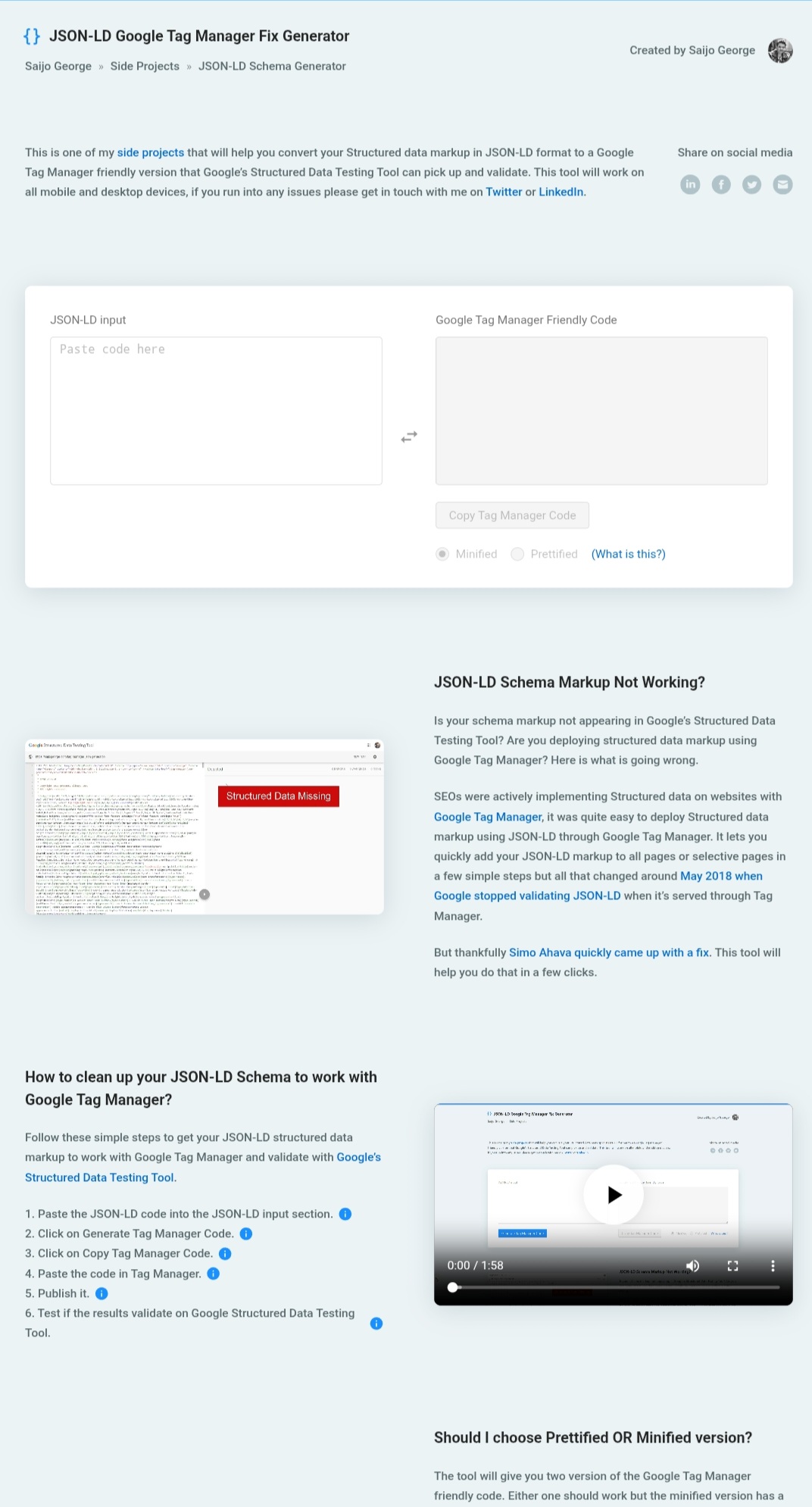
Developed by an SEO expert, this tool excels at generating FAQ pages and Article schema. Its streamlined design cuts through complexity, delivering clean code with built-in validation links. Ideal for quick, no-nonsense markup.
3. Treo’s Schema Generator
Built by performance specialists, Treo’s minimalist tool focuses on efficiency. Generate JSON-LD for multiple schema types, then copy, paste, and validate; no distractions, just results. Ideal for teams that prioritise speed and simplicity.
4. Schema.dev
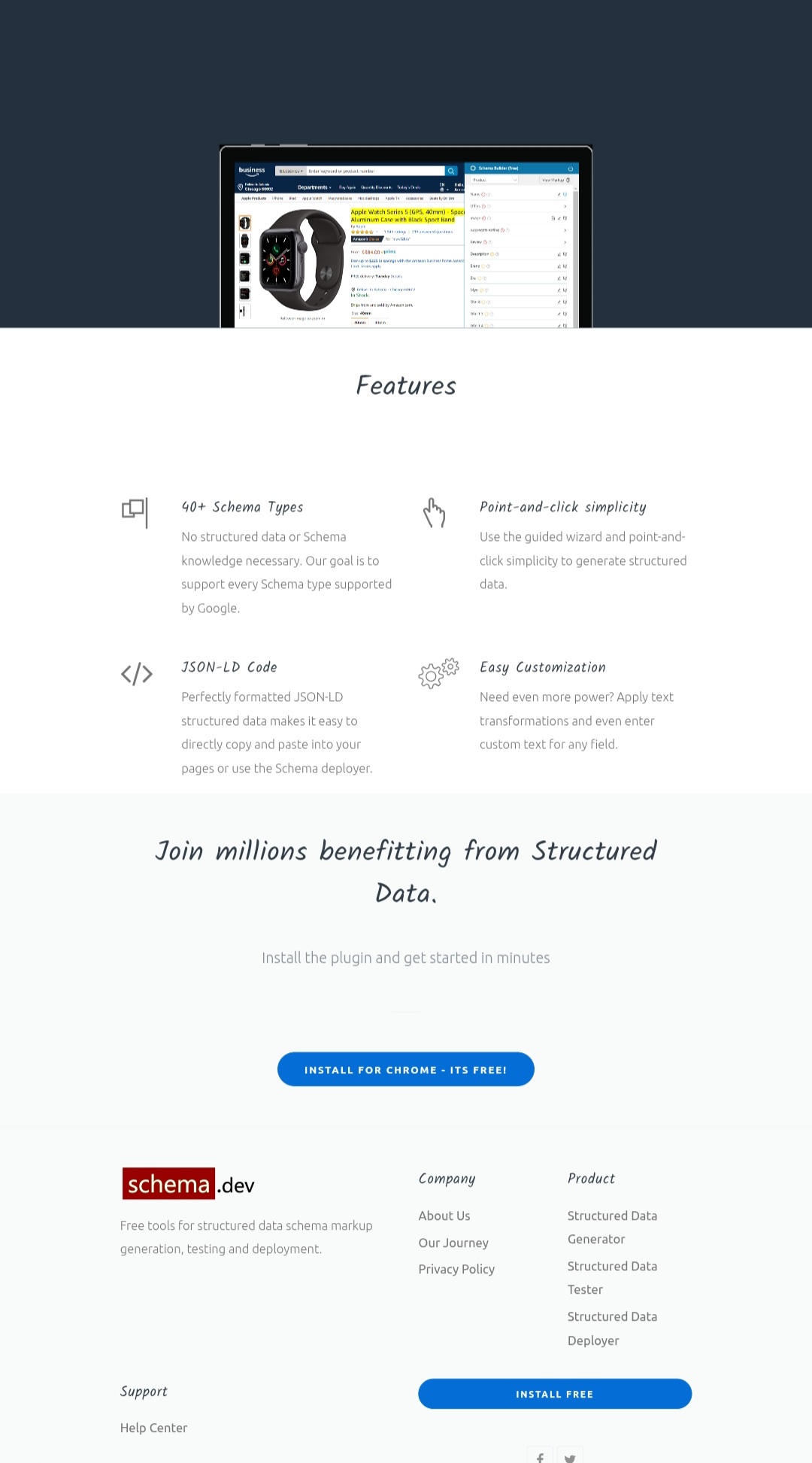
This standout tool lets you build and preview markup in real time. Its interactive interface is beginner-friendly, showing exactly how your structured data will render before testing with Google.
| Also Read: Supercharge Your SEO: Expert Tips for Adding Schema Markup in WordPress |
Optimising Structured Data for the Australian Market
While global schema markup tools work everywhere, Australian businesses need local precision to maximise visibility. Here is how to tailor your markup for the Aussie market:
1. LocalBusiness Schema: The Foundation for Aussie SMBs
For brick-and-mortar stores and service providers, `LocalBusiness` markup is essential. Ensure your schema markup tool includes:
- Address: Australian postcode + state abbreviation (e.g., `VIC 3000`)
- Phone: Local format (`03 1234 5678` or international `+61 3 1234 5678`)
- Trading Hours: Accurate regular + public holiday hours
- Geo Coordinates: Latitude/longitude for precise local search placement
| Pro Tip: Use `priceRange` (e.g.,`”$$”`) to help searchers gauge affordability. |
2. Currency & Language: AUD & English First
For `Product`/`Offer` schema:
- Currency: Always `AUD` (ISO 4217 format)
- Language: English content matching on-page text
3. Local Credibility Boosters
While not official schema properties, these add trust signals:
- ABN: Add via `additionalType` or custom property
- Industry Awards: Use `award` property if applicable
4. eCommerce Essentials
For product-rich snippets:
- Required Fields: `name`, `image`, `offers` (with AUD pricing)
- Reviews: `aggregateRating` + individual `Review` for star ratings (up to +35% CTR)
The Final Workflow for Australian Businesses
For Aussie businesses, structured data is not a “set and forget” task. It is an ongoing process. Follow this battle-tested workflow to maximise your rich snippet potential:
1. Schema Generation
Utilise a reputable schema markup tool to produce JSON-LD markup
Verify inclusion of Australia-specific elements:
- Currency (AUD) in financial schema types
- Geocoded addresses with proper state abbreviations
- Locally formatted contact information
2. Rigorous Validation
Submit generated markup to dual verification:
- Google Rich Results Test for rich snippet eligibility confirmation
- Schema Markup Validator for comprehensive technical compliance
- Resolve all identified errors before deployment
3. Controlled Deployment
- Implement validated markup on target pages
- Ensure synchronous rendering with page content
- Maintain version control for future updates
4. Ongoing Monitoring & Maintenance
Utilise Google Search Console tools:
- URL Inspection for immediate post-deployment verification
- Enhancement Reports for longitudinal performance tracking
Establish quarterly review cycles to address:
- Schema drift from content updates
- Emerging Google guideline changes
Use a Schema Markup Tool to Get a Competitive Edge
The Australian digital marketplace demands structured data excellence. Organisations that adopt a disciplined validation process achieve three critical outcomes: error-free technical execution, guaranteed rich result placement, and dominant positioning in hyper-competitive local search rankings. Ready to put this into practice?
As Australia’s premier digital solutions provider, Crazy Domains delivers blazing-fast Australian hosting, genuine .com.au domains that customers trust, and smart SEO tools to keep your search advantage sharp – everything you need to dominate local search.
Claim your edge today. Explore Crazy Domains’ hosting packages and make your mark in local search.