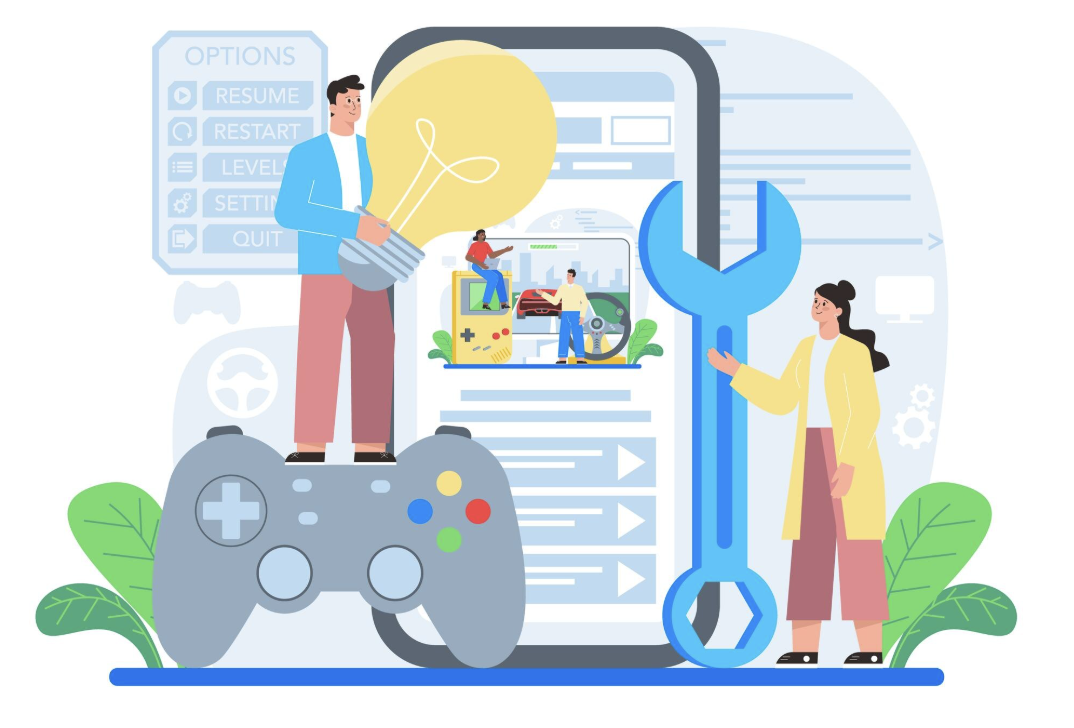
| Visitors respond to clear goals, progress cues and recognition that spark motivation and momentum. Thoughtful mechanics, social dynamics and adaptive challenges influence activation, exploration patterns and long-term return behaviour. |
A visitor arrives, skims a page, then slips away before taking any meaningful action. For many organisations, that pattern drains marketing budgets and stalls growth. Gamification offers a remedy: by weaving game-design elements into everyday interfaces, websites can turn fleeting clicks into purposeful journeys that keep users coming back.
Small and medium enterprises, established brands, digital agencies and developers all stand to gain. When mechanics such as progress bars, micro-challenges and social recognition are selected with care, they guide users through onboarding, nudge feature adoption and cultivate loyalty in ways traditional nudges rarely match.
This blog shows how to choose, implement and measure those elements for gamification websites so they drive genuine value, not gimmicks, for both business and user.
Why Gamification Websites Work: Psychology and Business Outcomes
Gamification resonates because it taps into four universal motivations: mastery (the thrill of improving), autonomy (freedom to choose), relatedness (connection with others) and recognition (feeling valued). When a website surfaces clear goals, immediate feedback and visible progress, users experience competence and momentum rather than passive consumption.
Aligning these intrinsic drivers with business metrics converts motivation into results. Progress indicators increase time on site by signalling “just one more step”; badges marking a first purchase boost activation; community milestones inspire referrals and social shares, all of which strengthen retention cohorts.
Crucially, ethical design preserves user agency, avoids dark-pattern manipulation and respects privacy standards, ensuring long-term trust, an essential pillar for any user retention strategies.
| Also Read: Why Builders With Native Analytics Are Becoming the Future of DIY Websites |
High-Impact Gamification Mechanics for Websites
Start with a single, measurable metric that maps to a specific KPI. Scale only after proving its impact.
Progress Indicators, Levels and Streaks
Progress bars, levels and daily streak counters visualise how far a user has come and what lies ahead. During sign-up or checkout flows, each completed step fills a bar or unlocks a new level, reducing abandonment and reinforcing commitment.
Measure success by tracking step-completion rates and comparing retention between users who see progress cues and those who do not.
Points, Badges and Recognition
Micro-rewards such as points and badges celebrate valuable actions, profile completion, first comment, repeat purchase, without flooding users with discounts.
Badges that signify competence or unlock new abilities encourage exploration and status signalling. Monitor activation lift and repeat-visit frequency to gauge effectiveness.
Contextual Micro-Challenges and Quests
Short, optional quests: “Add two items to your wish-list to unlock a surprise”, prompt desired behaviour while remaining low-friction.
Keep challenges relevant to the current context and visibly tied to user value. A/B test difficulty and reward type, then compare long-term retention against control groups.
Social Mechanics: Leaderboards, Shared Achievements and Community
Where community fits the brand voice, leaderboards, shared milestones and cooperative goals amplify engagement through social proof.
Newcomers can feel daunted by global leaderboards, so consider segmented rankings or collaborative targets that celebrate collective progress. Track social referrals, content shares and cohort retention for users exposed to these features.
Use Cases: Onboarding, Loyalty and Personalisation
Mapping mechanics to concrete business objectives turns theory into revenue.
Gamified Onboarding
Stepwise progress bars, milestone badges and guided micro-tasks shorten the path to first value, lifting activation and feature discovery. Instrument a single onboarding flow, then measure activation rates before iterating.
Loyalty and Tiered Progression Systems
Tiered systems assign visible status and unlock perks, exclusive features, early access or priority support, cultivating repeat purchase behaviour and higher customer lifetime value. Ensure progress persists across web, mobile and email for consistency.
Personalised Micro-Interactions for Feature Adoption
Adaptive challenges and preference-driven rewards guide users toward under-utilised features. Match challenge difficulty to user ability and be transparent about data use to maintain trust. Evaluate success through cohort analysis of feature adoption and retention.
| Also Read: The Rise of Purpose-Built Templates: Website Builders for Every Industry |
Implementation: Start Small, Measure and Iterate Gamification Websites
A phased approach limits risk and clarifies attribution.
Define KPIs and the Test Funnel
Select one or two KPIs, such as activation, seven-day retention, or checkout conversion, and focus on a single high-volume funnel. Formulate clear hypotheses before development.
Select Mechanics and Low-Cost Implementation Options
Lightweight elements such as progress bars, badges or pop-up micro-tasks can often be added via plug-ins or feature flags, enabling rapid experiments without deep back-end work.
Analytics, Cohorts and Attribution
Instrument events for exposure, engagement and conversion. Use cohort analysis to separate habit-forming impact from short-term spikes, and stagger roll-outs to validate causality.
Avoid Common Pitfalls: Overcomplexity, Mobile Constraints and Ethics
Overloaded interfaces, misaligned rewards and mobile-unfriendly layouts torpedo outcomes. Keep mechanics accessible, conduct regular privacy checks and design for all abilities.
Design and Technical Considerations for Gamification Websites
Effective gamification feels seamless, not bolted on.
Mobile-First, Minimal Interfaces
On small screens, place unobtrusive indicators, use large tappable targets and provide instant feedback. Test on real devices to ensure performance.
| Also Read: Mobile-First Web Design: Why It’s No Longer Optional |
UX Copy, Feedback Loops and Reward Framing
Concise, benefit-oriented copy clarifies what the user gains and why. Immediate visual or haptic feedback reinforces momentum and curbs confusion.
Integration With Existing Systems and Web Design Principles
Gamification data, like points, badges, and quest states, must sync with CRM, analytics and authentication layers so progress persists across sessions. Align visual treatment with broader web-design guidelines to maintain brand consistency; a solid foundation in core design principles prevents style drift and usability clashes.
| Pro Tip: Stagger reward visibility: reveal the next reward only after a small action. This progressive disclosure sparks curiosity and micro-commitments, raising perceived value and sustaining long-term engagement without inflating reward costs. |
Gamification Websites: Next Steps to Boost Engagement
Gamification websites excel when mechanics align with intrinsic motivations, roll out in manageable modules and are tracked against clear KPIs. Begin by selecting one high-volume funnel, implement a single mechanic, instrument events thoroughly and monitor retention cohorts before expanding.
Crazy Domains provides fast, secure hosting, reliable domains and flexible website tools that support interactive features and seamless user experiences. Build stronger engagement foundations with scalable infrastructure tailored to growing businesses.
Ready to transform passive visits into engaged journeys? Launch your first gamified experiment with Crazy Domains today!