|
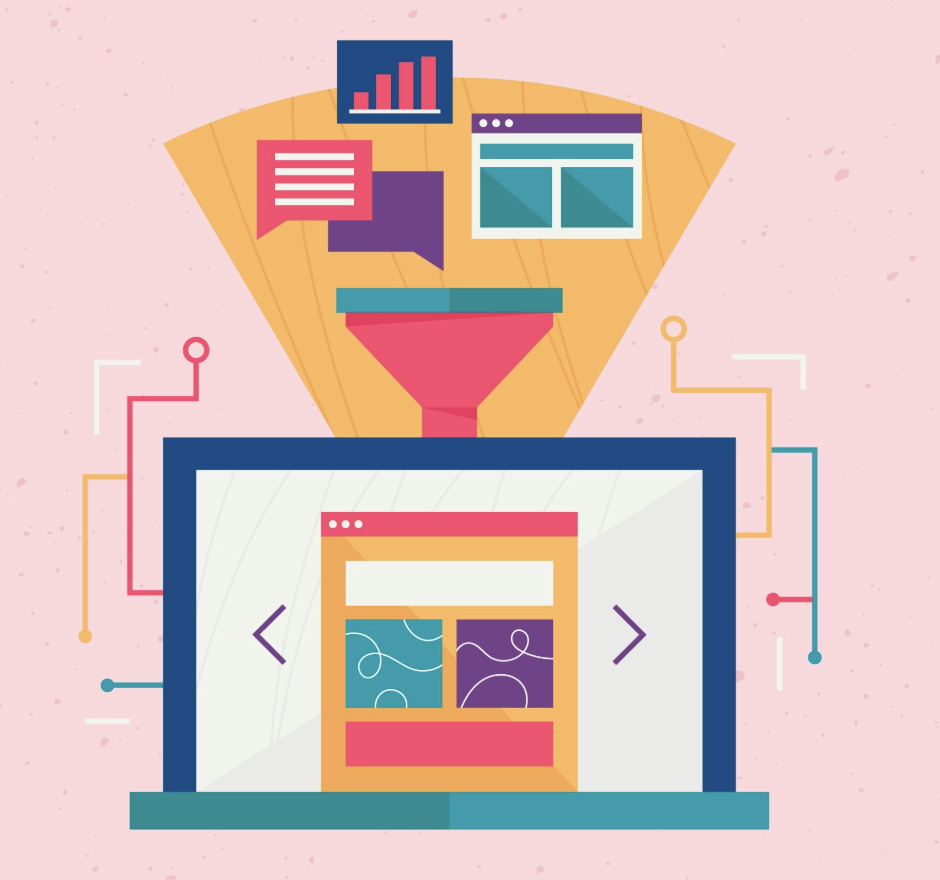
Overbuilt tools often slow experimentation and fragment data ownership. Lean sequences built from standard pages and forms keep control centralised, reduce friction at each step and allow rapid iteration as user behaviour reveals where intent strengthens or fades. |
Endless plug-ins, ballooning subscriptions and weeks of build time can turn a simple conversion idea into a budget-draining marathon.
A pages-only funnel strips away that friction. By linking a focused landing page to a short form, a purposeful thank-you page and a light nurture sequence, you keep all branding on-site, iterate in hours and own every datapoint.
This guide is for businesses that want to spin up lead capture sequences or straightforward sales funnels without hiring specialist funnel builders. Read on for the practical, page-level blueprint.
Why Choose Pages and Forms for Your Funnel
Launching a funnel with standard web pages and native forms gets you live faster, keeps costs low and preserves SEO advantages that walled-garden funnel builders often sacrifice. You control the design, metadata and tracking codes without waiting for third-party approvals.
Because each step is a regular page, A/B testing becomes as easy as duplicating and tweaking one URL, letting you refine headlines or form length in real time. For teams chasing short sales cycles, product demos or lead magnets, this simplicity wins.
However, map the journey deliberately so you do not scatter indexable pages that cannibalise keywords. Treat every page as a purposeful step, and you can create a funnel website that converts, ranks and scales.
| Also Read: The Surge of Interactive Landing Pages for Lead Generation |
Plan Your Funnel Sequence: Pages, Forms and Goal Mapping
A clear plan turns scattered pages into a seamless lead capture sequence.
Define Funnel Objective and Conversion Event
Decide on one conversion goal: newsletter sign-up, demo booking or direct sale. List only the data you need to reach that goal. If an email address alone unlocks the next step, save role or company size for later.
Typical Pages in a Pages-Only Funnel (Sequence Blueprint)
- Landing/Traffic Page: Single promise, single CTA. The headline focuses on benefit, not product specs.
- Short Form Page or Embedded Section: Minimal fields keep friction low. Explain exactly what happens after submission.
- Thank-You Page: Confirm the action and outline next steps. Add one clear follow-up offer.
- Follow-Up Delivery or Upsell Page (Optional): Deliver the promised asset or introduce a low-risk upgrade.
Map the Lead Capture Sequence and User Flow
Sketch each step and label potential drop-offs. Note the data captured at each page and plan progressive asks: email now, qualification later. Pre-name events such as page_view_landing or form_submit_top to keep analytics tidy.
Integration & Data Flow Plan
Route form submissions through a webhook to your email automation or CRM. Start simple: confirmation email and asset delivery fire instantly. If a lead hits a score threshold, notify a human for follow-up.
| Also Read: How to Validate Your Business Idea Using Landing Pages |
Design High-Converting Pages (Copy, Layout, UX)
At this stage, structure meets persuasion.
Single-Purpose Page Principles
One headline, one promise, one CTA. Removing extra links prevents choice paralysis and keeps eye-tracking focused on the action button.
Copy and Visuals That Move Visitors Down Funnel
Lead with benefits, not features. Add a micro-testimonial or security badge for trust. Microcopy under the form should answer “What happens next?” to reduce anxiety.
Mobile First and Accessibility
Design for thumbs: large tap targets, short paragraphs and fast-loading images. Alt text and sufficient colour contrast widen your audience and comply with accessibility guidelines.
SEO Considerations for Pages-Only Funnels
Keep landing pages indexable; use canonical tags if you duplicate them for ads. Optimise meta titles and descriptions to draw organic clicks rather than hiding pages behind noindex.
Practical CTA ideas: “Get the checklist”, “Book my demo, “Start my free trial”.
Design Purposeful Forms and Progressive Capture
Forms are the heartbeat of your funnel data.
Keep Top-of-Funnel Forms Short
First contact should request only the essentials, usually name and email, to maximise submissions.
Progressive Capture Strategies
Ask for richer details after trust grows. For example:
- Stage 1 – Email only
- Stage 2 (thank-you page) – Company size
- Stage 3 (nurture email) – Budget range
Qualification Logic and Routing
Assign scores to answers. High-intent forms can trigger instant sales alerts while lower scores move into automated nurture tracks.
Privacy, Consent and Data Hygiene
Display a plain-language consent statement and store only the data you truly need. Keep integrations lean to avoid duplicate records and GDPR headaches.
Optimise Thank-You Pages for Post-Conversion Value
Your visitor just said “yes”. Keep that momentum.
Treat Thank-You Pages As Immediate Next-Step Opportunities
Confirm the action, state when the promised asset arrives and cut down on support emails.
One Clear Next Action, Not Many
Offer a single logical step: schedule a call, download a premium guide or join a community. Too many buttons dilute focus.
Low-Friction Upsells and Social Proof
Consider a limited-time upgrade or referral ask with minimal fields to maintain momentum.
Measurement Hooks on Thank-You Pages
Track clicks on the next-step CTA and feed those events into your attribution model for LTV analysis.
Measurement, Automation and When to Add Human Follow-Up
Great funnels improve because they measure relentlessly.
Essential Event Tracking and KPIs
Monitor page views, form submits, thank-you page clicks and email engagement. Key metrics include overall funnel conversion rate and time-to-first-response.
Simple Automation Playbook
Send the promised asset immediately, follow with two value-driven emails and apply tags or scores that signal intent. Automation handles scale; humans handle nuance.
When to Escalate to Human Outreach
Define triggers such as repeat visits to pricing pages or a lead score above a set threshold. A personal email or call at that moment can double close rates.
Iteration and A/B Testing
Change one variable at a time: headline, hero image or form length. Learn quickly and roll winners across campaigns.
Handover Documentation
Maintain a living admin checklist of integration points and test credentials so teammates can update flows without breaking anything.
Implementation Checklist (Minimum Viable Build)
- Create a landing page with one CTA.
- Add a minimal form and connect to automation.
- Build a purposeful thank-you page with one next action.
- Set up a confirmation email, plus tag and score rules.
- Instrument event tracking for core funnel events.
| Pro Tip: Create a hidden admin checklist page listing integration endpoints and test credentials for easy audits. |
Build Faster Funnels Without Losing Control
A pages-only approach delivers faster launches, lower costs and full brand control. Start with one focused page, a short form, a purposeful thank-you page and lightweight automation. Measure obsessively, learn from behaviour and expand step by step.
Crazy Domains can help you launch fast, reliable funnel pages with hosting that’s built for speed, uptime and easy iteration. Our tools keep your pages, forms and tracking stable as you test, scale and optimise without extra platforms.
Why rent a funnel when you can host one? Get started with Crazy Domains today!